
 Pokemon Card Scanner
 Live Wallpapers Unlimited





What is an Analog Watch Movement? Your Essential Guide to Timekeeping in 2025
Introduction: The Enduring Heartbeat of Analog Watches
In a world dominated by smart devices and digital displays, the analog watch holds a special place. It offers a blend of tradition, craftsmanship, and timeless style. But have you ever stopped to wonder what truly powers these classic timepieces? Understanding what is an analog watch movement is key to appreciating the engineering marvel on your wrist.
The movement is the engine of any watch. It's the complex mechanism that keeps time and drives the hands around the dial. For analog watches, this internal system determines everything from accuracy to how you interact with your timepiece. Let's dive deep into this fascinating world and explore the heart of analog timekeeping.
What is an Analog Watch Movement? The Core Concept
At its simplest, what is an analog watch movement? It's the internal mechanism responsible for measuring time and displaying it through hands on a dial. Unlike digital watches that show numbers, analog watches use physical hands that sweep across a face marked with hours, minutes, and sometimes seconds. This traditional display method is what defines an analog watch.
Every analog watch, regardless of its style or price, relies on a movement to function. This movement is a miniature machine, often comprising hundreds of tiny parts working in perfect harmony. It’s a testament to human ingenuity and precision engineering. Without a movement, an analog watch is just a decorative bracelet.
How Analog Watches Display Time
The display of an analog watch is its most recognizable feature. You see hands moving around a circular dial. The hour hand, minute hand, and often a second hand, rotate continuously. This continuous motion provides a visual representation of time passing. It's a stark contrast to the segmented, numerical display of digital watches.
The movement ensures these hands move accurately. It translates the internal timekeeping impulses into the rotational energy needed to advance the hands. This is why the quality and type of movement directly impact the watch's precision. A well-made movement means a reliable timekeeper.
The Main Types of Analog Watch Movements
When you ask what is an analog watch movement, you're usually referring to one of two primary categories: mechanical or quartz. Each type has a distinct way of keeping time and offers a unique experience to the wearer. There are also some interesting hybrid options emerging in the market today.
Mechanical Movements
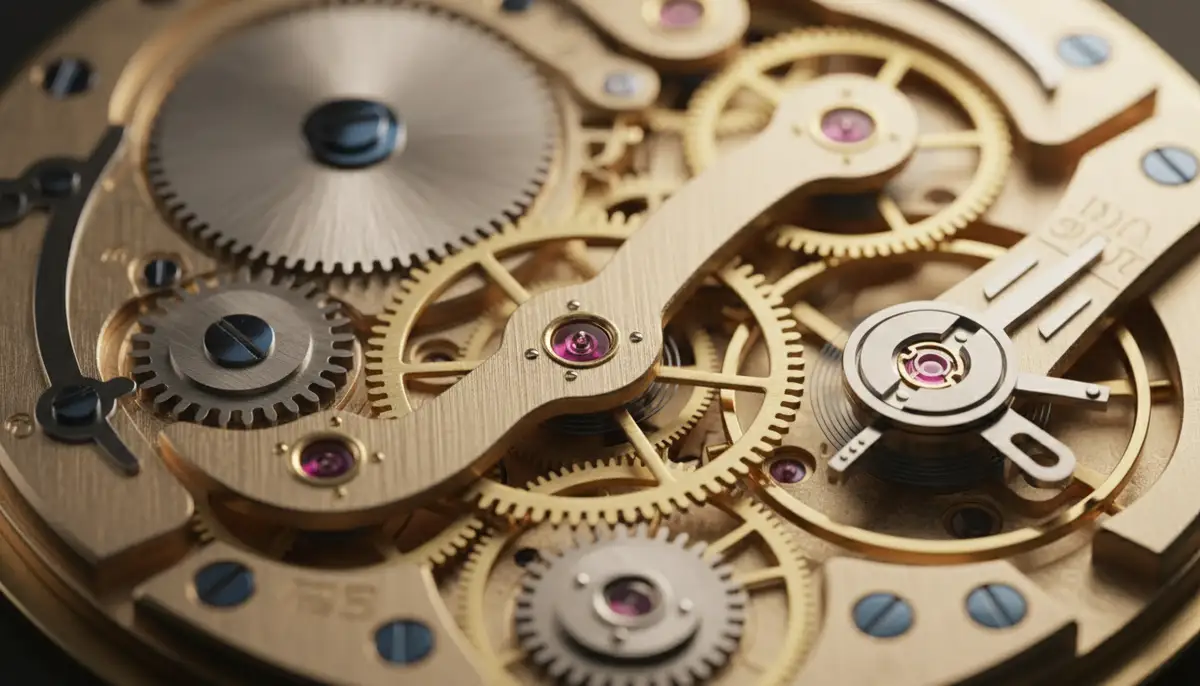
Mechanical movements are the traditional heart of watchmaking. They operate without a battery or any electronic components. Instead, they rely on a complex system of springs, gears, and levers. This intricate dance of tiny parts is powered purely by kinetic energy. Many watch enthusiasts cherish mechanical movements for their craftsmanship and historical significance.
A manual-wind movement requires you to wind the crown regularly, typically once a day. This action tightens the mainspring, which then slowly unwinds, providing power to the watch. It's a ritual that connects the wearer directly to their timepiece. Many vintage watches feature this type of movement.
Automatic movements are a marvel of convenience. They wind themselves using the natural motion of your wrist. An oscillating weight, or rotor, inside the watch spins as you move. This spinning motion winds the mainspring, keeping the watch powered as long as you wear it regularly. If left unworn, it will eventually stop and need to be set and wound again.
Quartz Movements
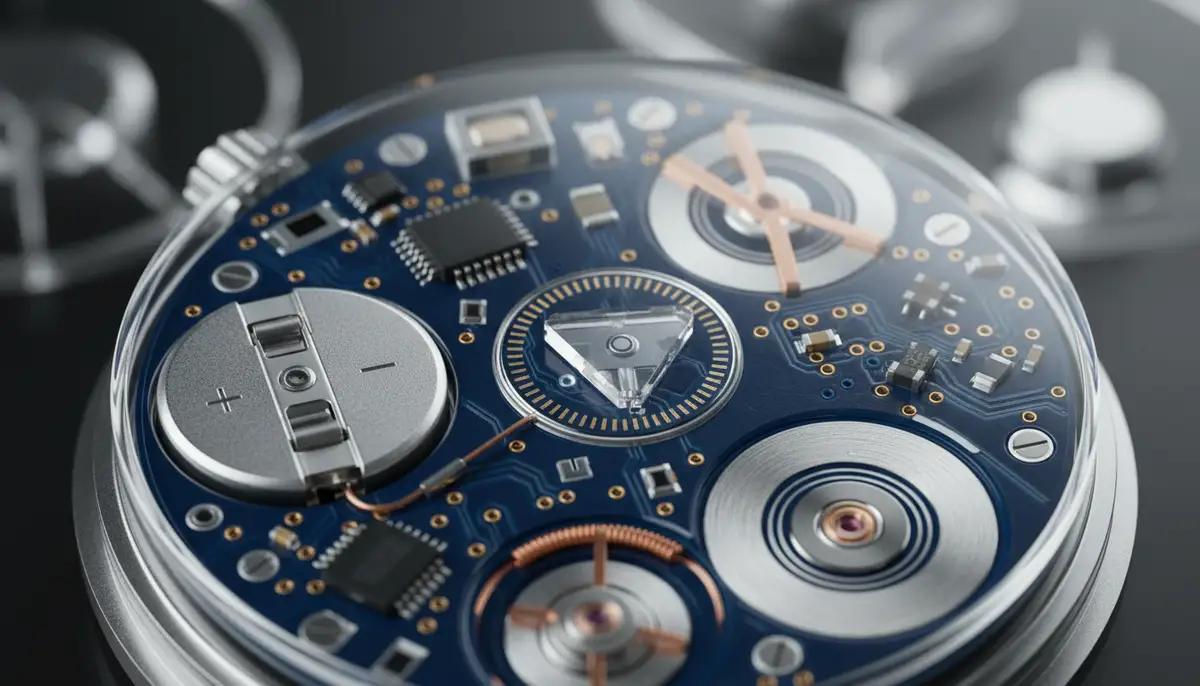
Quartz movements represent a revolution in watchmaking. Introduced in the late 1960s, they brought unprecedented accuracy and affordability to the market. So, what is an analog watch movement when it's quartz? It's a battery-powered movement that uses an electrical current to vibrate a small quartz crystal at a precise frequency.
This consistent vibration is then converted into electrical pulses by a microchip. These pulses drive a tiny stepping motor, which in turn moves the watch hands. Quartz watches are known for their reliability and minimal maintenance requirements. They often have a distinct 'tick-tock' sound as the second hand moves in individual steps.
Most common quartz watches use a small battery as their power source. This battery typically lasts for several years before needing replacement. These movements are incredibly accurate and require little attention beyond occasional battery changes.
A more eco-friendly variant, solar-powered quartz watches, feature a tiny solar panel hidden beneath the dial. This panel converts light into electrical energy, charging a rechargeable battery. This eliminates the need for frequent battery replacements, offering even greater convenience and sustainability.
Hybrid Movements
Beyond the two main categories, some innovative hybrid movements combine elements of both mechanical and quartz technology. One notable example is the Spring Drive movement by Seiko, which uses a mainspring like a mechanical watch but regulates time with an electronic quartz oscillator. Another is Meca-Quartz, which features a quartz base for timekeeping but a mechanical module for chronograph functions. These hybrids offer unique blends of precision and traditional aesthetics.
Diving Deeper into Mechanical Movements: The Art of Horology
Mechanical watch movements are often considered the pinnacle of traditional watchmaking. They embody centuries of horological innovation and artistic skill. Understanding what is an analog watch movement in this context means appreciating the intricate craftsmanship involved. Each component plays a vital role in the delicate dance of timekeeping.
Key Components of a Mechanical Movement
A mechanical movement is a complex ecosystem of tiny parts. Here are some of the most crucial elements you'll find inside:
- The Mainspring: This is the power source, a coiled ribbon of metal stored in a barrel. When wound, it stores energy that slowly releases to power the watch.
- The Gear Train: A series of interconnected gears that transmit power from the mainspring to the escapement and ultimately to the watch hands, regulating their speed.
- The Escapement: Often called the 'heartbeat' of the watch, the escapement controls the release of energy from the mainspring, allowing the balance wheel to oscillate at a precise rate. It's crucial for accuracy.
- The Balance Wheel: This wheel swings back and forth, similar to a pendulum, regulating the timing of the watch. Its consistent oscillations are critical for precision.
- The Hairspring: A tiny, delicate spring attached to the balance wheel, it controls the speed of the balance wheel's oscillations, ensuring consistent timekeeping.
- Jewels: Small synthetic rubies or sapphires used as bearings for moving parts. They reduce friction, minimize wear, and extend the movement's lifespan.
The assembly of these components requires immense skill and precision. Master watchmakers dedicate years to perfecting their craft, ensuring every gear meshes perfectly and every spring is tensioned just right. This dedication is part of the allure when considering what is an an analog watch movement.
Pros and Cons of Mechanical Movements
| Aspect | Pros of Mechanical Movements | Cons of Mechanical Movements |
|---|---|---|
| Craftsmanship | Highly valued for intricate engineering and artistry. Often visible through exhibition case backs. | Complex construction leads to higher manufacturing costs and potential for more delicate parts. |
| Longevity | Can last for generations with proper care and regular servicing. Repairable rather than disposable. | Requires periodic servicing (every 3-7 years) which can be expensive and time-consuming. |
| Accuracy | Good accuracy, but typically less precise than quartz. Can gain or lose a few seconds per day. | More susceptible to external factors like temperature, magnetism, and gravity, affecting accuracy. |
| Power Source | No battery needed (manual or automatic winding). Environmentally friendly in terms of battery waste. | Requires regular winding (manual) or consistent wear (automatic) to stay powered. Limited power reserve. |
| Value | Often retains or increases in value over time, especially from renowned brands. Strong emotional and historical appeal. | Generally more expensive to purchase initially due to complex manufacturing and heritage. |
For many, the connection to a finely crafted mechanical timepiece is incomparable. You can learn more about the intricacies of these traditional timekeepers by exploring resources like WatchGecko's insights into mechanical analogue watches.
Understanding Quartz Movements: Precision and Practicality
Quartz movements offer a different set of advantages, primarily focusing on precision, affordability, and convenience. When you consider what is an analog watch movement that prioritizes practicality, quartz often comes to mind. They have made reliable timekeeping accessible to a much broader audience.
The Precision of Quartz
The secret to quartz accuracy lies in the quartz crystal. When an electric current passes through it, the crystal vibrates at an incredibly stable and high frequency, typically 32,768 times per second. This consistent vibration acts as a highly accurate time base. It's far more stable than the mechanical oscillations of a balance wheel.
This stability translates directly into superior accuracy. Most quartz watches are accurate to within a few seconds per month, whereas mechanical watches typically vary by a few seconds per day. This makes quartz watches incredibly reliable for everyday timekeeping.
Key Components of a Quartz Movement
A quartz movement is a marvel of miniaturized electronics. Here are its primary components:
- The Battery: The power source that provides the electrical current to the circuit and the quartz crystal.
- The Quartz Crystal: A small, precisely cut piece of quartz that oscillates at a fixed frequency when an electric current is applied.
- The Integrated Circuit (IC) / Microchip: This tiny computer chip divides the crystal's high-frequency vibrations into one-second electrical pulses.
- The Stepping Motor: A miniature electric motor that receives the one-second pulses from the IC and converts them into mechanical energy to move the watch hands.
- The Gear Train: A simple set of gears that transmits the motor's motion to the hour, minute, and second hands.
These components are mass-produced with high precision, allowing for consistent quality and lower manufacturing costs. This efficiency is a major reason why quartz watches are so popular globally. It's a different kind of engineering than mechanical, but equally impressive in its own right.
Pros and Cons of Quartz Movements
| Aspect | Pros of Quartz Movements | Cons of Quartz Movements |
|---|---|---|
| Accuracy | Extremely accurate, typically within seconds per month. Less susceptible to external factors. | Lacks the 'soul' or intricate mechanical artistry of traditional movements for some enthusiasts. |
| Maintenance | Requires minimal maintenance, usually just battery replacement every few years. | Relies on a battery, which needs periodic replacement. Can be less 'repairable' in the long term. |
| Durability | Generally more shock-resistant due to fewer moving parts and simpler construction. | Can be seen as less prestigious or valuable by collectors compared to mechanical watches. |
| Cost | Significantly more affordable to purchase and maintain. Excellent value for money. | Often has a less smooth second hand sweep (a 'tick' rather than a 'sweep'), which some prefer. |
| Environmental Impact | Battery disposal is a concern, though solar quartz mitigates this. Less energy-intensive to produce. | The electronic components can be harder to recycle than purely mechanical parts. |
What is an Analog Watch Movement: Mechanical vs. Quartz Showdown
The debate between mechanical and quartz movements is a long-standing one among watch aficionados. Both offer distinct advantages, and the 'better' choice truly depends on your priorities. If you're weighing your options, our comprehensive guide to analog watch vs quartz provides an even deeper dive into this comparison.
Mechanical watches appeal to those who appreciate heritage, craftsmanship, and the engineering marvel of a self-powered machine. They offer a connection to centuries of horological tradition. Quartz watches, however, excel in modern convenience, superior accuracy, and affordability. They are perfect for those who simply want a reliable and precise timekeeping instrument without the complexities of mechanical ownership. Understanding what is an analog watch movement means knowing these key differences.
Why Does the Movement Matter to You?
You might be thinking, 'As long as it tells time, why should I care what is an analog watch movement?' The truth is, the type of movement significantly impacts your experience with the watch. It affects everything from its accuracy and maintenance to its perceived value and emotional appeal.
Accuracy and Reliability
If pinpoint accuracy is your top priority, a quartz movement is generally the winner. Its electronic precision means you rarely need to adjust the time. Mechanical watches, while accurate, will typically run a few seconds fast or slow each day. For some, this slight variation is part of their charm, a reminder of the watch's 'living' nature.
Maintenance and Longevity
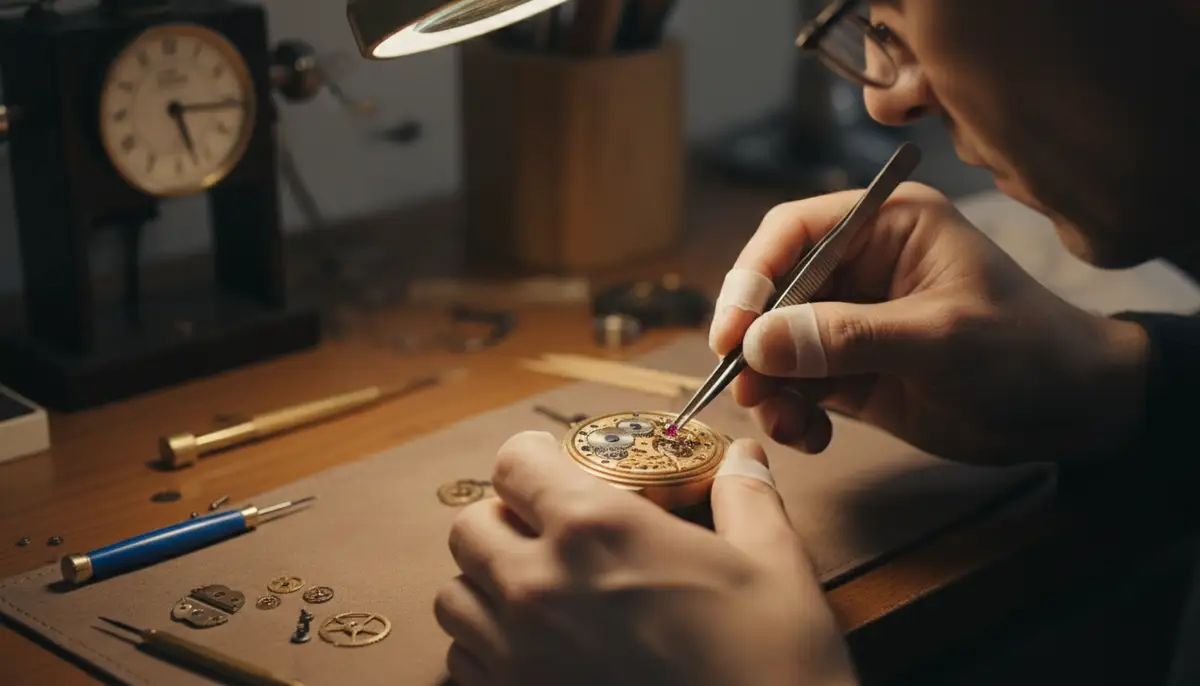
Quartz watches are low-maintenance. You'll primarily need to replace the battery every few years. Mechanical watches, however, require periodic servicing, much like a car. This involves cleaning, lubricating, and adjusting the intricate parts. While more involved, proper servicing ensures a mechanical watch can last for many decades, even generations.
Cost and Value
Generally, quartz watches are more affordable to purchase and maintain. Their mass production and simpler construction keep costs down. Mechanical watches, especially those from reputable brands, often come with a higher price tag due to the intricate craftsmanship and labor involved. They can also hold or increase in value over time, making them a potential investment.
Emotional Connection and Craftsmanship
For many, a mechanical watch offers an unmatched emotional connection. It's a miniature work of art, a testament to human skill. The smooth sweep of a mechanical second hand, the visible gears through a sapphire case back, and the ritual of winding it all contribute to this appeal. Quartz watches, while precise, often lack this same level of artisanal allure for collectors.
Choosing the Right Analog Watch Movement for Your Lifestyle
Now that you understand what is an analog watch movement and its various forms, how do you choose the right one for you? Your lifestyle, budget, and personal preferences will guide your decision.
For the Traditionalist and Collector
If you cherish heritage, intricate mechanics, and a connection to horological history, a mechanical movement is likely your ideal choice. You'll appreciate the smooth sweep of the second hand and the story behind each component. These watches are often chosen for formal events or as heirloom pieces. Analog watches, especially automatic ones, are ideal for those who prefer traditional design and formal events. They offer a distinct elegance.
For the Practical User and Everyday Wearer
For daily wear where accuracy and minimal fuss are paramount, a quartz watch is an excellent option. It's durable, precise, and requires little attention beyond occasional battery changes. It's a reliable companion for busy schedules and active lifestyles. Many modern analog watches, even those with sophisticated designs, utilize quartz movements for this very reason.
For the Tech Enthusiast and Customization Lover
While this article focuses on traditional analog movements, it's worth noting the rise of smartwatches. These devices, like the Apple Watch or Wear OS devices, offer digital displays but can emulate analog watch faces. If you love the look of an analog watch but want smart features, you might explore the world of digital vs. analog watches. Our detailed breakdown of digital vs analog watch can help you decide.
For those who appreciate both traditional aesthetics and modern technology, customizing your smartwatch with unique watch faces is a fantastic option. Platforms like WatchMaker offer thousands of designs, allowing you to personalize your digital timepiece with the classic look of an analog watch. You can find many options, even from companies like Pujie Black, buddywatch.app, and amoledwatchfaces.com, but WatchMaker provides an unmatched variety.
The Future of Analog Watch Movements
Even in 2025, the world of analog watch movements continues to evolve. While the core principles remain, innovations are constantly being introduced. We see advancements in materials, leading to more durable and efficient movements. There's also a growing focus on sustainability, with brands exploring eco-friendly manufacturing processes and longer-lasting components.
Hybrid movements are likely to become more prevalent, blending the best of both mechanical and quartz worlds. This innovation ensures that the answer to what is an analog watch movement remains dynamic and exciting. The appeal of traditional timekeeping, whether purely mechanical or precisely quartz, is not fading. It's adapting and thriving.
Conclusion: The Enduring Appeal of Analog Time
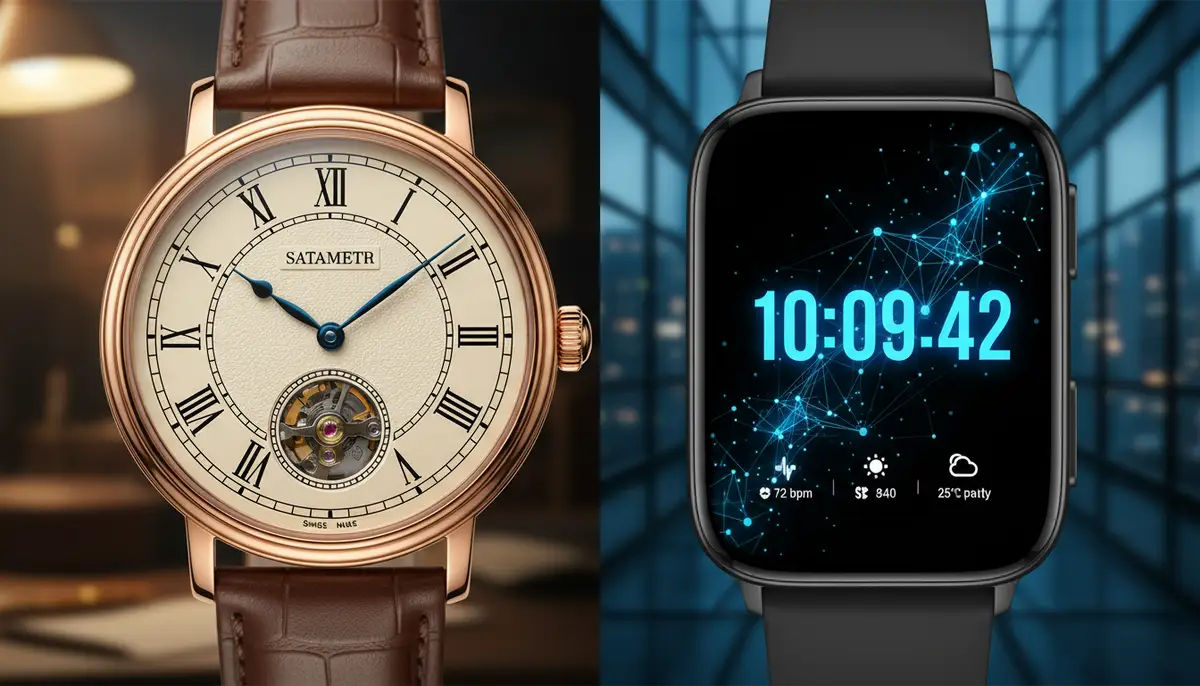
Understanding what is an analog watch movement is more than just knowing about gears and batteries. It's about appreciating the artistry, engineering, and philosophy behind a device that has captivated humanity for centuries. Whether you prefer the intricate dance of a mechanical movement or the unwavering precision of quartz, an analog watch offers a unique connection to time itself.
The choice of movement reflects your values and lifestyle. It's a personal statement on your wrist, a blend of tradition and modernity. As you consider your next timepiece, remember the heart beating within it. It defines its character and its story. We hope this guide has illuminated what is an analog watch movement for you.
For those who love the aesthetic of analog watches but enjoy the functionality of smart devices, remember that customization is key. You can download watch faces from WatchMaker to bring classic analog styles to your Apple Watch or Wear OS device, blending the best of both worlds!
Related Posts

The Watch Face Mistake Almost Every New Garmin Owner Makes
There's a predictable arc to owning a new Garmin. Day one, you install a watch face that shows everything: heart rate, steps, battery, weather, two time zones,...

The Ultimate Apple Watch Strap Guide: Find Your Perfect Fit & Style in 2025
Introduction: Your Essential Apple Watch Strap Guide for 2025 Your Apple Watch is more than just a gadget. It's a personal statement, a fitness tracker, and a...