




 Pokemon Card Scanner
 Live Wallpapers Unlimited
Digital vs Analog Watch: A Timeless Showdown for Your Wrist in 2025
Digital vs Analog Watch: Choosing Your Perfect Timepiece in 2025
In 2025, the world of watches offers more choices than ever before. You might be wondering about the age-old question: digital vs analog watch? This decision is more than just about telling time. It reflects your personal style, your needs, and even your connection to technology. Whether you prefer the classic elegance of hands on a dial or the cutting-edge functionality of a screen, understanding the core differences is key. This guide will help you navigate the features, aesthetics, and practicalities of each, ensuring you make the best choice for your wrist.
For centuries, watches have been essential accessories. They have evolved from simple time-telling devices to complex instruments and fashion statements. Today, the choice between a digital vs analog watch is a significant one. It impacts how you interact with your time and how others perceive your style. Let's dive deep into what makes each type unique.
The Enduring Charm of Analog Watches
Analog watches represent tradition and artistry. They offer a tangible connection to watchmaking history. Many people find their intricate mechanics fascinating. These watches often become heirlooms, passed down through generations. They embody a sense of timeless style.
What is an Analog Watch?
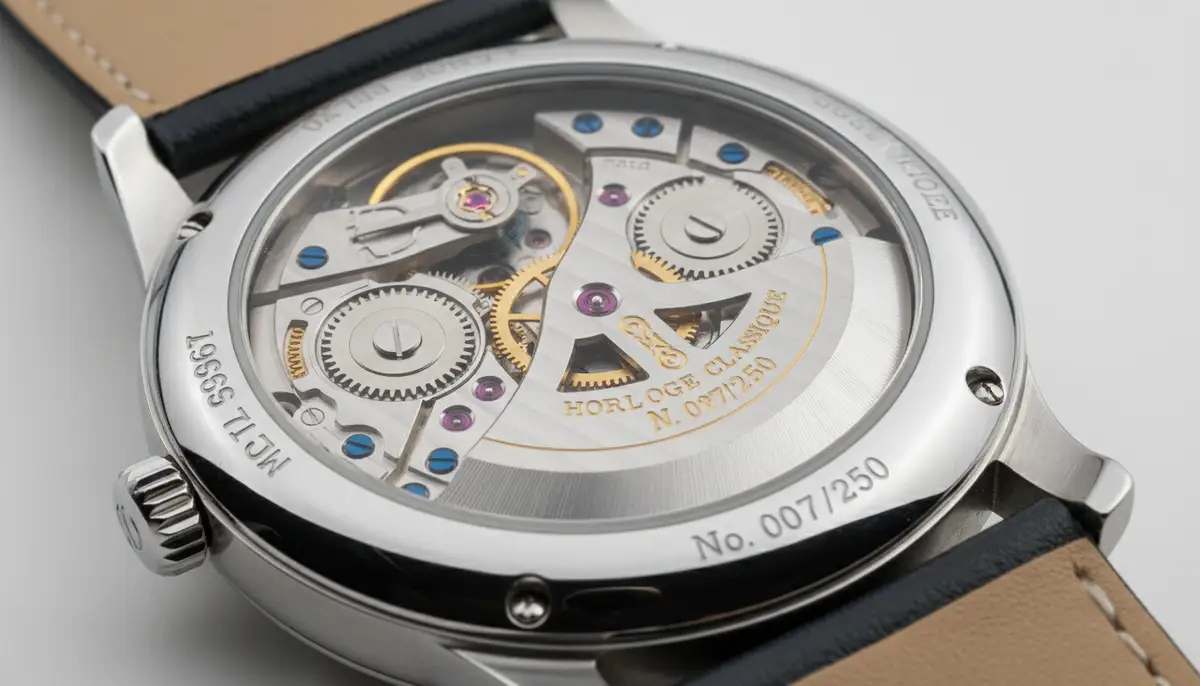
An analog watch displays time using hands that move around a dial. Typically, these watches have an hour hand, a minute hand, and often a second hand. Markers or numerals indicate the hours and minutes. This traditional display method has been around for centuries. It remains popular for its classic appeal.
Most analog watches are powered by either a mechanical movement or a quartz movement. Mechanical watches use springs and gears, requiring manual winding or automatic self-winding. Quartz watches, on the other hand, use a battery and a vibrating quartz crystal to keep time. For a deeper understanding of this technology, you can explore our comprehensive guide to quartz watch meaning.
The Aesthetics and Craftsmanship
One of the biggest draws of an analog watch is its aesthetic appeal. They come in countless designs, from minimalist and modern to ornate and vintage. The craftsmanship involved in creating an analog watch can be truly breathtaking. Many feature intricate dials, polished cases, and luxurious straps. These details contribute to their sophisticated look.
The sweeping motion of a mechanical second hand is often mesmerizing. It offers a smooth, continuous flow that digital displays cannot replicate. This subtle movement adds to the watch's character. It gives it a living quality. Many collectors appreciate the artistry behind these movements. They see them as miniature works of engineering.
Why Choose Analog?
- Timeless Style: Analog watches often complement both formal and casual attire, offering a versatile fashion statement.
- Craftsmanship: Many appreciate the intricate mechanical movements and the artistry involved in their creation.
- Durability: High-quality analog watches are built to last, often becoming cherished heirlooms.
- No Charging: Mechanical watches don't need batteries or charging, relying on kinetic energy or manual winding.
- Status Symbol: Certain brands and models of analog watches convey prestige and sophistication.
If you value tradition, elegance, and the art of watchmaking, an analog watch may be more suitable for you. This perspective is shared by many enthusiasts, as highlighted in this article about choosing the right watch for your collection. Analog watches often tell a story. They connect you to a rich history of horology. They are more than just time-telling devices; they are pieces of wearable art.
The Modern Edge of Digital Watches
Digital watches emerged as a technological marvel. They offered new ways to display information and perform functions. They quickly gained popularity for their precision and utility. In 2025, digital watches have evolved significantly. They now include advanced smart features. They cater to a tech-savvy audience.
What is a Digital Watch?
A digital watch displays time using numerical digits on an LCD or LED screen. This provides an exact, easy-to-read time. Digital watches are almost always powered by a quartz movement. This makes them highly accurate and reliable. They often include a variety of additional features. These can range from alarms and stopwatches to calculators and world time functions.
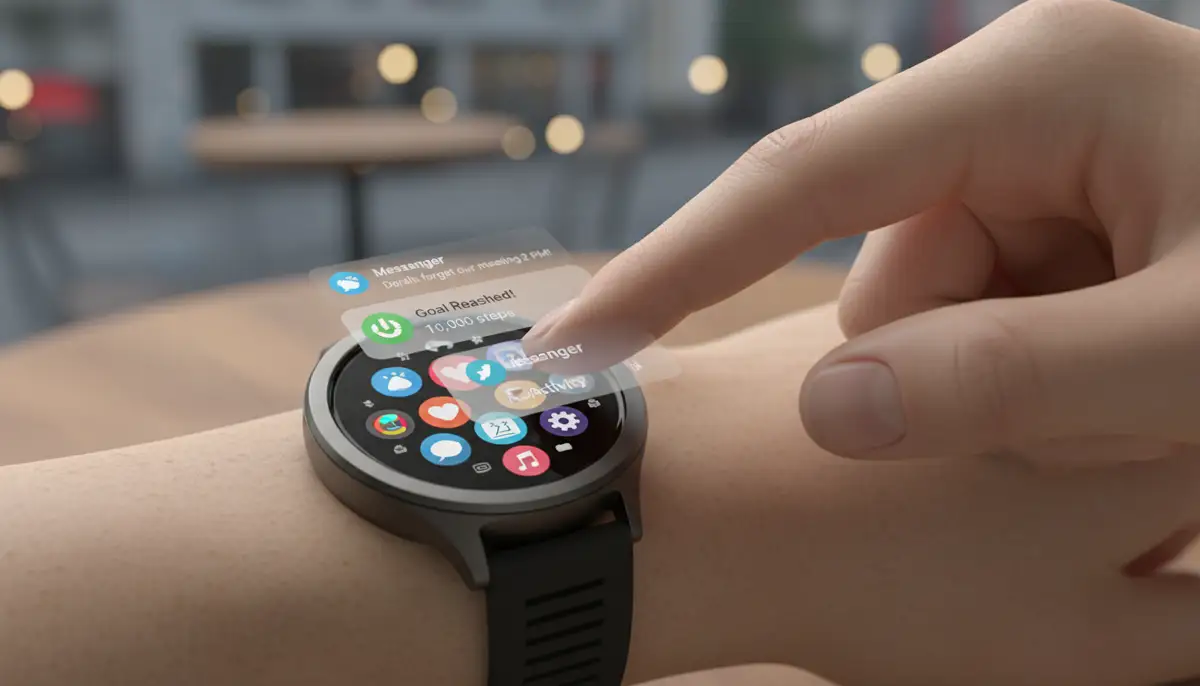
Modern digital watches, especially smartwatches, go far beyond simple time display. They integrate with your smartphone. They offer notifications, fitness tracking, and even payment capabilities. They are essentially mini-computers on your wrist. This makes them incredibly versatile. They appeal to those who embrace technology.
Functionality Beyond Time-Telling
The primary advantage of digital watches is their functionality. They often pack multiple features into a compact device. Think about fitness trackers, GPS, heart rate monitors, and even cellular connectivity. These features make digital watches indispensable for many. They are perfect for athletes, adventurers, and anyone needing quick access to information.
Digital displays are also very easy to read in various conditions. Backlights ensure visibility in the dark. Large, clear numbers are simple to glance at. This practicality is a huge plus. It makes them popular for everyday wear and specialized activities. They truly offer a modern solution to timekeeping and more.
Why Choose Digital?
- Advanced Functionality: Offers features like alarms, stopwatches, timers, world time, and often smart capabilities.
- Precision: Quartz movements ensure highly accurate timekeeping.
- Durability: Many digital watches are designed to be rugged and water-resistant, ideal for active lifestyles.
- Legibility: Clear digital displays are easy to read at a glance, day or night.
- Affordability: Often more accessible in price compared to high-end analog mechanical watches.
If you prioritize utility, precision, and modern features, a digital watch is likely your best bet. They are practical tools for a fast-paced world. Many people choose them for their active lifestyles. They are also excellent for those who appreciate technological innovation. The constant evolution of digital watches means new features are always emerging.
Digital vs Analog Watch: A Head-to-Head Comparison
Now that we've looked at each type individually, let's put them side-by-side. The choice between a digital vs analog watch often comes down to specific preferences. We will compare them across several key categories. This will help you weigh their pros and cons. Understanding these differences is crucial for making an informed decision.
Accuracy and Precision
When it comes to pure timekeeping accuracy, digital watches generally have an edge. Most digital watches use quartz movements. These are incredibly precise, losing or gaining only a few seconds per month. Mechanical analog watches, by contrast, can vary more significantly. They might gain or lose several seconds per day, depending on their quality and movement.
However, high-end analog watches are meticulously calibrated. They can achieve remarkable accuracy. For most daily needs, both types are more than sufficient. The difference in accuracy becomes more noticeable for highly specialized tasks. It also matters for those who demand absolute precision. This is one of the key differences between analog and digital watches, as explored in detail by Armitron's insights on watch functionality.
Durability and Maintenance
Durability varies greatly within both categories. Many digital watches, especially sports models, are built to be very rugged. They feature robust cases and shock-resistant designs. They can withstand harsh environments. Analog watches can also be very durable, especially those designed for diving or military use. However, mechanical movements can be more delicate. They may require more frequent servicing than quartz movements.
Maintenance for a quartz digital watch usually involves battery replacement every few years. Mechanical analog watches, however, often need professional servicing every 3-5 years. This ensures their intricate parts remain lubricated and accurate. This can be a significant cost consideration. It is an important factor in the digital vs analog watch debate.
Style and Versatility
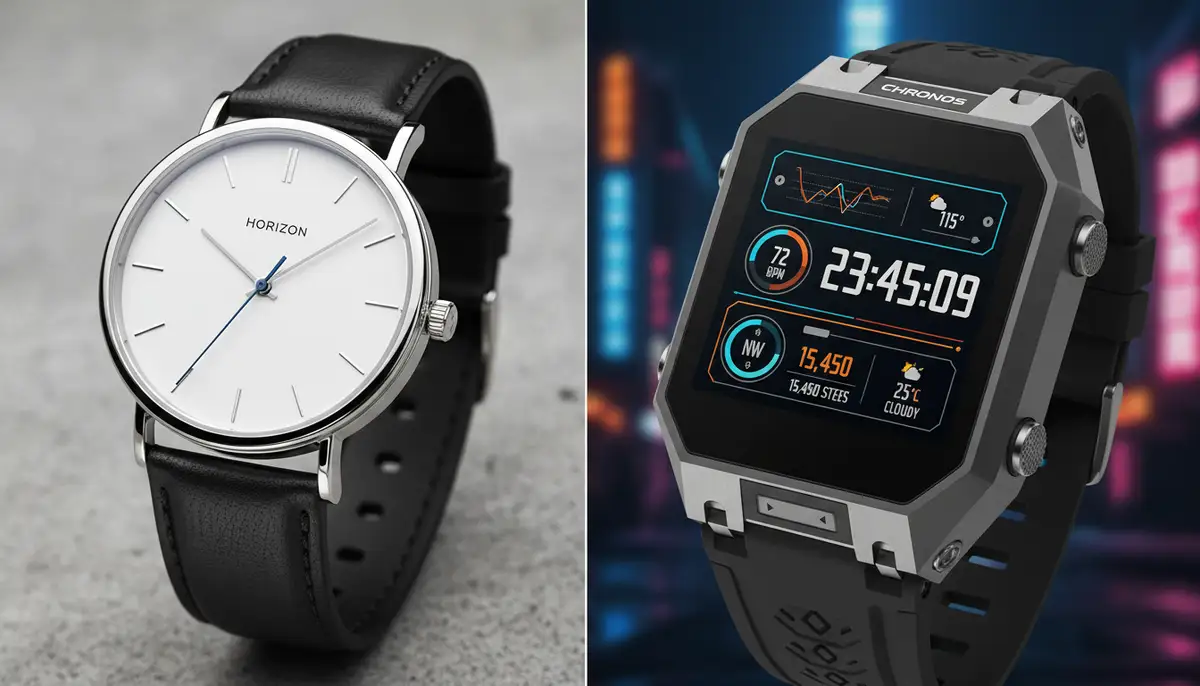
Style is perhaps the most subjective comparison. Analog watches often exude a classic, sophisticated, or vintage charm. They are frequently chosen as fashion accessories. They can elevate an outfit. Digital watches, conversely, often project a modern, sporty, or utilitarian image. They are perfect for casual wear or active pursuits. Some smartwatches blend these aesthetics, offering digital functionality with analog-style watch faces.
The versatility of an analog watch lies in its ability to suit almost any occasion. A well-chosen analog watch can transition seamlessly from a business meeting to a casual dinner. Digital watches, while versatile in function, might not always fit formal settings. However, their ability to change watch faces and straps offers a different kind of versatility. This allows for quick customization to match different moods or outfits.
Cost Considerations
The price range for both digital and analog watches is vast. You can find basic digital watches for very little money. Similarly, simple quartz analog watches are quite affordable. However, high-end mechanical analog watches can cost thousands, even hundreds of thousands of dollars. These often involve rare materials and intricate hand-finished movements. They are considered luxury items.
Smartwatches, a type of advanced digital watch, typically fall into a mid-to-high price range. Their cost depends on features, brand, and materials. When comparing a digital vs analog watch, consider not just the initial purchase price but also long-term maintenance costs. Battery replacements for digital watches are generally inexpensive. Servicing a mechanical analog watch can be a significant expense.
User Experience
The user experience differs significantly. Reading an analog watch involves interpreting the position of the hands. This is a skill learned early in life. Many find it more intuitive and aesthetically pleasing. There's a certain satisfaction in watching the hands sweep. It provides a continuous, flowing representation of time.
Digital watches offer immediate, precise numerical time. This is often quicker to read, especially for a quick glance. The added functions like alarms, timers, and notifications enhance convenience. However, navigating menus and settings on a small digital screen can sometimes be less intuitive. It might require a short learning curve. This contrast in user experience is a crucial part of the digital vs analog watch decision.
Key Differences: Digital vs Analog Watch
| Feature | Analog Watch | Digital Watch |
|---|---|---|
| Time Display | Hands on a dial | Numerical digits on a screen |
| Movement Type | Mechanical or Quartz | Almost exclusively Quartz |
| Primary Function | Time-telling, style | Time-telling, multiple functions (smart features) |
| Aesthetics | Classic, elegant, traditional | Modern, sporty, utilitarian |
| Accuracy | Good (mechanical), Excellent (quartz) | Excellent (quartz) |
| Maintenance | Potential for complex servicing | Battery replacement, software updates |
| Battery Life | Kinetic/manual (mechanical), 2-5 years (quartz) | Days to weeks (smartwatch), Years (basic digital) |
| Price Range | Low to extremely high | Low to high |
| Connectivity | None | Often Bluetooth, Wi-Fi, Cellular |
Smartwatches: The Hybrid Evolution
The rise of smartwatches has added another layer to the digital vs analog watch discussion. Smartwatches are essentially advanced digital watches. They connect to your smartphone and offer a wealth of features. They often bridge the gap between traditional timekeeping and modern technology. They represent the cutting edge of wearable tech in 2025.
Bridging the Gap
Some smartwatches even offer 'hybrid' designs. These combine physical hands with a digital display beneath. This allows for the classic look of an analog watch. However, it also provides smart notifications and fitness tracking. This innovative approach tries to offer the best of both worlds. It appeals to those who appreciate both tradition and technology.
However, the majority of smartwatches are fully digital. They boast vibrant, customizable screens. These screens can display a vast array of information. They can even mimic analog watch faces. This flexibility is a major selling point. It allows users to change their watch's appearance daily.
The Digital Dominance in Smartwatches
Smartwatches are fundamentally digital devices. Their core functionality relies on digital processing and display. This means they inherit all the benefits of digital watches. These include high accuracy, extensive features, and connectivity. They have pushed the boundaries of what a watch can do. They are no longer just about telling time. They are personal assistants, health monitors, and communication hubs.
The ecosystem for smartwatches is also thriving. Platforms like Apple Watch and Wear OS offer thousands of watch faces. These allow for endless customization. Companies like Pujie Black, watchfacely.com, and amoledwatchfaces.com provide excellent options. Here at WatchMaker, we pride ourselves on offering a vast repository of watch faces for both Apple Watch and Wear OS devices. This allows you to personalize your digital timepiece to an unprecedented degree. If you're looking to expand your digital presence, understanding these trends can also help with growing your digital brand organically.
Choosing Your Perfect Timepiece: Digital vs Analog Watch
The decision between a digital vs analog watch is deeply personal. There's no single 'right' answer. Your ideal watch depends on your lifestyle, preferences, and priorities. Consider these factors carefully before making your purchase. Think about how you will use the watch daily. Also, consider what message you want your watch to send.
Consider Your Lifestyle
Are you an active person who needs fitness tracking and durability? A digital watch, especially a smartwatch, might be more suitable. Do you spend a lot of time in formal settings? An elegant analog watch could be a better fit. Your daily activities play a huge role in determining which watch type will serve you best. For example, a runner will appreciate GPS and heart rate monitoring. A business professional might prefer a classic, understated look.
Reflect Your Personal Style
Your watch is an extension of your personality. Do you prefer a classic, timeless look? An analog watch often embodies this. Are you drawn to modern design and cutting-edge technology? A digital watch or smartwatch might be more your speed. Think about your wardrobe and the overall aesthetic you aim for. Your watch should complement your unique style. It should make you feel confident.
Think About Functionality Needs
Beyond telling time, what do you need your watch to do? If you only need to know the time and date, both options work. If you require alarms, timers, multiple time zones, or smart notifications, a digital watch is superior. For advanced features like GPS, health monitoring, and smartphone integration, a smartwatch is essential. List your must-have features. This will narrow down your choices significantly. This helps clarify the digital vs analog watch choice.
Budgeting for Your Watch
Set a realistic budget before you start shopping. As discussed, prices vary wildly. Decide how much you are willing to spend. Remember to factor in potential maintenance costs for analog watches. Also, consider the lifespan of smartwatches, which might be shorter due to evolving technology. A good watch is an investment. Choose one that offers the best value for your money and needs.
The Future of Timekeeping: Beyond Digital vs Analog Watch
The evolution of watches continues at a rapid pace. While the core debate of digital vs analog watch remains, new innovations are constantly emerging. These advancements promise even more exciting options for the future. We can expect watches to become even more integrated into our lives. They will offer new levels of personalization and functionality.
Innovation in Materials and Tech
New materials are making watches lighter, stronger, and more comfortable. Advances in battery technology are extending the life of digital devices. Furthermore, mechanical movements are becoming even more precise and complex. We are seeing watches with solar charging, kinetic energy harvesting, and even self-repairing components. These innovations blur the lines between traditional and modern. They push the boundaries of what's possible.
Personalization and Customization
Customization is a growing trend. For digital watches, especially smartwatches, this means endless possibilities for watch faces. At WatchMaker, we empower users to express themselves. We offer thousands of unique watch faces. You can truly make your watch your own. This level of personalization was unimaginable just a few years ago. You can easily download watch faces that match any mood or outfit. This makes your digital watch feel fresh every day.
Even analog watches are embracing customization. Many brands offer interchangeable straps and bezels. This allows owners to change the look of their watch without buying a new one. The desire for unique, personalized items is strong. Watch manufacturers are responding to this demand. They offer more options than ever before. This ensures that your watch truly reflects you.
Conclusion: Your Choice in the Digital vs Analog Watch Era
The choice between a digital vs analog watch is a fascinating one. It highlights the intersection of tradition and innovation. Analog watches offer timeless elegance, intricate craftsmanship, and a connection to history. They appeal to those who value art and heritage. Digital watches, especially smartwatches, provide unparalleled functionality, precision, and modern connectivity. They are perfect for the tech-savvy and active individual.
Ultimately, the best watch for you is the one that fits your lifestyle, expresses your personality, and meets your practical needs. Perhaps you'll even find room in your collection for both. Many watch enthusiasts own several timepieces. They choose a different one for different occasions. This allows them to enjoy the unique benefits of each. Whether you lean towards the classic or the cutting-edge, the world of watches in 2025 offers something spectacular for everyone. Your perfect timepiece is waiting for you to discover it.

Related Posts

The Watch Face Mistake Almost Every New Garmin Owner Makes
There's a predictable arc to owning a new Garmin. Day one, you install a watch face that shows everything: heart rate, steps, battery, weather, two time zones,...

The Ultimate Apple Watch Strap Guide: Find Your Perfect Fit & Style in 2025
Introduction: Your Essential Apple Watch Strap Guide for 2025 Your Apple Watch is more than just a gadget. It's a personal statement, a fitness tracker, and a...