




 Pokemon Card Scanner
 Live Wallpapers Unlimited
Analog Watch vs Quartz: The Ultimate Showdown for Your Wrist in 2025
Analog Watch vs Quartz: Which Timepiece Reigns Supreme in 2025?
Choosing a new watch can be exciting, but also a little overwhelming. You might find yourself debating between an analog watch vs quartz. Both types offer unique benefits and appeal to different tastes. In 2025, understanding these differences is key to making the right choice for your wrist.
This guide will break down everything you need to know. We will cover their mechanisms, aesthetics, accuracy, and overall ownership experience. By the end, you will clearly understand which watch type suits your lifestyle best.
Understanding Analog Watches: The Art of Mechanical Timekeeping
An analog watch, often referred to as a mechanical watch, uses a complex system of gears, springs, and levers. This intricate machinery powers its hands. There are two main types of mechanical watches: manual-wind and automatic.
Manual-wind watches require you to turn the crown regularly to store energy in the mainspring. Automatic watches, however, self-wind. They use the motion of your wrist to power themselves. This eliminates the need for daily winding.
How Analog Watches Work
The heart of an analog watch is its movement. This movement is a miniature engine. It uses the stored energy to turn the hands. This process is a marvel of micro-engineering. It has been refined over centuries.
- Mainspring: Stores energy when wound.
- Gear Train: Transmits energy from the mainspring to the escapement.
- Escapement: Regulates the release of energy, creating the 'tick-tock' sound.
- Balance Wheel: Oscillates back and forth, ensuring precise timekeeping.
- Hands: Moved by the gear train to display hours, minutes, and seconds.
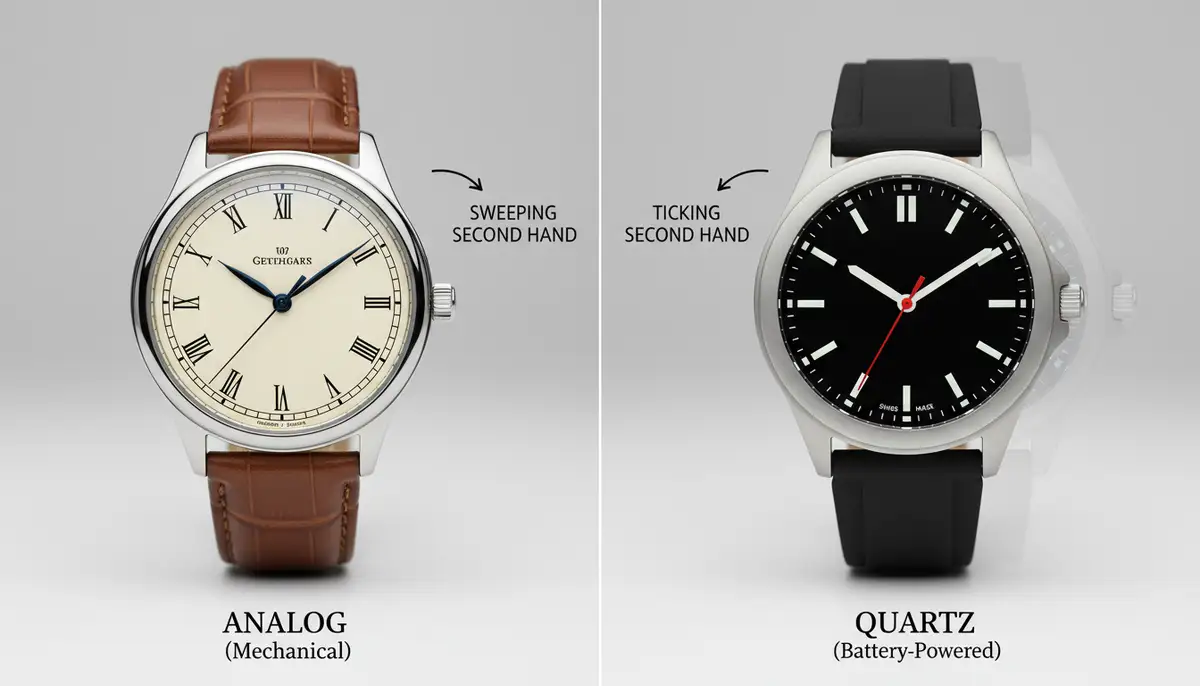
The second hand on an analog watch typically has a smooth, sweeping motion. This is a distinctive characteristic. Many enthusiasts appreciate this fluid movement. It is a visual testament to the continuous energy transfer within the watch.
The Pros of Analog Watches
- Craftsmanship and Heritage: Analog watches are often seen as miniature works of art. They embody centuries of watchmaking tradition.
- Longevity and Repairability: With proper care, a mechanical watch can last for generations. Parts are often repairable or replaceable.
- No Battery Needed: Automatic watches never need a battery. They rely on your movement.
- Resale Value: High-end mechanical watches can retain or even increase their value over time, becoming heirlooms.
- Smooth Second Hand: The continuous sweep of the second hand is aesthetically pleasing to many.
Many people find a deep connection to the intricate mechanics of an analog watch. It's more than just a time-telling device; it's a piece of history on your wrist. For a deeper dive into the differences, you can explore more about analog watch vs automatic watch to understand how these movements compare.
The Cons of Analog Watches
- Accuracy: They are generally less accurate than quartz watches. They can lose or gain several seconds per day.
- Maintenance: Mechanical watches require periodic servicing, typically every 3-5 years. This can be costly.
- Durability: They are more sensitive to shocks, magnetic fields, and temperature changes.
- Cost: High-quality mechanical watches are often more expensive to buy and maintain.
- Bulkier Design: Their complex movements can sometimes lead to thicker or heavier cases.
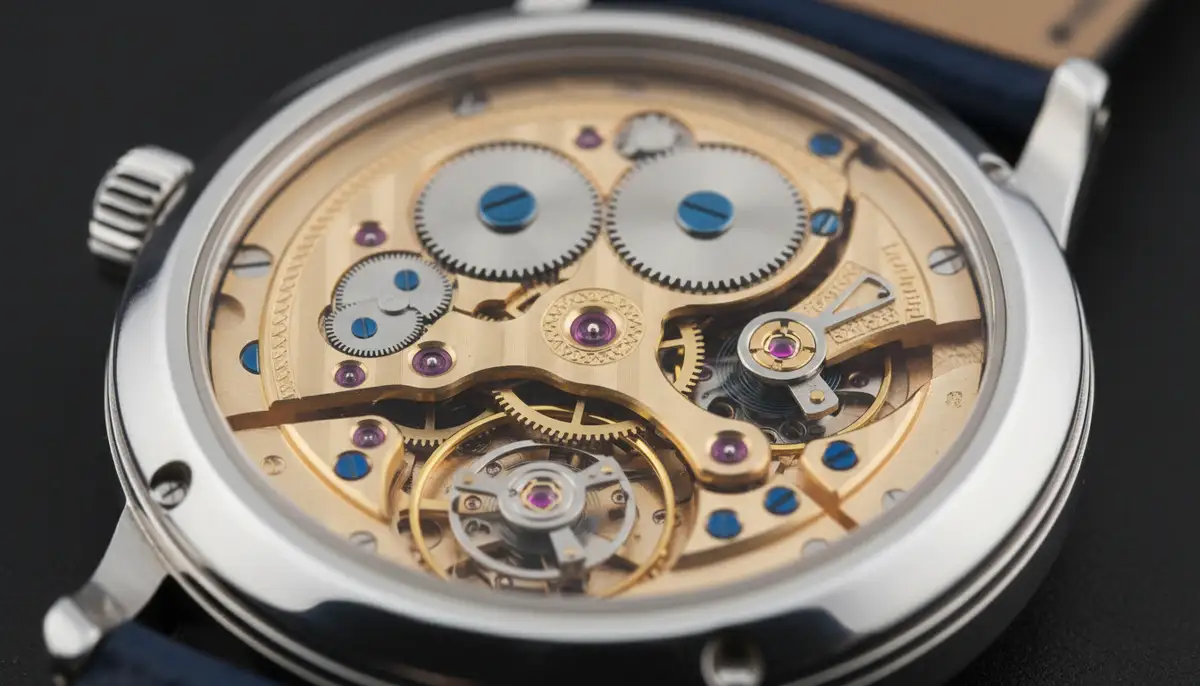
The precision of an analog watch can be affected by many factors. This includes gravity and temperature. If you prioritize absolute precision, this is something to consider. However, for many, the charm outweighs this slight inaccuracy.
Exploring Quartz Watches: The Precision of Modern Technology
Quartz watches represent a revolution in timekeeping. They use a battery-powered electronic oscillator. This oscillator is regulated by a quartz crystal. This technology emerged in the late 1960s. It quickly became popular for its accuracy and affordability.
When considering an analog watch vs quartz, the internal mechanics are vastly different. Quartz watches rely on electronics. Analog watches rely on intricate gears. This fundamental difference shapes their performance and appeal.
How Quartz Watches Work
A small battery sends an electric current through a quartz crystal. This crystal vibrates at a very precise frequency. An integrated circuit then counts these vibrations. It converts them into a single pulse per second. This pulse drives a small stepping motor. The motor then moves the watch hands.
- Battery: Provides power to the circuit.
- Quartz Crystal: Vibrates at a stable frequency when electricity passes through it.
- Integrated Circuit (IC): Counts the vibrations and generates electrical pulses.
- Stepping Motor: Converts electrical pulses into mechanical movement to turn the gears.
- Gears & Hands: Display the time, much like an analog watch.
The second hand on a quartz watch typically moves in distinct 'tick' motions. It jumps once per second. This is a clear visual difference from the sweeping motion of many mechanical watches. For more details on this technology, check out our comprehensive guide on unlocking the quartz watch meaning.
The Pros of Quartz Watches
- Accuracy: Quartz watches are incredibly accurate. They typically lose or gain only a few seconds per month.
- Affordability: They are generally much cheaper to produce. This makes them more accessible.
- Durability: Fewer moving parts mean they are more resistant to shocks and impacts.
- Low Maintenance: They primarily require battery replacement every few years.
- Thinness: Their simpler movements allow for slimmer case designs.
The reliability of quartz watches is a major selling point. You can wear them daily without much worry. This makes them ideal for an active lifestyle. They offer a 'set it and forget it' convenience.
The Cons of Quartz Watches
- Battery Dependence: They require battery replacement, which can be inconvenient. Disposal also raises environmental concerns.
- Less 'Soul': Many enthusiasts feel they lack the intricate artistry and heritage of mechanical watches.
- Lower Resale Value: Most quartz watches do not hold their value as well as luxury mechanical counterparts.
- Tick-Tock Second Hand: The distinct tick is less appealing to some compared to a smooth sweep.
While highly functional, some people find quartz watches less captivating. They don't have the visible gears or the historical lineage. This perception often plays a big role in the analog watch vs quartz debate among collectors.
Among watch enthusiasts, the preference for mechanical watches is often strong. As noted on Quora, while quartz is technically superior in accuracy and cost, it's sometimes seen as less 'authentic' in collector circles. This highlights the emotional aspect of watch ownership.
Analog Watch vs Quartz: A Direct Comparison
Now that we've looked at each type individually, let's put them head-to-head. This direct comparison will highlight their key differences. It will help you weigh your priorities for an analog watch vs quartz.
| Feature | Analog Watch (Mechanical) | Quartz Watch |
|---|---|---|
| Movement Type | Spring-driven gears | Battery-powered crystal oscillator |
| Accuracy | +/- 5-30 seconds/day | +/- 5-30 seconds/month |
| Second Hand Motion | Smooth sweep | Distinct 'tick' per second |
| Power Source | Manual winding or wrist movement | Battery |
| Maintenance | Regular servicing (3-5 years) | Battery replacement (2-5 years) |
| Craftsmanship | High, intricate engineering | Good, but less visible complexity |
| Cost | Generally higher | Generally lower |
| Durability | More delicate, sensitive to shock | More robust, shock-resistant |
| Resale Value | Can be high (luxury brands) | Generally lower |
As you can see, the differences are significant. Your personal preferences will heavily influence your decision. Consider what matters most to you in a timepiece. Is it heritage, precision, or affordability?
Factors to Consider When Choosing Between Analog Watch vs Quartz
Making the right choice for your wrist involves more than just understanding the mechanics. Think about your lifestyle, budget, and what you value in an accessory. This section will guide you through these important considerations.
1. Lifestyle and Activity Level
If you lead an active lifestyle, a quartz watch might be more practical. Its durability and shock resistance make it suitable for sports or demanding work environments. Mechanical watches, while robust, are generally more susceptible to damage from impacts.
However, if your daily routine is less strenuous, an analog watch can be a perfect companion. Its delicate nature encourages a certain level of care and appreciation. This often appeals to those who see watches as more than just tools.
2. Budget and Value
Generally, quartz watches offer excellent value for money. You get high accuracy and reliability at a lower price point. This makes them a great entry into the world of watches. They are also cheaper to maintain, mainly requiring battery changes.
Analog watches, especially those from reputable brands, represent a larger initial investment. Their servicing costs can also add up over time. However, some high-end mechanical watches can appreciate in value. They are often considered investments or heirlooms. The debate of analog watch vs quartz often comes down to this financial aspect.
3. Aesthetic and Emotional Appeal
The 'soul' of a watch is often discussed. Many find the intricate, living movement of an analog watch deeply appealing. The smooth sweep of the second hand and the visible gears are mesmerizing. They offer a connection to traditional craftsmanship.
Quartz watches, while modern and precise, might not evoke the same emotional response for everyone. Their beauty often lies in their sleek design and functional simplicity. The choice here is deeply personal. It depends on what kind of story you want your watch to tell.
4. Maintenance and Convenience
Quartz watches are very low maintenance. You simply replace the battery every few years. This makes them incredibly convenient for daily wear. You don't need to worry about winding them or setting them if they sit unused for a while.
Mechanical watches require more attention. Manual-wind watches need daily winding. Automatic watches need regular wear or a watch winder. They also require professional servicing every few years. This ensures their complex mechanisms function correctly.
5. Environmental Impact
The environmental footprint is a growing concern in 2025. Quartz watches rely on batteries. These batteries need proper disposal. Mechanical watches, on the other hand, are self-powered. They avoid battery waste entirely. This can be a factor for eco-conscious consumers.
However, the production of any watch involves resources. Longevity and repairability also play a role. A well-maintained mechanical watch can last a lifetime. This reduces its overall impact. The same can be true for high-quality quartz watches.
Analog Watch vs Quartz: The Digital Dimension
While this article focuses on analog watch vs quartz, it's worth noting the rise of digital and smartwatches. These modern devices offer features far beyond time-telling. They include fitness tracking, notifications, and even mobile payments. If you're exploring all your options, you might find our guide on digital vs analog watch helpful.
Many smartwatches today offer customizable watch faces. This allows you to mimic the look of both analog and digital displays. For those who love personalization, platforms like WatchMaker offer thousands of watch faces for Apple Watch and Wear OS devices. You can explore a vast collection and download watch faces that match your style. Companies like watchfacely.com, Pujie Black, and buddywatch.app also offer excellent customization options, showcasing the vibrant ecosystem of watch customization.
The Future of Analog Watch vs Quartz
The watch industry continues to evolve. However, the core debate of analog watch vs quartz remains strong. Both technologies have their dedicated followers. Innovation continues in both camps. Mechanical watches see advancements in materials and precision. Quartz watches become even more sophisticated with solar power and radio control.
Ultimately, the best watch is the one that brings you joy and meets your needs. There is no single 'right' answer in the analog watch vs quartz discussion. It truly depends on what you seek in a timepiece. Do you want a reliable tool or a piece of art?
To further understand the intricate workings of these timepieces, watch this video:
. It offers a visual explanation of how quartz and automatic (a type of analog) movements differ, providing valuable context to your decision-making process.Conclusion: Your Personal Choice in the Analog Watch vs Quartz Debate
Deciding between an analog watch vs quartz is a journey of personal preference. Analog watches offer a connection to history, intricate craftsmanship, and a timeless appeal. They are for those who appreciate tradition and the art of mechanical engineering.
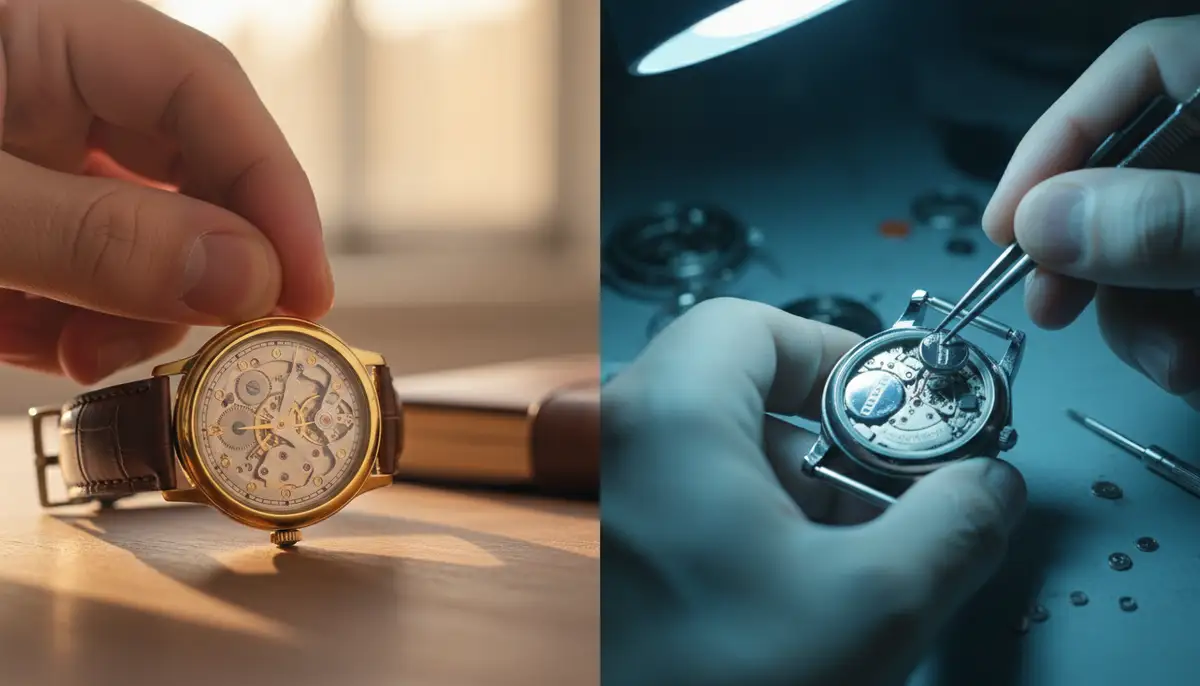
Quartz watches, on the other hand, provide unparalleled accuracy, durability, and affordability. They are perfect for the practical individual who values precision and convenience. Both options are excellent, but they cater to different priorities.
Consider your budget, lifestyle, and what story you want your watch to tell. Whether you choose the sweeping elegance of an analog or the precise tick of a quartz, you'll be wearing a testament to human ingenuity. Make your choice confidently in 2025, knowing you picked the perfect watch for you.
Related Posts

The Watch Face Mistake Almost Every New Garmin Owner Makes
There's a predictable arc to owning a new Garmin. Day one, you install a watch face that shows everything: heart rate, steps, battery, weather, two time zones,...

The Ultimate Apple Watch Strap Guide: Find Your Perfect Fit & Style in 2025
Introduction: Your Essential Apple Watch Strap Guide for 2025 Your Apple Watch is more than just a gadget. It's a personal statement, a fitness tracker, and a...