

 Pokemon Card Scanner
 Live Wallpapers Unlimited





Mastering Time: Your Comprehensive Guide on How to Service a Mechanical Watch in 2025
Introduction: Why Learn How to Service a Mechanical Watch?
Mechanical watches are tiny marvels of engineering. They rely on intricate gears, springs, and levers to tell time. Unlike their quartz counterparts, these timepieces demand regular care. Understanding how to service mechanical watch is vital for any owner. Proper servicing ensures your watch runs accurately for decades. It also helps preserve its value and history. This guide will walk you through the entire process. You will learn what goes into keeping your watch in top condition.
Whether you plan to do it yourself or hire a professional, knowing the steps is powerful. You will appreciate the craftsmanship even more. Let's dive into the world of mechanical watch maintenance. We will explore everything you need to know in 2025.
Understanding Your Mechanical Watch: The Heartbeat of Horology
Before you learn how to service mechanical watch, you should understand its basics. A mechanical watch movement is a complex system. It converts the energy from a wound mainspring into precise timekeeping. This energy travels through a gear train. It then reaches the escapement. The escapement regulates the release of energy. This powers the balance wheel. The balance wheel oscillates back and forth. This creates the 'tick-tock' sound you hear. Each component plays a crucial role. They all work together in harmony.
Over time, friction and wear affect these tiny parts. Lubricants dry out. Dust can enter the case. These issues reduce accuracy. They can also cause permanent damage. Regular maintenance prevents these problems. It ensures smooth operation. This is why knowing how to service mechanical watch is so important. It protects your investment.
When to Service Your Mechanical Watch: The Right Time for Tune-Ups
So, when is the right time to service your mechanical watch? Most experts recommend a service every 3-5 years. This timeframe is a general guideline. Some watches might need it sooner. Others can go a bit longer. Factors like climate, how often you wear it, and the watch's age play a role. A watch worn daily in a humid environment might need more frequent service. A watch stored safely in a dry place might last longer. You should always consult your watch's manufacturer recommendations. They often provide specific service intervals. For more insights on general mechanical watch maintenance, you can check out this comprehensive guide to watch care.
Signs your watch needs service include poor accuracy. It might gain or lose significant time. The power reserve could decrease. The watch might stop completely. If you notice any of these issues, it's time for a check-up. Don't wait until the watch stops working. Early intervention can prevent more costly repairs. This proactive approach is key to understanding how to service mechanical watch effectively.
The Tools You'll Need (Or Your Watchmaker Will Use)
Servicing a mechanical watch requires specialized tools. These tools are designed for precision work. If you plan to attempt DIY, invest in quality tools. Cheap tools can cause damage. Here's a list of essential items:
- Watchmaker's loupe or microscope: For magnified viewing of tiny parts.
- Screwdriver set: Specific sizes for watch screws.
- Tweezers: Non-magnetic, fine-tipped for handling components.
- Case back opener: To safely open the watch case.
- Movement holder: To secure the movement during work.
- Rodico (cleaning putty): For picking up dust and fingerprints.
- Pegwood: For cleaning pivot holes and applying oil.
- Oil applicators (oilers): Very fine tips for precise lubrication.
- Cleaning solutions: Specialized for watch movements.
- Blower brush: To remove dust.
- Timegrapher: For measuring accuracy and making adjustments.
- Dust-free workspace: A clean environment is critical.
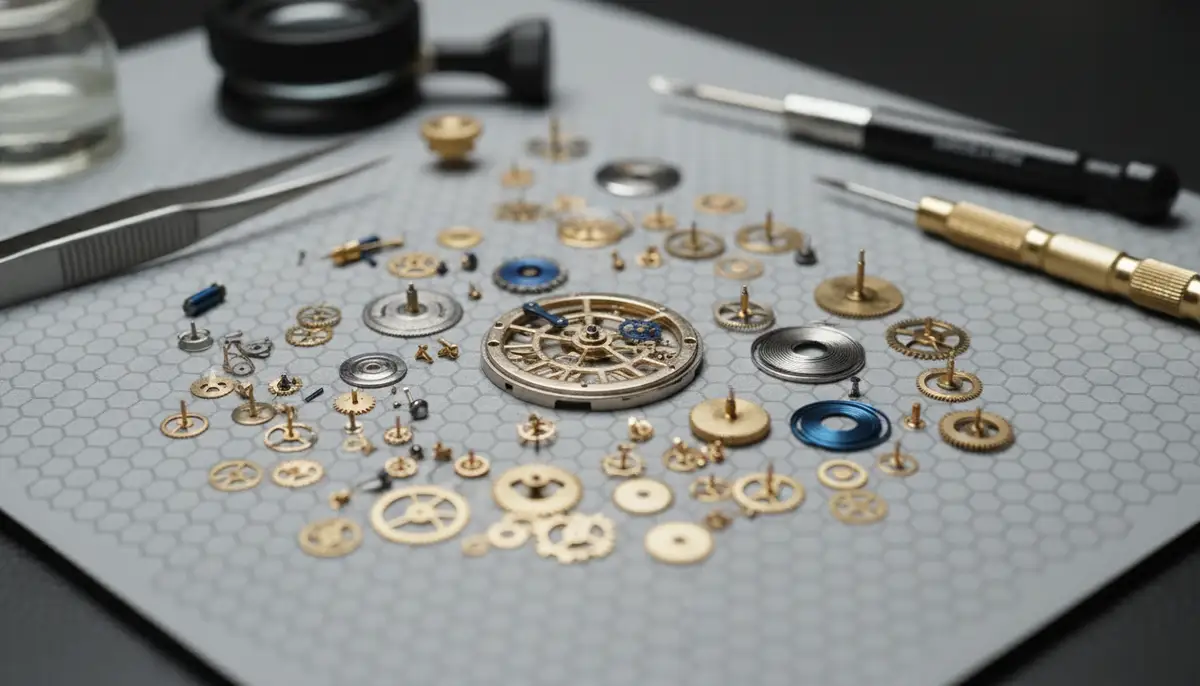
This list might seem extensive. However, each tool serves a specific purpose. They help protect the delicate components. Proper tools ensure a successful service. They are fundamental to learning how to service mechanical watch correctly.
Preparing for the Service: A Step-by-Step Guide
Preparation is crucial. Whether DIY or professional, these steps help. First, choose your path. If you're going professional, find a reputable watchmaker. Look for certifications and good reviews. Ask about their experience with your watch's brand or movement. If you're going DIY, set up your workspace. It must be clean, well-lit, and dust-free. A dedicated mat helps prevent parts from rolling away. Gather all your tools before you start. This prevents interruptions during delicate tasks.
Before any disassembly, document everything. Take clear photos of your watch. Photograph the movement before and during disassembly. This helps with reassembly. Note any existing scratches or damage. This protects you and helps the watchmaker. This thorough preparation is an important part of how to service mechanical watch effectively.
The Core Steps to Service a Mechanical Watch
Servicing a mechanical watch involves several key stages. Each stage requires patience and precision. Here's a breakdown of the process. This will help you understand how to service mechanical watch from start to finish.
1. Disassembly
The watchmaker carefully opens the case back. They remove the movement from the case. Then, they systematically disassemble the movement. This means taking out the rotor (for automatics), balance wheel, escapement, gear train, and mainspring barrel. Each tiny screw and component is removed. They are placed in an organized manner. This prevents loss and aids reassembly. Proper organization is critical. It ensures no parts are mixed up. This careful process is the first step when you learn how to service mechanical watch.
2. Cleaning
All disassembled parts go into a specialized cleaning machine. This machine uses several cleaning and rinsing solutions. It removes old, dried-up oils, dirt, and debris. Ultrasonic cleaners are often used. They ensure every nook and cranny is spotless. After cleaning, the parts are thoroughly dried. They are then inspected under magnification. A clean movement is essential for accurate timekeeping. This step is non-negotiable for a proper service. The thorough cleaning process is a vital part of how to service mechanical watch.
3. Inspection and Replacement
After cleaning, each component is inspected. The watchmaker looks for wear, corrosion, or damage. Worn gears, bent pivots, or chipped jewels must be replaced. The mainspring is almost always replaced. Mainsprings lose elasticity over time. A new mainspring ensures optimal power delivery. This inspection phase is critical. It identifies any parts that could compromise the watch's performance. For a detailed look into replacing a mainspring, you can find valuable insights on servicing your own vintage mechanical watch.
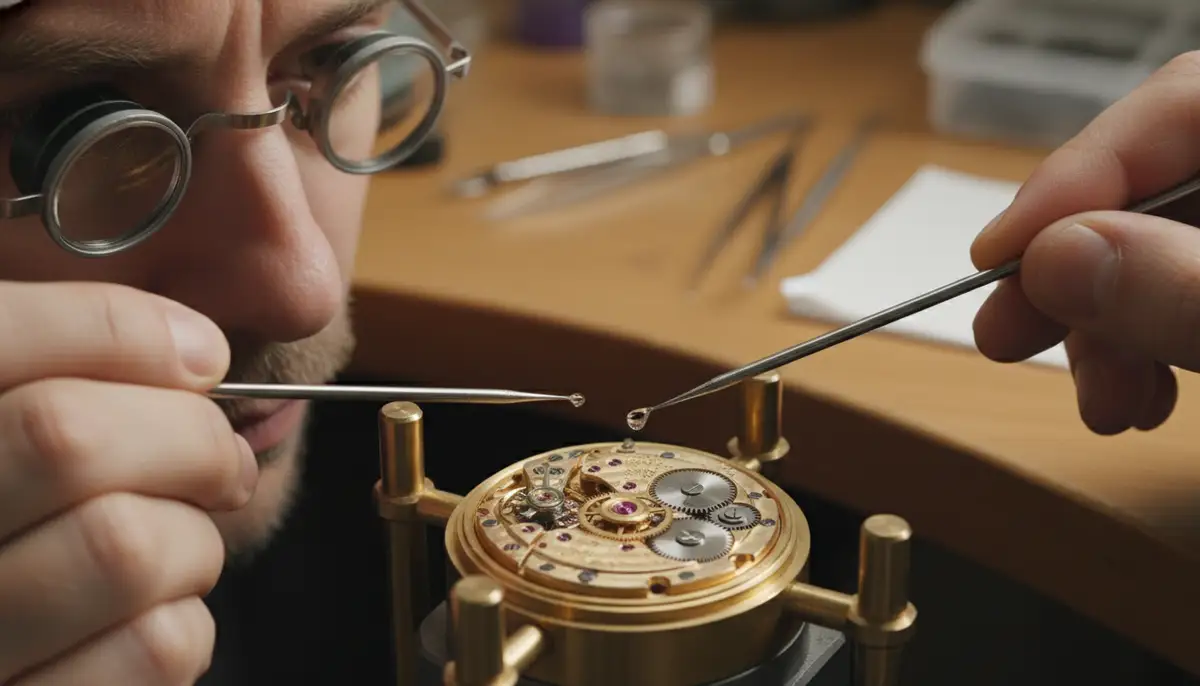
4. Lubrication
This is a delicate and crucial step. Tiny drops of specialized oils and greases are applied. They go to specific friction points. Different lubricants are used for different parts. For example, a thicker grease might go on the mainspring. A very fine oil goes on the escapement. Proper lubrication reduces friction. It prevents wear. It ensures smooth operation. Too much or too little oil can be detrimental. This step requires immense precision. This precise lubrication is key to how to service mechanical watch for long-term accuracy.
5. Reassembly
The movement is reassembled in reverse order of disassembly. This is where the initial documentation comes in handy. Each part is carefully put back into place. Screws are tightened to the correct specifications. The watchmaker ensures all components move freely. They check for any binding or resistance. This step requires a steady hand and keen eye. Assembling the intricate pieces requires patience. It's a testament to the skill involved when you learn how to service mechanical watch.
6. Regulation and Testing
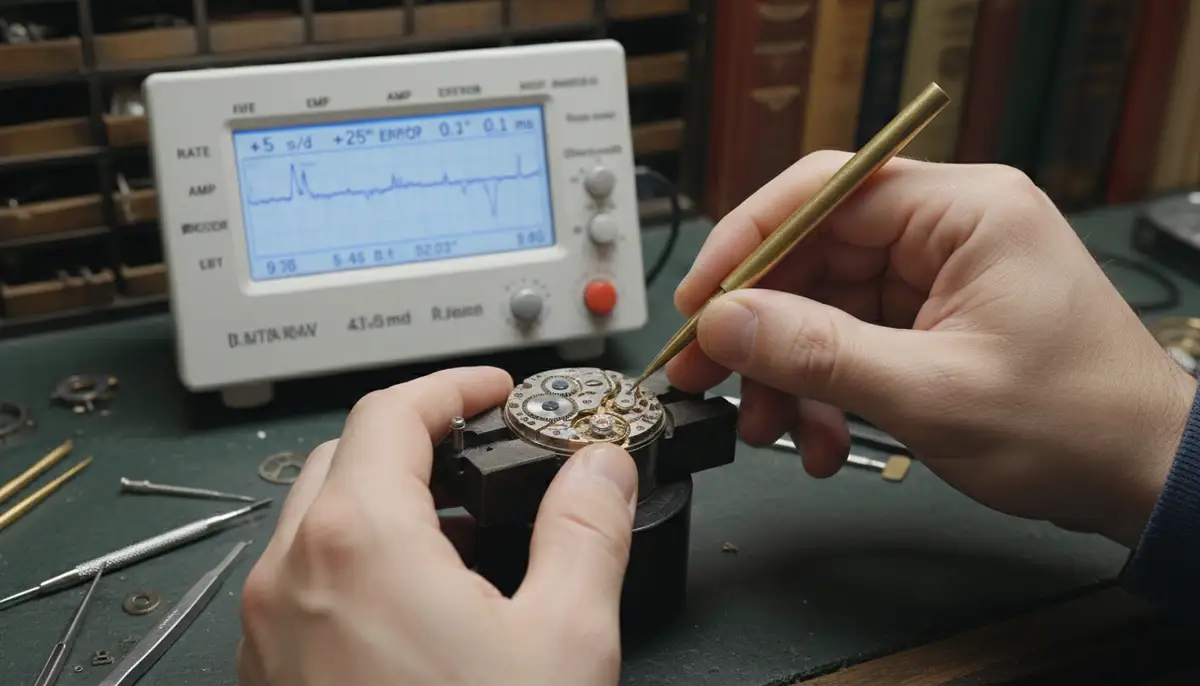
Once reassembled, the watch needs regulation. A timegrapher measures the watch's accuracy. It shows how many seconds the watch gains or loses per day. It also displays amplitude and beat error. The watchmaker adjusts the balance wheel. They fine-tune it until the watch keeps time within factory specifications. The watch is then tested in various positions. This ensures consistent accuracy. It might also undergo a power reserve test. This verifies the mainspring's performance. Finally, water resistance is tested if applicable. This final tuning ensures your watch is ready for daily wear. It's the last step in how to service mechanical watch to perfection. If you're interested in learning more about setting your watch after service, check out our guide on how to set mechanical watch.
How to Service Mechanical Watch: A Comprehensive Checklist
Here is a quick checklist summarizing the process. This can help you remember the key steps involved when you need to service your mechanical watch.
| Service Step | Key Action | Purpose |
|---|---|---|
| Initial Inspection | Assess watch condition, document issues. | Identify problems, plan service. |
| Disassembly | Carefully remove all movement components. | Prepare for cleaning and inspection. |
| Cleaning | Wash all parts in specialized solutions. | Remove old oils, dirt, and debris. |
| Part Inspection | Examine each component for wear/damage. | Replace worn parts (e.g., mainspring). |
| Lubrication | Apply specific oils/greases to friction points. | Reduce friction, prevent wear, ensure smooth operation. |
| Reassembly | Put all components back together systematically. | Reconstruct the movement correctly. |
| Regulation | Adjust balance wheel with timegrapher. | Achieve optimal timekeeping accuracy. |
| Final Testing | Test power reserve, water resistance, positional accuracy. | Verify performance and reliability. |
This checklist provides a clear overview. It highlights the meticulous nature of watch servicing. Each step builds on the last. This ensures a complete and effective overhaul. For a general service, a local watchmaker will follow these procedures. They will open the caseback and remove the movement. This is a standard practice for comprehensive mechanical watch maintenance, as described in this guide to mechanical watch maintenance.
DIY vs. Professional Service: Making the Right Choice
The decision to DIY or go professional is significant. Learning how to service mechanical watch yourself is a rewarding hobby. It requires significant investment. You need time, specialized tools, and a lot of patience. Mistakes can be costly. You might damage delicate parts. You could lose tiny screws. However, the satisfaction of restoring a timepiece is immense. Many enthusiasts start with simpler movements. They gradually build their skills. There are many resources available for learning. You can watch detailed tutorials. For example, this video provides a good visual guide:
For valuable, complex, or vintage watches, a professional is usually the best choice. They have the expertise. They have the right equipment. They also offer warranties on their work. A professional service ensures your watch receives the best care. It protects your investment. Consider your skill level and the watch's value. Then make an informed decision. This choice is key when thinking about how to service mechanical watch.
Maintaining Your Watch Between Services
Even with regular servicing, daily care matters. How you treat your watch impacts its longevity. Wind your manual watch daily. Wind it at the same time each day. This keeps the mainspring at optimal tension. For automatic watches, wear them regularly. Or use a watch winder. Avoid extreme temperatures. Don't expose your watch to sudden shocks. A hard drop can damage the movement. Keep it away from strong magnetic fields. Magnets can affect accuracy. This daily care complements the service. It extends the life of your timepiece. It's a crucial part of knowing how to service mechanical watch and keep it running well.
Clean the exterior regularly. Use a soft cloth. Wipe away dirt and sweat. For water-resistant watches, you can gently rinse the case. Always check the crown is pushed in. Avoid using harsh chemicals. They can damage gaskets or the case finish. Proper storage is also important. Keep your watch in a soft pouch or watch box. This protects it from dust and scratches. If you own a chronograph, mastering its settings is also important for its overall health; learn more in our expert insights on how to set chrono watch.
The Value of a Well-Maintained Timepiece
A well-serviced mechanical watch offers numerous benefits. First, it ensures accuracy. You can rely on your watch to tell precise time. Second, it extends its lifespan. A watch that receives regular care can last for generations. It becomes a family heirloom. Third, it preserves its resale value. Collectors appreciate watches with a documented service history. A neglected watch loses value quickly. Finally, there's the personal satisfaction. Knowing your watch is in peak condition is rewarding. It reflects your appreciation for fine craftsmanship. This is the ultimate goal when you learn how to service mechanical watch.
Beyond the Mechanism: Customizing Your Watch Experience
While maintaining the internal mechanism is vital, the external appearance also matters. Many watch enthusiasts enjoy personalizing their timepieces. This often includes changing straps or customizing watch faces. For smartwatches, a vibrant community exists around custom watch faces. Companies like WatchMaker offer thousands of options. You can truly make your device unique. This customization allows you to match your watch to your mood or outfit. It adds another layer of enjoyment to your timekeeping experience.
Even for traditional mechanical watch owners, the appeal of a personalized digital companion is strong. Platforms like watchfacely.com, amoledwatchfaces.com, and Pujie Black also provide extensive libraries. They offer unique designs for Apple Watch and Wear OS devices. These platforms empower users to express their style. They allow for a seamless blend of classic horology appreciation with modern technology. You can explore a wide array of options and download watch faces to enhance your digital wristwear.
Conclusion: Your Journey to Understanding How to Service Mechanical Watch
Learning how to service mechanical watch is a journey. It combines technical skill with a deep appreciation for horology. We've covered the why, when, and how. From understanding the intricate movements to the meticulous steps of cleaning, lubrication, and regulation. You now have a solid foundation. You can make informed decisions about your watch's care. Remember, regular maintenance is not just about fixing problems. It's about preventing them. It ensures your mechanical watch remains a reliable companion.
Whether you choose a professional watchmaker or embark on a DIY adventure, treat your timepiece with respect. It's more than just an instrument for telling time. It's a piece of art, history, and engineering. By following these guidelines, you ensure your mechanical watch will continue to tick accurately for many years to come. This commitment to care is what truly sets mechanical watch owners apart.
Related Posts

The Watch Face Mistake Almost Every New Garmin Owner Makes
There's a predictable arc to owning a new Garmin. Day one, you install a watch face that shows everything: heart rate, steps, battery, weather, two time zones,...

The Ultimate Apple Watch Strap Guide: Find Your Perfect Fit & Style in 2025
Introduction: Your Essential Apple Watch Strap Guide for 2025 Your Apple Watch is more than just a gadget. It's a personal statement, a fitness tracker, and a...