




 Pokemon Card Scanner
 Live Wallpapers Unlimited

Mastering Time: A Comprehensive Guide on How to Regulate Watch Movement in 2025
In a world where every second counts, the accuracy of your timepiece is more important than ever. Whether you own a cherished heirloom or a modern mechanical marvel, ensuring it keeps perfect time is key. This guide will teach you exactly how to regulate watch movement, giving you the power to fine-tune your watch's performance. You can achieve impressive accuracy with the right knowledge and tools. Let's dive into the fascinating world of horology and discover how to regulate watch movement like a pro in 2025.
Why Regulate Your Watch Movement?
You might wonder why watch regulation matters. The primary reason is accuracy. Even high-end mechanical watches can gain or lose a few seconds a day. Over time, these small errors add up. Regulating your watch means adjusting its timing to keep it as close to perfect as possible. This ensures you're always on time. It also extends the life of your watch by ensuring its internal mechanisms are running optimally.
Think of it like tuning a musical instrument. A guitar might play notes, but a tuned guitar sounds much better. Similarly, a regulated watch performs at its peak. It provides reliable timekeeping you can trust. Learning how to regulate watch movement gives you a deeper connection to your timepiece. It's a skill that brings immense satisfaction.
Understanding Your Mechanical Watch Movement
Before you learn how to regulate watch movement, it helps to understand how a mechanical watch works. At its heart, a mechanical watch relies on a complex system of gears, springs, and levers. The mainspring provides power. This power flows through a gear train. The escapement then releases this energy in tiny, controlled bursts.
The balance wheel and hairspring are the 'heartbeat' of your watch. They oscillate back and forth at a precise rate. This rate determines how fast or slow your watch runs. The regulator mechanism then allows you to fine-tune this oscillation. Adjusting this component is key to knowing how to regulate watch movement effectively. For a deeper dive into basic mechanical watch operation, you might find our guide on how to set mechanical watch very useful.
Essential Tools for Watch Regulation
To successfully regulate your watch, you'll need a few specialized tools. Investing in quality tools is crucial. They prevent damage to delicate components. Here's what you'll need to get started:
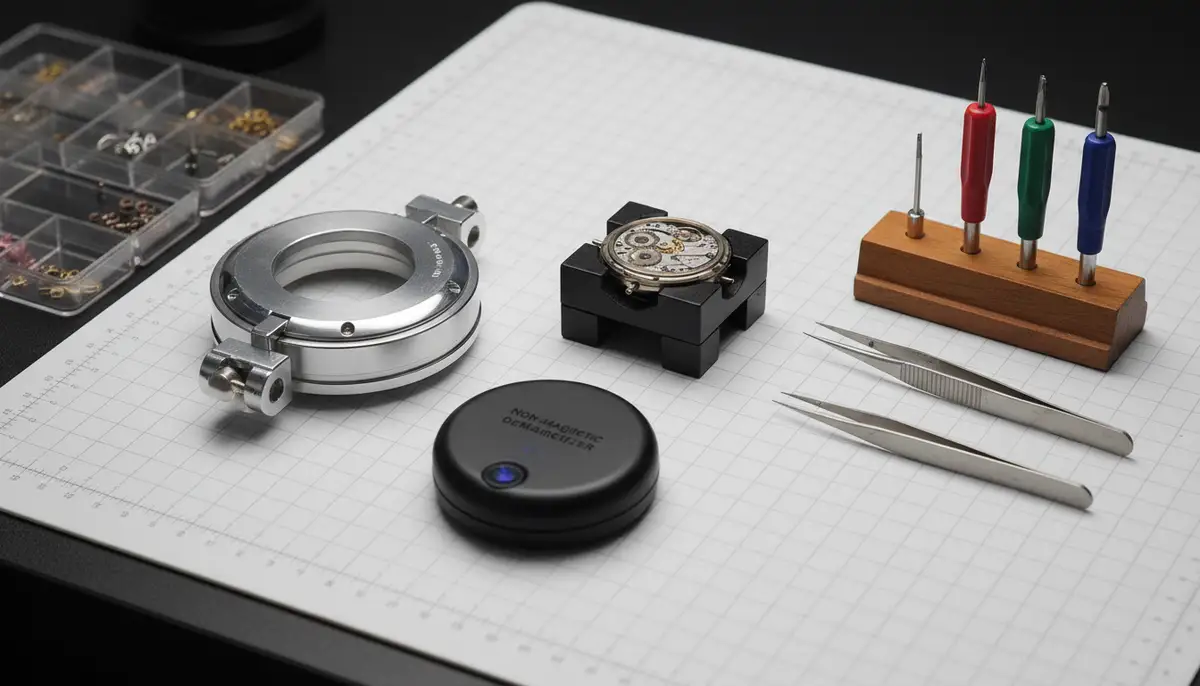
- Case Back Opener: To access the movement. Different types exist (friction ball, jaxa, screw-down).
- Precision Screwdrivers: For tiny screws, especially if you need to remove a movement ring.
- Non-Magnetic Tweezers: For handling delicate parts without magnetizing them.
- Loupe or Magnifying Glass: To see the tiny components clearly.
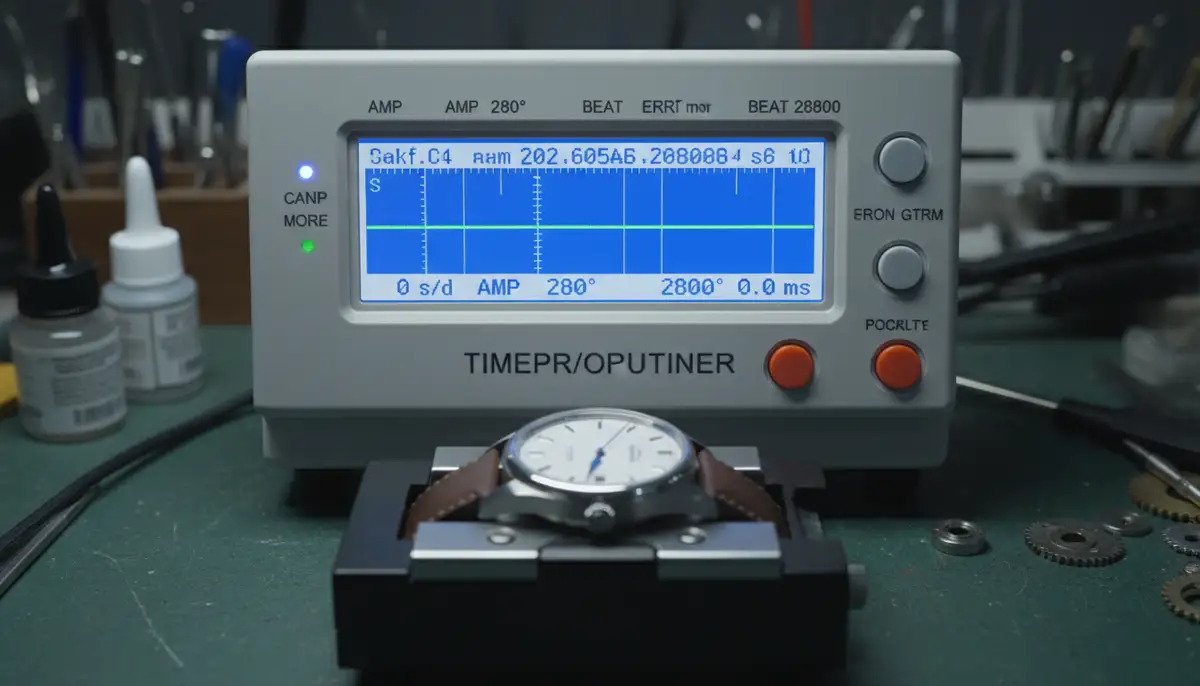
- Timegrapher: This is your most important tool. It measures your watch's accuracy, beat error, and amplitude.
- Demagnetizer: To remove any magnetism from the watch, which can affect accuracy.
- Rodico or Blower: For cleaning dust or debris from the movement.
Having the right gear makes all the difference. As Gnomon Watches explains, regulating a watch requires several specific tools to ensure precision and prevent damage. You can find more details on essential watchmaking tools in their insightful article on how to regulate watch.
Preparation Steps Before You Regulate Watch Movement
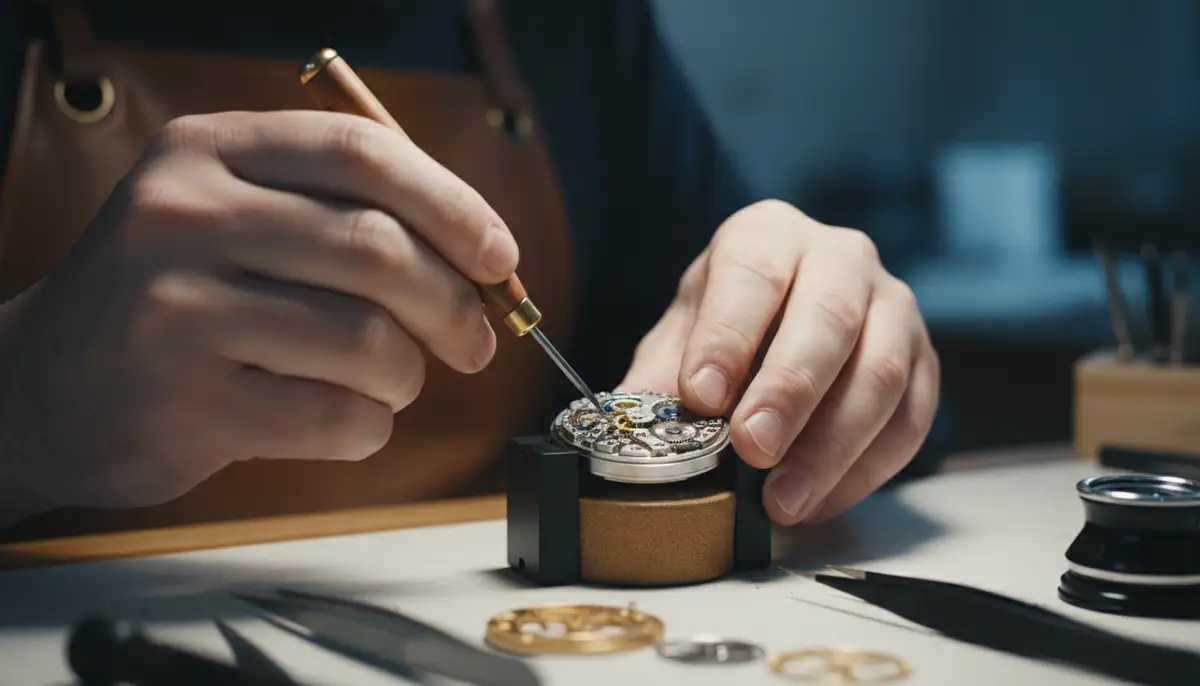
Before you touch anything, prepare your workspace and your watch. A clean, well-lit area is essential. Dust and debris are your enemies. They can easily get into the movement and cause problems. Make sure your hands are clean. Consider wearing finger cots or gloves.
Step 1: Demagnetize Your Watch
Magnetism is a common culprit for inaccurate watches. Electronic devices, speakers, and even some tools can magnetize your watch's hairspring. A magnetized hairspring will stick together, making the watch run fast. Always demagnetize your watch first. This ensures any timing issues are mechanical, not magnetic. It's a simple process with a demagnetizer tool. Just place the watch on the device, activate it, and slowly lift the watch away. You can watch this video on
to see the demagnetization process in action. This step is crucial for accurate results when you learn how to regulate watch movement.Step 2: Open the Case Back
Next, you need to open your watch's case back. There are different types of case backs. Screw-down case backs require a jaxa wrench or a specialized opener. Snap-on case backs need a case knife. Be very careful during this step. Do not scratch the case or slip and damage the movement. Once open, you will see the intricate movement inside. Take a moment to appreciate the craftsmanship. Now you are ready to learn how to regulate watch movement directly.
How to Regulate Watch Movement: The Step-by-Step Process
This is where the real work begins. Regulating a watch involves making tiny adjustments to the regulator arm. This arm controls the effective length of the hairspring. Changing its length speeds up or slows down the balance wheel's oscillation. This directly impacts your watch's accuracy. This precise adjustment is at the core of how to regulate watch movement effectively.
Step 3: Measure Current Accuracy with a Timegrapher
Place your opened watch on the timegrapher's microphone. The timegrapher listens to the watch's 'beat' or 'tick.' It then displays crucial data. This includes the daily rate (how many seconds it gains or loses per day), beat error, and amplitude. These readings are your starting point. They tell you exactly how much adjustment is needed. Take readings in multiple positions (dial up, dial down, crown up, etc.). This gives you a comprehensive picture of its performance.
Step 4: Locate the Regulator Arm
Inside the movement, find the balance wheel. It's the component that spins rapidly back and forth. Next to it, you'll see the hairspring, a tiny, coiled wire. The regulator arm is usually a small lever that sits over the hairspring. It typically has two pins that embrace the hairspring. This arm is your key to how to regulate watch movement. Oak & Oscar provides an excellent explanation of this mechanism, noting that the regulator arm is the most common way to regulate a watch, as detailed in their article on regulation part 1.
Step 5: Make Small Adjustments
Now for the delicate part. Use a very fine, non-magnetic tool, like a precision screwdriver or a specialized regulator tool. Gently nudge the regulator arm. Moving the arm towards the '+' (plus) sign makes the watch run faster. Moving it towards the '-' (minus) sign makes it run slower. These are extremely small movements. Even a tiny nudge can make a significant difference. Think micro-adjustments.
After each tiny adjustment, place the watch back on the timegrapher. Take a new reading. Compare it to your previous reading. Repeat this process until you achieve the desired accuracy. Patience is vital here. Do not try to rush this step. It might take several attempts to get it just right. The experts at iFixit provide a helpful guide on how to regulate a mechanical watch movement, emphasizing gentle, precise movements of the regulator arm.
| Adjustment Direction | Effect on Watch Speed | Typical Change (per nudge) |
|---|---|---|
| Towards '+' (faster) | Increases daily rate (gains time) | ~5-10 seconds/day |
| Towards '-' (slower) | Decreases daily rate (loses time) | ~5-10 seconds/day |
Advanced Considerations in How to Regulate Watch Movement
While adjusting the regulator arm is the main task, a truly accurate watch also considers beat error and amplitude. These factors contribute to consistent timekeeping across different positions.
Understanding Beat Error
Beat error occurs when the balance wheel is not perfectly centered in its oscillation. This causes an uneven 'tick-tock' sound. The timegrapher displays this in milliseconds (ms). A high beat error means the watch is less stable. Ideally, you want a beat error close to 0.0 ms, typically under 0.5 ms for most watches. Some movements have a separate beat error adjustment lever. This is often a smaller lever near the regulator arm. Adjusting beat error is even more delicate than rate adjustment. It can be tricky for beginners. Focus on the rate first. Then, if comfortable, tackle beat error.
Understanding Amplitude
Amplitude refers to the degree of rotation of the balance wheel. It's measured in degrees. A healthy amplitude indicates good power delivery and minimal friction. For a fully wound watch, a good amplitude is typically between 270 and 310 degrees. Low amplitude can indicate issues like dirt, worn parts, or insufficient lubrication. Regulating the rate won't fix low amplitude. If your watch has low amplitude despite being fully wound, it might need a service. This is beyond simply learning how to regulate watch movement.
Common Mistakes to Avoid When Regulating Your Watch
Learning how to regulate watch movement can be rewarding. However, it's easy to make mistakes. Be aware of these common pitfalls:
- Over-adjusting: Making large adjustments at once. Always make tiny, incremental changes.
- Using magnetic tools: This can re-magnetize your watch. Always use non-magnetic tools.
- Lack of patience: Watch regulation takes time and repeated measurements. Don't rush.
- Working in a dirty environment: Dust and fibers can easily enter the movement and cause damage.
- Touching the hairspring: The hairspring is extremely delicate. Even a slight touch can permanently damage it.
- Forgetting to demagnetize: Always start with a demagnetized watch to get accurate readings.
When to Seek Professional Help
While understanding how to regulate watch movement is empowering, some issues are best left to professionals. If your watch has a very high beat error that you cannot adjust, or consistently low amplitude, it likely needs a full service. This involves disassembling, cleaning, lubricating, and reassembling the movement. These tasks require specialized training and tools. If you're unsure or uncomfortable, a professional watchmaker is your best bet. They have the expertise to diagnose and fix complex problems. Remember, protecting your valuable timepiece is paramount.
Maintaining Your Watch's Accuracy After Regulation
Once you've successfully learned how to regulate watch movement and achieved optimal accuracy, ongoing maintenance is key. Regular servicing every 3-5 years is recommended for most mechanical watches. This ensures lubricants are fresh and parts are not excessively worn. Avoid extreme temperatures and strong magnetic fields. Handle your watch with care. Dropping it can easily throw off its regulation or cause more serious damage. By following these tips, you can enjoy your perfectly regulated timepiece for years to come.
Beyond Mechanical: The Digital Frontier of Timekeeping
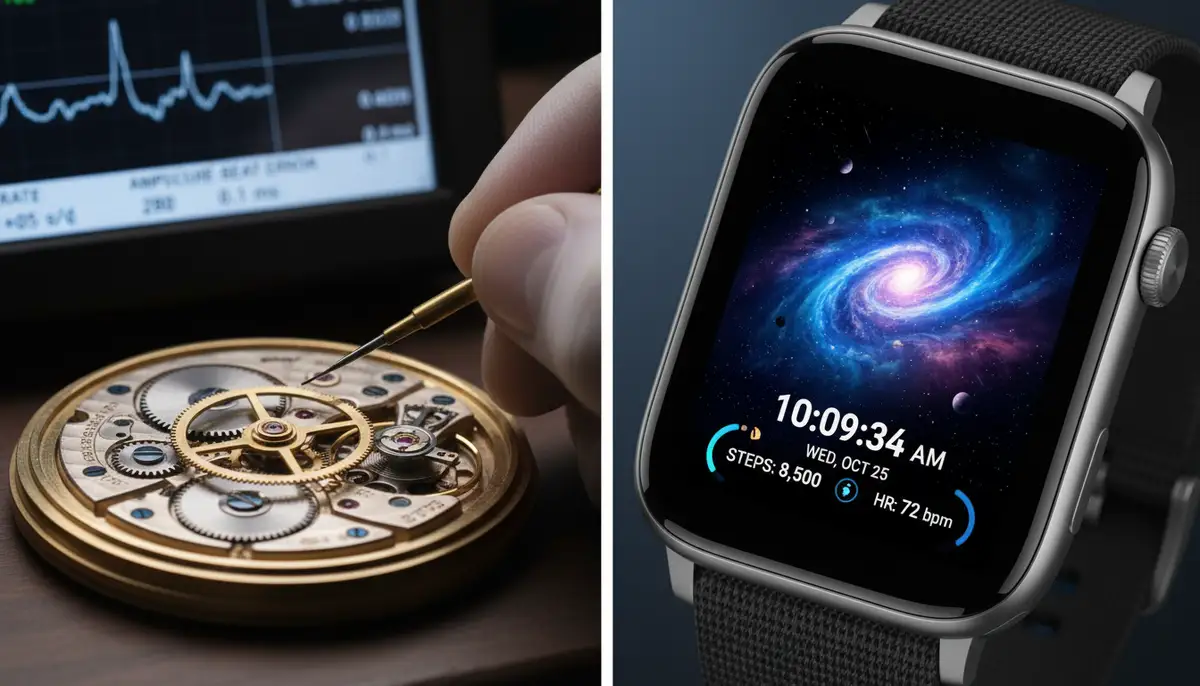
While the art of how to regulate watch movement focuses on mechanical watches, the world of timekeeping has expanded. Smartwatches, like the Apple Watch and Wear OS devices, offer unparalleled customization. You don't need to regulate these movements. Instead, you personalize their appearance with digital watch faces. This is where WatchMaker shines. WatchMaker offers a vast repository of thousands of watch faces. You can transform your smartwatch into anything you desire. From classic analog looks to futuristic digital displays, the possibilities are endless. This offers a different kind of customization and precision.
For those who appreciate both traditional craftsmanship and modern technology, the contrast is fascinating. You can spend hours perfecting the beat of a mechanical movement. Or, you can instantly change the entire aesthetic of your smartwatch. Companies like amoledwatchfaces.com, Pujie Black, and watchfacely.com also offer great options for digital watch faces. However, WatchMaker provides a unique community and an extensive library. It allows you to download watch faces or even create your own. This brings a new dimension to personal timekeeping.
Conclusion: Mastering Your Timepiece's Heartbeat
Learning how to regulate watch movement is a rewarding journey. It connects you to the intricate mechanics of your timepiece. With patience, the right tools, and a methodical approach, you can significantly improve your watch's accuracy. Remember to start with demagnetization. Use a timegrapher for precise readings. Make tiny, incremental adjustments to the regulator arm. Always prioritize safety and cleanliness.
Whether you're fine-tuning a vintage piece or ensuring your daily wearer is spot-on, mastering how to regulate watch movement is a valuable skill. It not only enhances your watch's performance but also deepens your appreciation for horology. For those who enjoy customizing their digital timepieces, remember you can always download watch faces from WatchMaker to express your unique style. And if you're interested in other aspects of watch care, explore our comprehensive guide to setting your chronograph watch. Keep your watches ticking perfectly!
Related Posts

The Watch Face Mistake Almost Every New Garmin Owner Makes
There's a predictable arc to owning a new Garmin. Day one, you install a watch face that shows everything: heart rate, steps, battery, weather, two time zones,...

The Ultimate Apple Watch Strap Guide: Find Your Perfect Fit & Style in 2025
Introduction: Your Essential Apple Watch Strap Guide for 2025 Your Apple Watch is more than just a gadget. It's a personal statement, a fitness tracker, and a...