
 Pokemon Card Scanner
 Live Wallpapers Unlimited





Mastering Longevity: Your Complete Guide on How to Care for an Automatic Watch
Introduction: The Enduring Charm of Automatic Watches
Automatic watches are marvels of mechanical engineering. They run on the kinetic energy from your body's movement, meaning they never need a battery. This intricate craftsmanship makes them a cherished possession for many. However, owning such a sophisticated timepiece comes with a responsibility: knowing how to care for an automatic watch properly.
Proper care ensures your watch keeps accurate time. It also protects its aesthetic appeal and preserves its value over the years. This guide will walk you through every essential step. You will learn the best practices for maintaining your automatic watch, from daily wear to long-term storage and professional servicing. Let's dive into the world of horology and ensure your automatic watch stands the test of time.
Understanding Your Automatic Watch: A Brief Overview
Before we discuss how to care for an automatic watch, it helps to understand how it works. Unlike quartz watches, automatic watches do not use a battery. Instead, they rely on a complex system of gears, springs, and a rotor. The rotor spins with your arm's motion, winding the mainspring. This stored energy powers the watch.
This self-winding mechanism is what makes automatic watches so special. However, it also means they are more delicate than their quartz counterparts. They require specific attention to maintain their precision and functionality. Knowing these basics helps you appreciate the care required.
Daily Habits for Longevity: How to Care for an Automatic Watch
Consistent daily habits are fundamental to how to care for an automatic watch. These small actions make a big difference in your watch's lifespan and performance.
Wearing Your Watch Regularly
Automatic watches thrive on movement. Wearing your watch often keeps the mainspring wound and the lubricants flowing. If you don't wear it daily, it might stop. This is normal, as the power reserve typically lasts 38-42 hours when fully wound.
If your watch stops, simply pick it up and gently rock it side to side for about 30 seconds. This will restart the movement. Then, set the time and wear it. This simple action is key to maintaining its health.
Setting the Time and Date Correctly
Setting your automatic watch correctly is crucial. Always pull the crown out to the furthest position before adjusting the time. This stops the movement and prevents damage. When setting the date, be aware of the 'danger zone'.
The 'danger zone' is typically between 9 PM and 3 AM. During these hours, the watch's gears are engaged in changing the date. Adjusting the date manually during this period can strip gears or cause other internal damage. To avoid this, first set the time to 6:30 AM. Then, set the date. Finally, advance the time to the correct current time. This method protects the delicate date mechanism.
For those with more complex timepieces, understanding the nuances of adjustment is vital. If you own a chronograph, you might find our guide on mastering your chronograph timepiece incredibly useful. Similarly, for other mechanical watches, our comprehensive guide on setting mechanical watches offers valuable insights.
Avoiding Shocks and Impacts
Automatic watches contain many tiny, moving parts. A sudden jolt or drop can easily damage these delicate components. Avoid wearing your automatic watch during high-impact activities. This includes sports like tennis, golf, or even vigorous gardening. Remove your watch before engaging in such activities. Place it in a safe, padded spot.
Winding Your Automatic Watch
If you don't wear your automatic watch every day, you might need to manually wind it. Most modern automatic watches can be hand-wound. To do this, unscrew the crown (if it's a screw-down crown) and turn it clockwise about 20-30 times. You will feel a slight resistance, but do not force it. This provides enough power to get the watch running and keep it accurate until you wear it again.
For multiple watches or infrequent wear, a watch winder is an excellent investment. We will discuss watch winders in more detail later. They ensure your watch stays wound and ready to wear without manual intervention. This is a crucial part of how to care for an automatic watch for collectors.
Protection from the Elements: Essential Steps for Automatic Watch Care
Environmental factors can significantly impact your automatic watch. Protecting it from these elements is a vital part of how to care for an automatic watch.
Water Resistance: Understanding and Precautions
Not all watches are created equal when it comes to water. Your watch's water resistance rating is critical. It tells you how much water exposure it can handle. Always check this rating before exposing your watch to any moisture.
- 30 meters (3 ATM): Splash resistant only. Avoid showering or swimming.
- 50 meters (5 ATM): Suitable for short periods of recreational swimming, but not diving.
- 100 meters (10 ATM): Good for swimming and snorkeling. Still avoid hot tubs or diving.
- 200 meters (20 ATM) or more: Suitable for diving and most water sports.
Even with a high water resistance rating, certain precautions are necessary. Never operate the crown or pushers while your watch is wet. This can compromise the seals and allow water to enter. After exposure to salt water, rinse your watch with fresh water and dry it thoroughly. This prevents corrosion. For more detailed advice on protecting against moisture, read this comprehensive guide on how to maintain an automatic watch.
Temperature Extremes
Extreme temperatures, both hot and cold, can harm your automatic watch. High heat can degrade lubricants and expand internal components, affecting accuracy. Cold can cause lubricants to thicken, slowing the movement. Avoid leaving your watch in direct sunlight, on a hot dashboard, or in very cold environments for extended periods. Sudden temperature changes are also detrimental, as they can cause condensation inside the watch.
Magnetic Fields: The Invisible Threat
Magnetic fields are a silent enemy of automatic watches. They can magnetize the delicate hairspring, causing the watch to run erratically or stop altogether. Common sources of magnetic fields include smartphones, speakers, laptops, tablets, and even certain household appliances. Keep your automatic watch away from these items. If your watch becomes magnetized, a professional watchmaker can demagnetize it quickly and easily.
Dust and Dirt
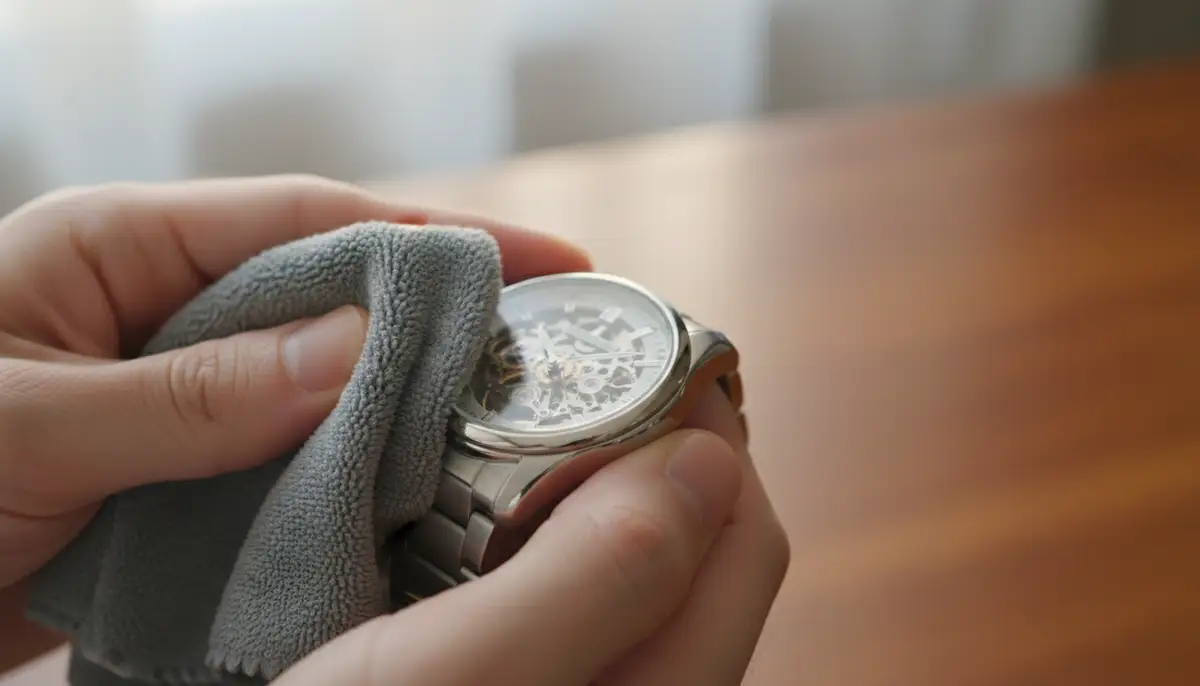
Dust and dirt can enter your watch through tiny gaps, especially around the crown. Once inside, they can clog the movement and cause friction. Always ensure the crown is pushed in or screwed down when not setting the time. Wipe your watch gently with a soft cloth regularly to remove surface dust.
Cleaning Your Automatic Watch: Keeping it Pristine
Regular cleaning is a fundamental aspect of how to care for an automatic watch. It keeps your timepiece looking its best and prevents debris from affecting its performance.
Gentle Cleaning for Case and Bracelet
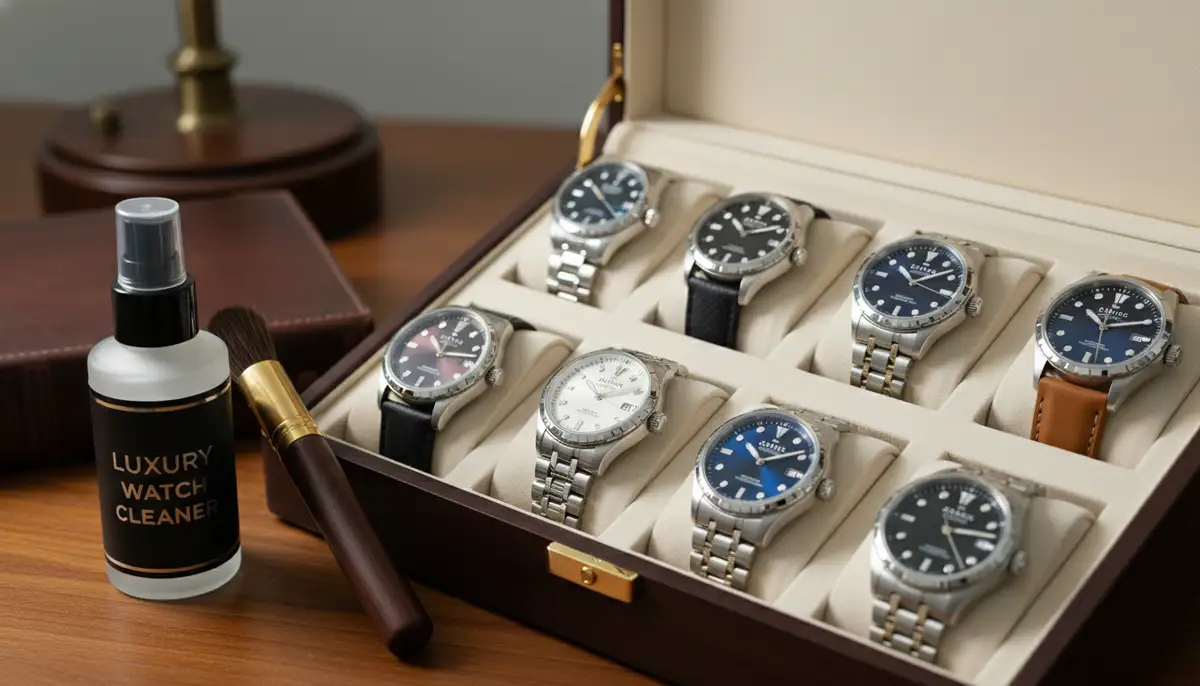
For the watch case and metal bracelet, a soft, lint-free microfiber cloth is your best friend. Wipe down your watch daily to remove fingerprints, sweat, and light dirt. For a deeper clean, especially for metal bracelets, you can use a very mild soap solution and a soft brush (like a toothbrush). Ensure your watch's water resistance rating allows for this. If it does, gently scrub the bracelet. Then, rinse it thoroughly with fresh water and dry it completely with a soft cloth. Make sure no moisture remains in the crevices.
Cleaning the Crystal
The watch crystal (the clear cover over the dial) can accumulate smudges and dirt. Use a clean microfiber cloth to wipe it gently. For stubborn marks, a tiny drop of water or a specialized watch crystal cleaner can be used. Avoid harsh chemicals, as they can damage the crystal's coating or the watch case. Always wipe in one direction to avoid scratching.
For more detailed advice on keeping your watch clean, including tips on avoiding moisture and professional servicing, check out this excellent resource on how to take care of your automatic watch.
Strap Care: Leather, Metal, and Rubber
The watch strap also requires attention. Leather straps are susceptible to sweat, oils, and water. Wipe them down with a dry cloth after each wear. Avoid prolonged exposure to moisture and direct sunlight, as these can cause the leather to crack or discolor. Consider having multiple straps to rotate, allowing leather straps to breathe and dry out completely.
Metal bracelets can be cleaned as described above. Rubber or silicone straps are more durable and easier to clean. A simple wipe with a damp cloth and mild soap is usually sufficient. Ensure they are completely dry before wearing again. Proper strap care enhances comfort and extends the life of your watch's overall look.
Storage Solutions: The Best Home for Your Automatic Watch
Proper storage is another critical component of how to care for an automatic watch, especially when you're not wearing it.
Watch Boxes
A good watch box protects your timepiece from dust, scratches, and accidental bumps. Look for a box with soft, padded compartments. This prevents watches from rubbing against each other. A watch box also keeps your collection organized and easily accessible. Store the box in a cool, dry place away from direct sunlight and strong magnetic fields.
Watch Winders: A Smart Investment
For watches you don't wear daily, a watch winder is an excellent solution. A watch winder is a device that gently rotates your automatic watch. This simulates the motion of your wrist, keeping the mainspring wound. This means your watch remains accurate and ready to wear at any time. It also keeps the internal lubricants evenly distributed, which is beneficial for the movement's health.
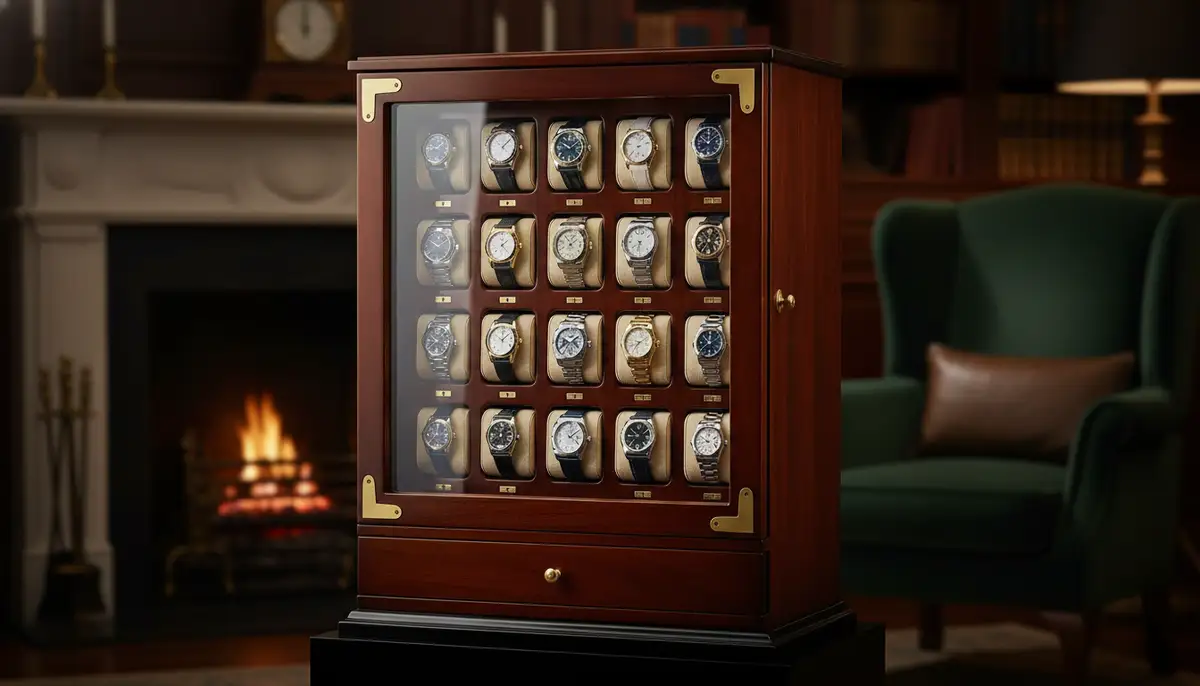
When choosing a watch winder, consider its settings. Different watches require different rotations per day (TPD) and directions (clockwise, counter-clockwise, or bi-directional). Consult your watch's manual for recommended settings. A quality winder, like those discussed in a guide on how to maintain an automatic watch daily, is a worthwhile investment for any automatic watch owner.
Regular Maintenance and Servicing: The Professional Touch
Even with the best daily care, your automatic watch needs professional attention. Regular servicing is paramount to how to care for an automatic watch over its lifetime.
When to Service Your Watch
Most manufacturers recommend servicing an automatic watch every 3 to 5 years. This interval can vary depending on the watch's movement, how often you wear it, and environmental conditions. Think of it like a car; regular oil changes and check-ups keep it running smoothly. The same applies to the tiny engine inside your watch.
What a Service Involves
A full service is a meticulous process performed by a skilled watchmaker. It typically includes:
- Disassembly: The watch is completely taken apart, piece by piece.
- Cleaning: All components are cleaned in specialized solutions to remove old lubricants and debris.
- Inspection: Each part is inspected for wear and tear. Worn parts are replaced with genuine ones.
- Lubrication: Fresh, high-quality lubricants are applied to all contact points.
- Reassembly: The watch is carefully put back together.
- Regulation: The movement is adjusted for optimal accuracy.
- Case and Bracelet Refurbishment: The case and bracelet are cleaned and polished.
- Water Resistance Test: Seals are checked and replaced, and the watch is tested for water integrity.
Finding a Reputable Watchmaker
Choosing the right watchmaker is crucial. Look for certified professionals or authorized service centers for your specific watch brand. Ask for references or check online reviews. A good watchmaker will provide a detailed estimate and explain the work needed. They understand the intricacies of how to care for an automatic watch.
Signs Your Watch Needs Service
Even if your service interval isn't up, watch for these signs:
- Inaccurate Timekeeping: If your watch is consistently running too fast or too slow.
- Power Reserve Issues: If it stops quickly after being fully wound.
- Stiff Crown: Difficulty winding or setting the time.
- Condensation: Moisture visible under the crystal.
- Unusual Noises: Any new or strange sounds from the movement.
| Service Type | Recommended Frequency | Key Benefits |
|---|---|---|
| Basic Check-up | Annually | Spot potential issues early, ensure seals are good |
| Full Movement Service | Every 3-5 years | Ensures optimal performance, replaces worn parts, re-lubricates |
| Water Resistance Test | Annually (if frequently exposed to water) | Verifies seal integrity, crucial for divers/swimmers |
Common Mistakes to Avoid When Caring for Your Automatic Watch
Knowing how to care for an automatic watch also means knowing what not to do. Avoiding these common pitfalls will save you headaches and repair costs.
Ignoring Water Resistance Ratings
Never assume your watch is fully waterproof. Always verify its specific water resistance rating. Exposing a 30m splash-resistant watch to a shower or pool can cause irreversible damage. Water damage is often costly to repair and may not be covered by warranty.
Setting Date/Time Incorrectly (The Danger Zone)
As mentioned, adjusting the date between 9 PM and 3 AM can severely damage the date change mechanism. Always follow the correct procedure: set the time to 6:30 AM, then adjust the date, then set the correct time. This simple step is critical for how to care for an automatic watch.
Exposing to Strong Magnets
Leaving your watch on top of a speaker, laptop, or even a magnetic closure on a bag can magnetize the movement. This leads to inaccurate timekeeping. Be mindful of where you place your watch. If it becomes magnetized, seek professional demagnetization promptly.
Dropping the Watch
This seems obvious, but accidents happen. A fall can easily misalign components, break pivots, or damage the balance wheel. Always handle your watch with care. When taking it off, place it on a soft surface or directly into its storage box or winder.
Using Harsh Chemicals for Cleaning
Do not use abrasive cleaners, solvents, or strong detergents on your watch. These can damage gaskets, coatings, and the finish of your watch case or strap. Stick to mild soap and water for water-resistant watches, or just a soft, dry cloth for others.
Advanced Tips for Enthusiasts: Elevating Your Automatic Watch Care
For those who truly love their automatic watches, there are additional steps you can take. These go beyond the basics of how to care for an automatic watch.
Understanding Movements and Complications
Delving deeper into the specific movement of your watch can be fascinating. Research your watch's caliber, its power reserve, and any special complications it might have. This knowledge helps you understand its nuances. It also informs specific care requirements. For instance, a perpetual calendar has different setting procedures than a simple three-hand watch.
Collecting Multiple Automatics
If you have a growing collection, managing their care becomes more complex. Rotating your watches ensures each one gets worn and stays wound. A well-organized watch box or multiple watch winders are essential. Keep a log of service dates for each watch. This helps you stay on top of maintenance schedules.
Beyond the Watch Itself: Digital Timepieces and Customization
While the focus here is on how to care for an automatic watch, the world of timekeeping has evolved. Many enthusiasts appreciate both traditional automatics and modern smartwatches. Companies like WatchMaker offer thousands of best faces for Apple Watch and Wear OS devices. These digital platforms allow for incredible customization, bringing a new dimension to how you experience time.
While automatic watches require physical care and attention, smartwatches offer a different kind of customization and interaction. You can change their 'face' to match your mood or outfit, much like you might choose a different strap for your automatic. Solutions from competitors like watchfacely.com, amoledwatchfaces.com, and buddywatch.app also offer a wide array of digital watch faces, showcasing the vibrant ecosystem of digital customization available today. This blend of traditional craftsmanship and modern technology truly offers the best of both worlds for watch aficionados.
FAQs: Your Questions on How to Care for an Automatic Watch Answered
Here are some common questions about automatic watch care.
Can I wear my automatic watch in the shower?
It's generally not recommended, even if your watch has a high water resistance rating. Hot water and steam can degrade gaskets over time. This makes your watch more susceptible to water damage. Always check your watch's specific water resistance rating. If it's not at least 100m, definitely keep it out of the shower.
How often should I wind my automatic watch if I don't wear it?
If you don't wear your watch for a few days, it will stop. You can manually wind it about 20-30 turns of the crown to get it running again. For longer periods, a watch winder is the best solution. It keeps the watch continuously wound and ready to wear. This is a key aspect of how to care for an automatic watch that isn't worn daily.
What is a watch winder and do I really need one?
A watch winder is a device that mimics the motion of your wrist. It keeps your automatic watch wound when you're not wearing it. You don't strictly need one if you only have one watch and wear it daily. However, if you have multiple automatic watches or don't wear a particular watch often, a winder is highly recommended. It saves you time setting the watch and helps maintain the movement's health by keeping lubricants flowing.
Can I open my automatic watch myself for cleaning or repair?
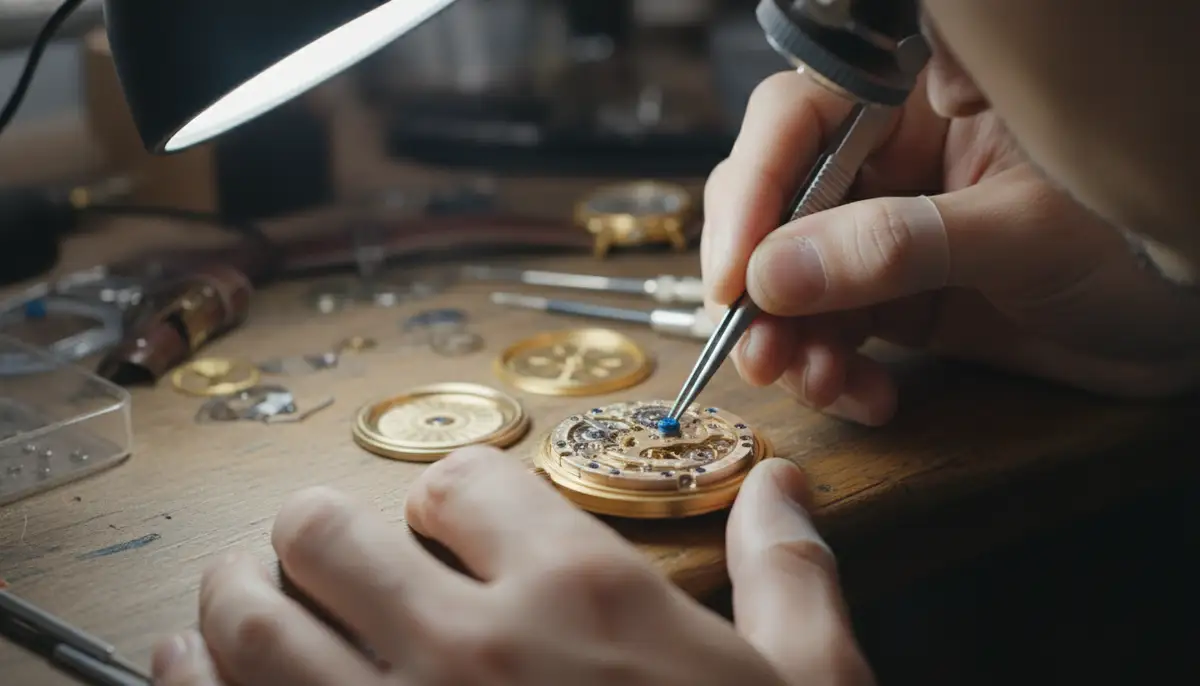
Absolutely not. Opening an automatic watch requires specialized tools, a dust-free environment, and expert knowledge. Attempting to open it yourself can introduce dust, damage delicate components, and void your warranty. Always trust a professional watchmaker for any internal work. This is a cardinal rule of how to care for an automatic watch.
Conclusion: The Art of Preserving Your Timepiece
Learning how to care for an automatic watch is an investment in its longevity and your enjoyment. These mechanical masterpieces are designed to last for generations. With proper daily habits, protection from environmental factors, regular cleaning, smart storage, and timely professional servicing, your automatic watch will continue to tell time beautifully for many years to come.
Treat your automatic watch with the respect it deserves. It's more than just a time-telling device; it's a piece of art, a feat of engineering, and a potential heirloom. By following this guide, you ensure that your treasured timepiece remains a reliable companion, ready for whatever adventures lie ahead. Embrace the journey of automatic watch ownership with confidence and care.
Related Posts

The Watch Face Mistake Almost Every New Garmin Owner Makes
There's a predictable arc to owning a new Garmin. Day one, you install a watch face that shows everything: heart rate, steps, battery, weather, two time zones,...

The Ultimate Apple Watch Strap Guide: Find Your Perfect Fit & Style in 2025
Introduction: Your Essential Apple Watch Strap Guide for 2025 Your Apple Watch is more than just a gadget. It's a personal statement, a fitness tracker, and a...