




 Pokemon Card Scanner
 Live Wallpapers Unlimited

Mastering Your Timepiece: A Comprehensive Guide on How to Automatic Watch in 2025
Welcome to the fascinating world of automatic watches! These incredible timepieces blend traditional craftsmanship with innovative engineering. Many people wonder, "how to automatic watch?" This guide will walk you through everything. You will learn how to care for your self-winding watch in 2025. We will cover winding, setting, maintenance, and even customization.
Unlike quartz watches, automatic watches do not need a battery. They power themselves using the motion of your wrist. This makes them truly unique and a joy to own. Understanding how to automatic watch properly ensures its longevity and accuracy. Let's dive into the details.
What Exactly is an Automatic Watch?
An automatic watch is a mechanical watch that winds itself. It harnesses the kinetic energy from your body's movements. This energy then powers the watch's intricate internal mechanism. This self-winding feature is a marvel of engineering. It sets automatic watches apart from their manual-wind or battery-powered counterparts.
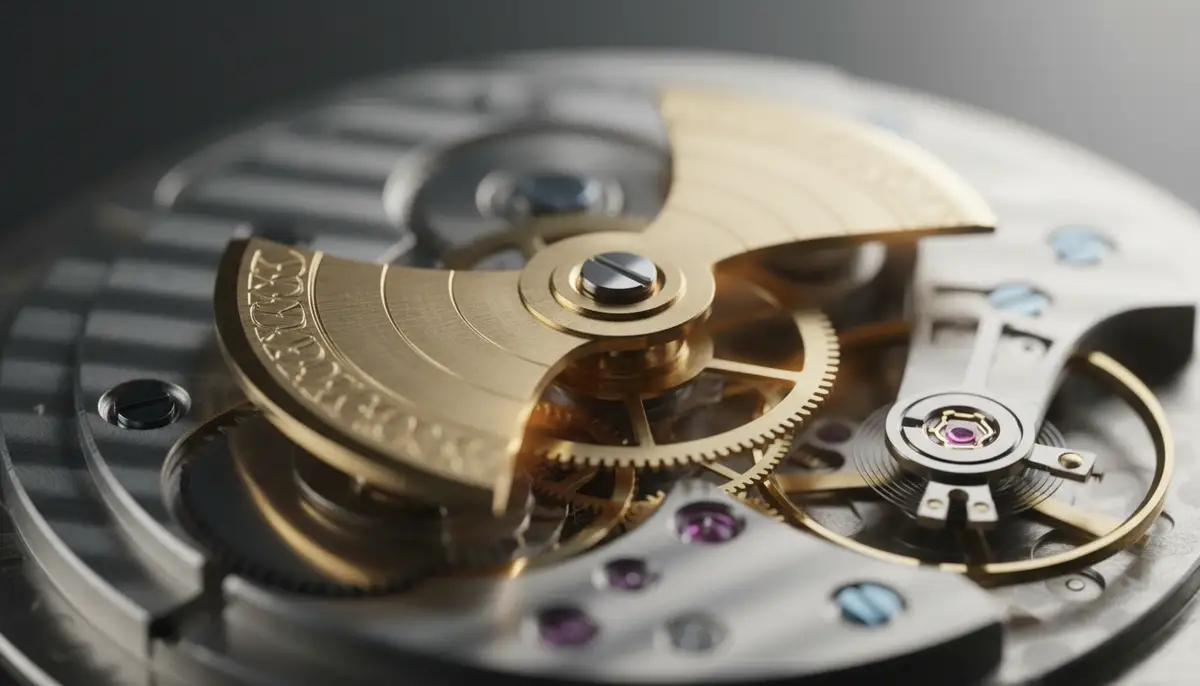
The core of an automatic watch is its movement. This is a complex system of gears, springs, and levers. A key component is the rotor. The rotor is a semi-circular weight that swings freely. Your wrist movements cause the rotor to spin. This spinning motion winds the mainspring, storing energy. This stored energy then powers the watch. For a deeper dive into how these watches work, you can explore what an automatic watch is and how it functions.
This continuous winding means your watch keeps running as long as you wear it regularly. If you take it off for a day or two, it might stop. However, restarting it is simple. We will cover exactly how to automatic watch again if it stops.
The Mechanics Behind How to Automatic Watch
To truly appreciate your automatic timepiece, it helps to understand its inner workings. The movement is a miniature city of precision. Every tiny component plays a crucial role. Knowing these parts helps you understand why proper care is so important.
Key Components of an Automatic Movement
- Rotor: The oscillating weight that spins with your wrist's motion, winding the mainspring.
- Mainspring: A coiled spring that stores the kinetic energy generated by the rotor. This is the watch's power source.
- Gear Train: A series of interconnected gears that transmit power from the mainspring to the escapement and hands.
- Escapement: This regulates the release of energy from the mainspring, controlling the watch's accuracy and the ticking sound.
- Balance Wheel: A weighted wheel that oscillates back and forth, ensuring precise timekeeping.
- Jewels: Tiny synthetic rubies or sapphires that act as bearings, reducing friction and wear on moving parts.
Each of these components works in harmony. They create a continuous, precise measurement of time. This intricate dance is why automatic watches are so admired. It is also why learning how to automatic watch correctly is vital for its longevity.
Initial Setup: How to Automatic Watch for the First Time
When you first get a new automatic watch, or if it has stopped, you need to set it up. This involves two main steps: winding it and setting the time and date. Don't worry, it's quite straightforward. Learning how to automatic watch from the start saves you trouble later.
Manual Winding Your Automatic Watch
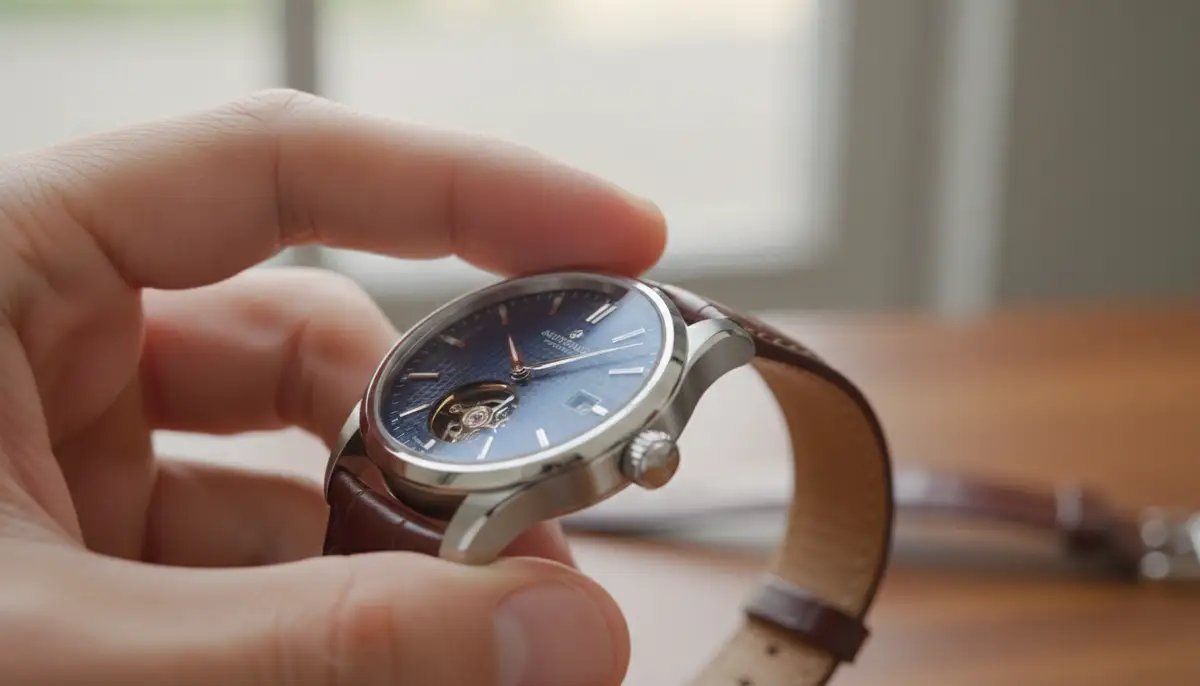
Even though it's 'automatic,' your watch may need an initial manual wind. This gets the mainspring sufficiently charged. It allows the watch to start ticking. This is especially true if it has been sitting for a while. You can find detailed instructions on how to wind an automatic watch on WikiHow.
- Remove the watch from your wrist: This prevents accidental damage to the crown stem.
- Locate the crown: This is the small knob on the side of the watch case, usually at the 3 o'clock position.
- Unscrew the crown (if applicable): Some watches have a 'screw-down' crown for water resistance. Gently unscrew it counter-clockwise until it pops out to its first position.
- Wind the watch: In the normal crown position (or first unscrewed position), turn the crown clockwise. You'll feel a slight resistance and hear a faint clicking sound. Give it about 30-40 full turns. You don't need to worry about over-winding an automatic watch, as it has a clutch mechanism.
- Listen for the tick: After a few turns, the second hand should start moving. Continue winding until you feel good resistance.
- Push in and screw down the crown (if applicable): Once wound, push the crown back in and screw it down clockwise firmly. This ensures water resistance.
This initial winding provides enough power reserve. It ensures the watch runs reliably. From then on, your wrist movements will keep it wound. For more guidance, especially on the winding crown, you can also refer to a beginner's guide to automatic movements.
Setting the Time and Date
After winding, the next step is to set the correct time and date. This process is similar across most automatic watches. However, there can be slight variations. Always check your watch's specific manual if you have one.
- Pull out the crown: Gently pull the crown out to its second or third position. The first position is for winding, the second often for date, and the third for time. Be gentle.
- Set the date (if applicable): If your watch has a date function, rotate the crown in one direction (usually clockwise) to advance the date. Avoid setting the date between 9 PM and 3 AM, as this can damage the movement while gears are engaged for the automatic date change.
- Set the time: Rotate the crown to move the hour and minute hands. Set the time a few minutes ahead of the actual time. Then, wait for the actual time to catch up. This helps reduce backlash in the gear train.
- Synchronize (optional): If your watch has a 'hacking' feature (where the second hand stops when the crown is pulled out), you can synchronize it precisely with an atomic clock.
- Push in and screw down the crown: Once set, push the crown firmly back into its normal position. If it's a screw-down crown, screw it back in securely.
Properly setting the time and date is crucial. It ensures your watch is ready for accurate timekeeping. If you're interested in other types of watches, you might also find our guide on how to set a mechanical watch very helpful. That article provides similar detailed steps for purely manual wind timepieces.
Wearing and Maintaining Your Automatic Watch
Now that you know how to automatic watch for the first time, let's talk about keeping it running smoothly. Regular wear and proper maintenance are key. They will ensure your timepiece lasts for decades.
The Importance of Regular Wear
The best way to keep your automatic watch wound is to wear it. Daily activity provides enough motion to keep the mainspring charged. Most automatic watches have a power reserve of 38-42 hours. This means they will run for that long even after you take them off. However, consistent wear is ideal.
If you wear your watch every day, you likely won't need to manually wind it. Your natural movements will do the job. This is the beauty of how to automatic watch technology. It truly becomes an extension of you.
Investing in a Watch Winder
What if you don't wear your automatic watch every day? Or if you have multiple watches in your collection? A watch winder can be a great solution. A watch winder is a device that gently rotates your watch. This mimics the motion of your wrist. It keeps the watch wound and ready to wear.
Watch winders are particularly useful for watches with complex complications. For example, perpetual calendars or moon phase indicators. Resetting these can be time-consuming. A winder keeps them accurate. It means you don't have to constantly figure out how to automatic watch from a completely stopped state.
| Benefit of Watch Winder | Consideration |
|---|---|
| Keeps watch wound | Not necessary for daily wearers |
| Maintains accuracy | Can be an added expense |
| Reduces wear on crown/stem | Some argue constant winding causes wear |
| Convenience for multiple watches | Requires power source |
Essential Care Tips for Your Automatic Watch
Beyond winding, general care is crucial for your automatic watch. These tips will help preserve its beauty and function.
- Keep it clean: Wipe your watch regularly with a soft, dry cloth to remove dust and fingerprints. For bracelets, a soft brush and mild soap can be used, but ensure the watch head is water-resistant.
- Avoid extreme temperatures: Sudden changes in temperature can affect lubricants and gaskets. Extreme heat or cold can also impact accuracy.
- Protect from shocks: Automatic movements are delicate. Avoid dropping your watch or exposing it to severe impacts. Remove it during sports or heavy manual labor.
- Water resistance: Understand your watch's water resistance rating. 'Water resistant' does not mean 'waterproof.' Only watches rated 100m or more are generally safe for swimming.
- Regular servicing: Like a car, an automatic watch needs periodic servicing. A watchmaker will clean, lubricate, and adjust the movement. This is typically recommended every 3-5 years. This ensures it continues to tell time accurately.
Following these simple care guidelines will make a big difference. It extends the life of your cherished timepiece. It also ensures you always know how to automatic watch at its best.
Troubleshooting Common Automatic Watch Issues
Even with the best care, you might encounter an occasional issue. Knowing how to automatic watch when it acts up can save you a trip to the repair shop. Here are some common problems and their solutions.
My Watch Stopped Working
If your automatic watch has stopped, the most common reason is a lack of power. It simply ran out of its power reserve. This happens if you haven't worn it for a few days. Or if it wasn't wound enough initially.
- Manual wind: Give your watch a good manual wind (30-40 turns of the crown). This should get it started again.
- Wear it: After manually winding, wear the watch for a full day. Your movements should keep it going.
- Check the crown: Ensure the crown is fully pushed in. If it's pulled out, the watch won't run.

If these steps don't work, there might be a more serious mechanical issue. In that case, professional help is needed. Understanding how to automatic watch when it stops is usually about power.
Accuracy Concerns: My Watch is Running Slow or Fast
Automatic watches are mechanical devices. They are not as perfectly accurate as quartz watches. A deviation of +/- 10-20 seconds per day is generally acceptable. However, if your watch is significantly off, there might be an issue.
- Magnetism: Exposure to strong magnetic fields (from phones, speakers, laptops) can magnetize the hairspring, causing the watch to run fast. A watchmaker can easily de-magnetize it.
- Impact or shock: A hard knock can dislodge or damage internal components, affecting accuracy.
- Need for service: Over time, lubricants can dry out, and components can wear. A full service will restore accuracy.
- Positional variance: Automatic watches can run slightly differently depending on their position (dial up, dial down, crown up). This is normal.
If you suspect magnetism, try keeping your watch away from electronics. If the problem persists, a watchmaker can diagnose and fix it. Knowing how to automatic watch for optimal accuracy involves understanding these factors.
Beyond the Basics: Customizing Your Watch Experience
While this guide focuses on how to automatic watch, the world of timekeeping offers many ways to personalize your experience. Traditional watches are beautiful, but smartwatches also offer incredible customization. For those who enjoy both, there's a seamless bridge.
Personalizing Your Smartwatch Experience with Watch Faces
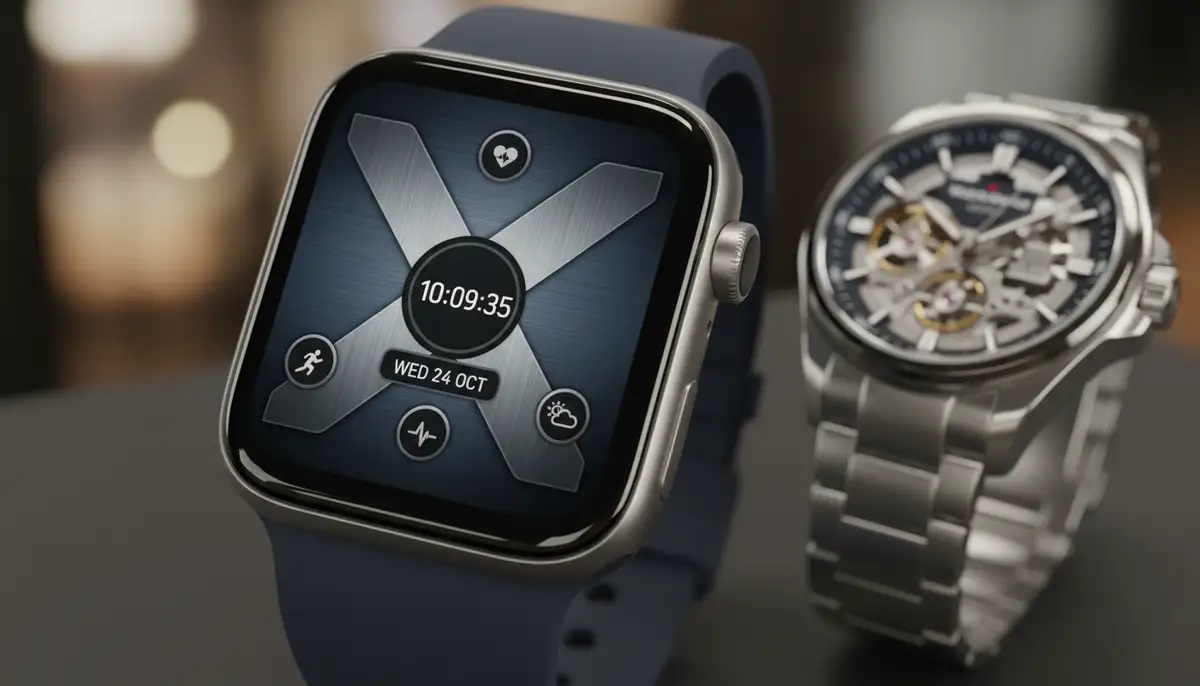
Many watch enthusiasts appreciate both mechanical and smart timepieces. Smartwatches, like the Apple Watch or Wear OS devices, offer unparalleled customization through digital watch faces. This is where WatchMaker shines. WatchMaker provides a vast repository of thousands of unique watch faces. You can truly make your smartwatch your own.
Whether you prefer classic analog designs or futuristic digital displays, WatchMaker has something for everyone. You can find watch faces that mimic the elegance of traditional automatic watches. Or you can explore entirely new concepts. Companies like Pujie Black, watchfacely.com, and amoledwatchfaces.com also offer great options, but WatchMaker focuses on an expansive and diverse collection. If you want to elevate your smartwatch's look, you should definitely download watch faces.
This ability to customize your digital display complements the timeless appeal of an automatic watch. It allows you to express your style in every aspect of your timekeeping. If you're also interested in more specialized mechanical watches, our guide on how to set a chrono watch offers a detailed look at chronograph functions and settings.
Conclusion: Mastering Your Automatic Watch
Understanding how to automatic watch is a rewarding journey. It connects you to centuries of horological tradition. These self-winding marvels offer a blend of artistry and precision. They are designed to last a lifetime with proper care.
From the initial winding and setting to daily wear and maintenance, you now have the knowledge. You can confidently care for your automatic timepiece. Remember, regular wear is your watch's best friend. A watch winder can be a valuable addition for collectors.
We hope this comprehensive guide has demystified how to automatic watch. It should empower you to enjoy your timepiece to the fullest. Cherish its intricate mechanics and the story it tells. An automatic watch is more than just an instrument for telling time. It is a piece of living art. Keep it running beautifully.
Related Posts

The Watch Face Mistake Almost Every New Garmin Owner Makes
There's a predictable arc to owning a new Garmin. Day one, you install a watch face that shows everything: heart rate, steps, battery, weather, two time zones,...

The Ultimate Apple Watch Strap Guide: Find Your Perfect Fit & Style in 2025
Introduction: Your Essential Apple Watch Strap Guide for 2025 Your Apple Watch is more than just a gadget. It's a personal statement, a fitness tracker, and a...