




 Pokemon Card Scanner
 Live Wallpapers Unlimited

Mastering Authenticity: Your 2025 Guide on How to Authenticate a Watch
Introduction: Why Knowing How to Authenticate a Watch is Crucial in 2025
In today's market, luxury watches represent significant investments. Whether you are a seasoned collector or a first-time buyer, understanding how to authenticate a watch is more important than ever. The rise of sophisticated counterfeits makes it challenging to tell a genuine timepiece from a fake. This comprehensive guide will equip you with the knowledge and tools to confidently determine if a watch is real in 2025 and beyond.
The global market for pre-owned luxury watches is booming. This growth, however, also fuels the counterfeit industry. You need to protect your investment. Learning how to authenticate a watch will save you from costly mistakes. It ensures you get the value you pay for and the prestige associated with a true luxury item.
The Evolving Landscape of Watch Counterfeits
Counterfeiters are becoming incredibly skilled. They use advanced manufacturing techniques to mimic even the finest details. Gone are the days of easily spotted 'fakes' with obvious flaws. Modern super clones can fool even experienced eyes. Therefore, knowing how to authenticate a watch requires a multi-faceted approach. You must look beyond the surface.
Digital advancements also play a role. Some fake watches now include fake QR codes or NFC tags. These might link to fraudulent websites. Always be skeptical and verify information through official channels. This guide will help you navigate these complex challenges.
Step-by-Step Guide: How to Authenticate a Watch
Authenticating a watch involves several key steps. You should approach this process systematically. Each detail, no matter how small, can reveal the truth. Let's dive into the essential methods for how to authenticate a watch.
1. Research the Watch Model Thoroughly
Before you even touch the watch, do your homework. Research is your first and most powerful tool. Every genuine luxury watch model has specific characteristics. You need to know them inside and out. This includes dial colors, font styles, hand shapes, case dimensions, and movement types.
- Official brand websites are your best resource for specifications.
- Look for high-resolution images of authentic models.
- Read forums and collector guides for common tells and variations.
- Understand the specific caliber (movement) that should be in that model.
Pay attention to production years. Some models have slight variations depending on their manufacturing period. A watch claiming to be from 2020 should not have features only seen in 2010 models. This foundational research is crucial for knowing how to authenticate a watch effectively. For more detailed insights on this initial step, consider reading expert advice on how to authenticate and verify the quality of pre-owned watches from trusted sources.
2. Verify the Seller's Authenticity and Reputation
The seller is often as important as the watch itself. A reputable seller provides peace of mind. Always buy from authorized dealers or well-established pre-owned watch specialists. Check their reviews and their history. A transparent seller will welcome your questions and provide documentation.
- Look for sellers with strong online reputations and positive customer feedback.
- Verify if they offer authentication guarantees or return policies.
- Ask about the watch's provenance (history of ownership and service).
Be wary of deals that seem too good to be true. They usually are. Private sellers on online marketplaces require extra caution. Always meet in a secure location. Never pay before you or an expert has thoroughly inspected the watch. This step is vital when learning how to authenticate a watch for a purchase.
3. Meticulous Physical Inspection: The Watch's Exterior
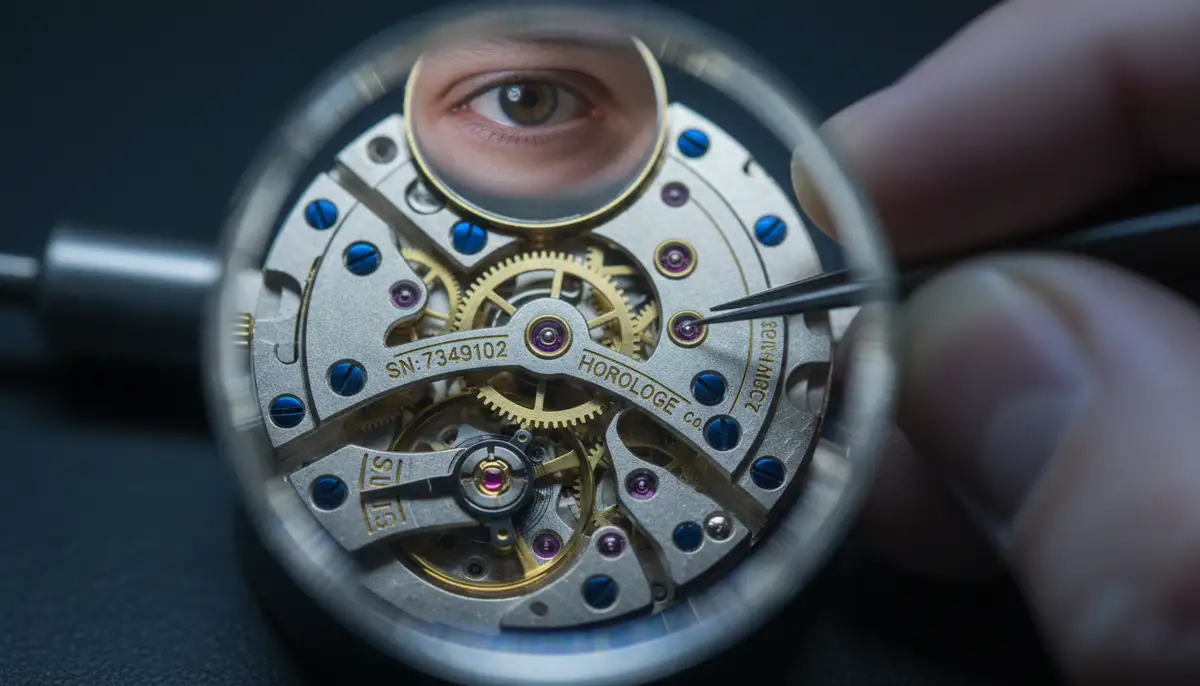
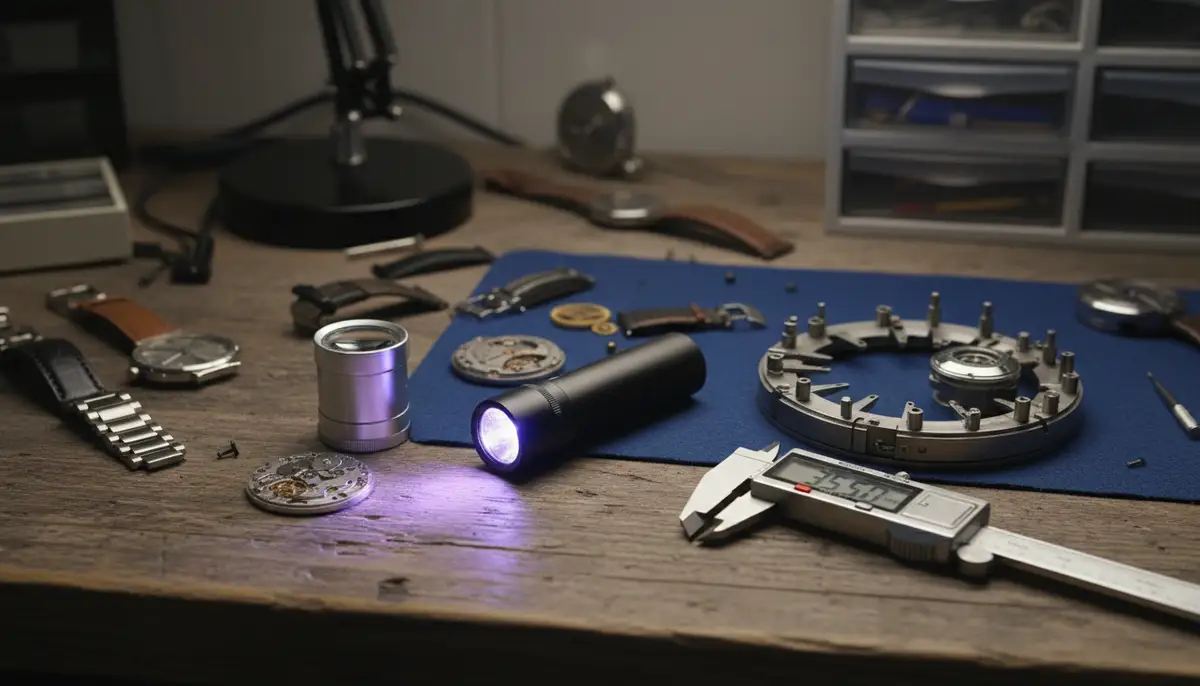
This is where your research comes into play. You will compare the watch in hand to your gathered information. A jeweler's loupe (10x magnification) is indispensable here. You need to scrutinize every visible part.
Genuine luxury watches have flawless dials. Examine the brand logo, text, and markers. Are they crisp and perfectly aligned? Fakes often have blurry printing, misaligned markers, or incorrect fonts. The spacing between letters should be consistent. Check for any dust or imperfections under the crystal. Luxury brands maintain incredibly high standards for their dials.
The hands should also be perfect. Look at their finish and shape. They should match official images. Lume application (the glow-in-the-dark material) should be even and bright. Inconsistent lume is a major red flag when you are trying to understand how to authenticate a watch.
The watch case should have a high-quality finish. Edges should be sharp or smoothly polished as intended by the brand. Counterfeits often have rougher finishes or incorrect proportions. The crown (the knob on the side) is another key area. It should operate smoothly. The logo on the crown should be perfectly etched or embossed. Feel the weight of the watch. Luxury watches use high-quality materials and often feel substantial.
Most luxury watches use sapphire crystal. This material is very scratch-resistant. You can test it with a drop of water. Water should bead up perfectly on sapphire. On mineral glass (often used in fakes), it will spread more. Some brands also have tiny laser-etched logos on their crystals, often at the 6 o'clock position. These are nearly invisible to the naked eye but clear with a loupe.
Genuine bracelets are solid and well-constructed. The links should not rattle excessively. The clasp should operate smoothly and securely. Logos and engravings on the clasp should be precise. Fake bracelets often feel flimsy and have poor finishing. If it's a leather strap, check the quality of the leather and the stitching. High-end brands use premium materials and impeccable craftsmanship. Paying attention to brand-specific details such as logos, engraved details, branding, and serial numbers is a reliable way to know for sure if a watch is real.
4. Inspecting the Engravings and Serial Numbers
Engravings and serial numbers are crucial identifiers. They tell a watch's unique story. Every genuine luxury watch has a unique serial number. This number can often be cross-referenced with the manufacturer's database. This step is paramount when learning how to authenticate a watch.
Locate the serial number. It's usually on the case back, between the lugs, or sometimes on the movement itself. The engraving should be sharp, deep, and precisely spaced. Fakes often have shallow, poorly etched, or incorrect serial numbers. Compare the serial number to any included papers or warranty cards. They must match exactly.
Examine all other engravings. This includes the brand name, model number, and material hallmarks (e.g., '925' for silver, '750' for 18k gold). These should be crisp and correctly spelled. Misspellings are an obvious sign of a fake. The quality of these engravings reflects the brand's commitment to detail. This is a key part of how to authenticate a watch.
5. The Heart of the Watch: The Movement
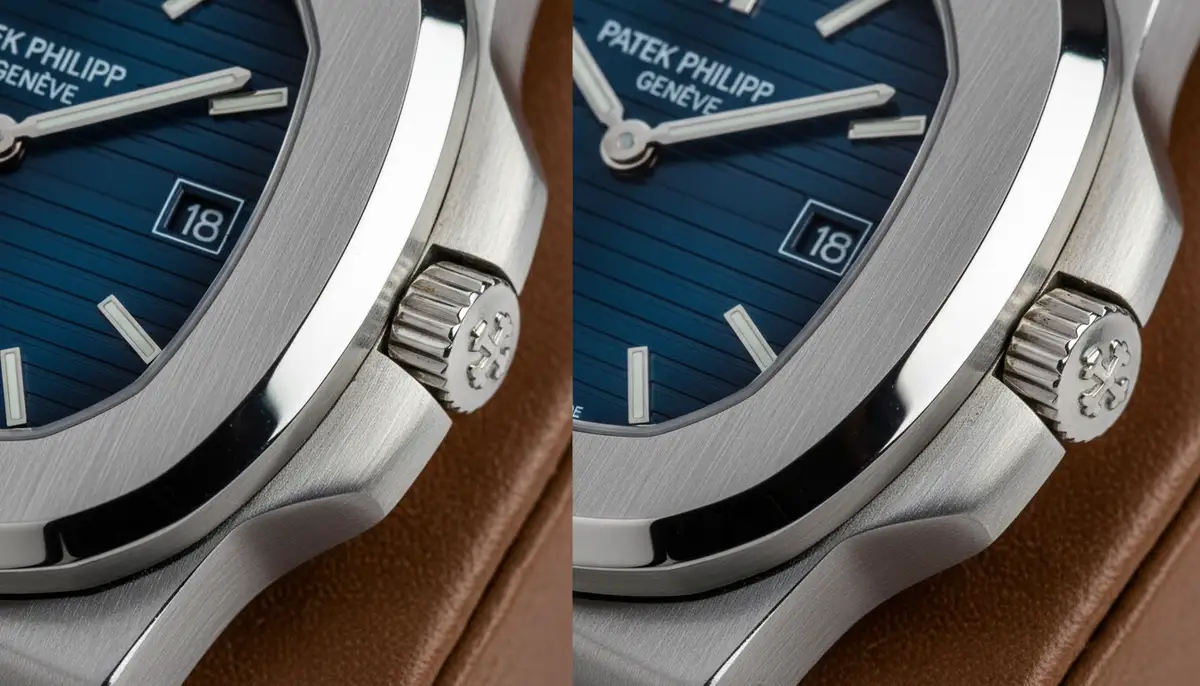
The movement is the engine of the watch. It is the most complex part to replicate perfectly. If you can, inspect the movement. Many luxury watches have exhibition case backs. This allows you to see the movement without opening the watch. For others, a qualified watchmaker will need to open the case.
Look for specific finishes. Genuine luxury movements often feature intricate decorations like Geneva stripes, perlage, or anglage. Screws should be blued (thermally treated for color and hardness) or polished. Engravings on the movement, such as the brand name, caliber number, and jewel count, should be sharp and clear. Fakes often have crude, undecorated movements, or incorrect caliber numbers. This is a critical aspect of how to authenticate a watch.
- Compare the movement to official images of the correct caliber.
- Check for proper alignment and finish of all components.
- Listen to the watch's 'beat.' A smooth, consistent tick is a good sign.
For mechanical watches, the sweep of the second hand should be smooth, not a jerky tick. This is characteristic of high-beat movements. If you're interested in understanding the mechanics, you might find our guide on how to set mechanical watch valuable. If you're dealing with a chronograph, our article on how to set chrono watch offers further insights into complex movements.
A genuine luxury watch keeps excellent time. Test its accuracy over 24 hours. Most mechanical watches should be within a few seconds per day. Significant deviations could indicate a fake or a watch in need of service. A professional watchmaker can measure its accuracy with specialized equipment.
6. Documentation and Packaging: The Supporting Evidence
Authentic luxury watches come with specific documentation. This includes warranty cards, instruction manuals, and certificates of authenticity. The packaging itself is also important. These details contribute to knowing how to authenticate a watch.
The warranty card should be correctly filled out. It should have the watch's serial number and the date of purchase. Check for any holographic seals or special printing. Counterfeit papers often look cheap, have misspellings, or incorrect information. Always cross-reference serial numbers on the papers with the watch itself.
Luxury watches come in high-quality boxes. These boxes are often made of fine wood or leather. They will have precise branding and a luxurious feel. Fakes often come in flimsy, poorly made boxes. Check for correct logos and materials. Any included tools or accessories should also be of high quality.
7. Digital Authentication Methods (2025 and Beyond)
As technology advances, so do authentication methods. Many brands are now integrating digital verification. This helps you understand how to authenticate a watch using modern tools. These methods offer an extra layer of security.
Some high-end brands use blockchain technology. They embed NFC (Near Field Communication) tags into their watches or warranty cards. You can scan these with your smartphone. The tag links to a secure blockchain record. This record verifies the watch's authenticity and ownership history. Always use the brand's official app for scanning. Do not trust third-party apps unless explicitly recommended by the brand.
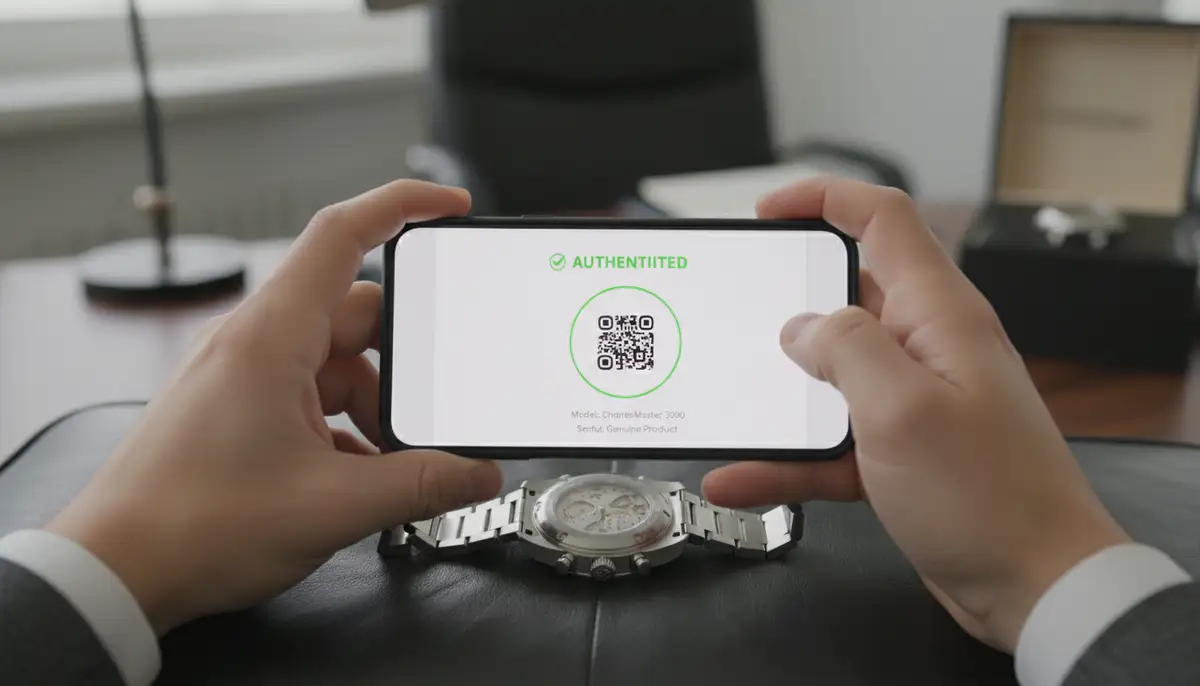
Many manufacturers offer dedicated apps. These allow you to register your watch and verify its serial number. Always access these directly from the official brand website or reputable app stores. Be cautious of fake apps designed to mislead you. This digital verification is becoming a standard part of how to authenticate a watch.
8. Seek Professional Authentication
When in doubt, always consult a professional. An independent watch expert or an authorized service center can provide definitive authentication. They have specialized tools, training, and access to brand-specific information. This is the safest way to know how to authenticate a watch, especially for high-value pieces.
- Find a certified watchmaker or a reputable luxury watch dealer.
- Ensure they are independent or authorized by the specific brand.
- Be prepared for a fee, as this service requires expertise and time.
A professional can open the case back. They can examine the movement in detail. They can also check for any replaced or non-original parts. This level of inspection is often beyond what an average buyer can perform. Experts can also help you find out if a watch is real by explaining common ways to authenticate a luxury watch and identify a counterfeit luxury watch.
Common Red Flags When Trying to Authenticate a Watch
Beyond the detailed inspection, certain general signs should always raise your suspicion. These red flags are common indicators that you might be dealing with a counterfeit. Knowing these can quickly help you decide how to authenticate a watch more efficiently.
| Red Flag | Why It's a Problem |
|---|---|
| Price Too Low | Luxury watches hold their value. A significantly discounted price is often a sign of a fake. |
| Poor Quality Finish | Blurry printing, rough edges, misaligned markers, or cheap-feeling materials are clear indicators of a counterfeit. |
| Incorrect Weight | Fakes often use cheaper materials, making them feel lighter or heavier than an authentic watch. |
| Jerky Second Hand (for mechanical) | Most luxury mechanical watches have smooth sweeping second hands. A jerky motion can indicate a cheap quartz movement. |
| No Documentation or Box | While not always a deal-breaker for vintage watches, the absence of original papers and packaging for newer watches is suspicious. |
| Seller Reluctance | A seller unwilling to provide clear photos, answer questions, or allow professional inspection is likely hiding something. |
| Misspellings or Incorrect Logos | Any misspelling on the dial, case, or documentation is an immediate red flag. Incorrect brand logos are also a giveaway. |
| Functions Don't Work | Some fake chronographs have pushers that don't actually operate the chronograph function, or date wheels that don't advance correctly. |
The Role of Digital Customization in Watch Ownership
While authenticating physical watches is crucial, the world of digital watch faces also offers unique opportunities for personalization. For smartwatches like Apple Watch and Wear OS devices, customization is key. Companies like WatchMaker provide thousands of watch faces. These allow you to express your style daily. You can find everything from classic designs to modern, intricate displays. This adds a new dimension to how we interact with our timepieces.
Even for those who cherish traditional watches, smartwatches offer a versatile alternative. They complement your collection. Just as you seek authenticity in a physical watch, you seek quality in digital watch faces. WatchMaker offers a vast repository of high-quality designs. You can even create your own. This blend of traditional and modern horology allows for a truly personalized experience. Feel free to explore and download watch faces to personalize your digital timepiece.
When it comes to digital watch faces, there are several platforms available. Beyond WatchMaker, you might encounter offerings from companies like watchfacely.com, amoledwatchfaces.com, and buddywatch.app. Each platform aims to provide unique designs and user experiences. WatchMaker, however, prides itself on its extensive selection and robust customization tools. This allows users to truly make their smartwatch their own, reflecting their personal style and preferences.
While the authentication process for a physical watch is about verifying its genuine nature, selecting a digital watch face is about verifying its quality and functionality. Just as you scrutinize the details of a luxury timepiece, you should look for well-designed, functional, and visually appealing watch faces that enhance your smartwatch experience. The goal is always to ensure you are getting a product that meets your expectations for quality and authenticity, whether physical or digital.
Final Thoughts on How to Authenticate a Watch
Learning how to authenticate a watch is an ongoing process. The counterfeit market constantly evolves. Stay informed and remain vigilant. Always combine your personal inspection with expert advice when necessary. Your diligence will protect your investment. It will also ensure you enjoy the true craftsmanship of a genuine timepiece.
Remember, authenticity is not just about value. It's about preserving the art and history of watchmaking. By knowing how to authenticate a watch, you contribute to upholding the integrity of the industry. You also ensure that your passion for horology is well-placed. Happy collecting!
Related Posts

The Watch Face Mistake Almost Every New Garmin Owner Makes
There's a predictable arc to owning a new Garmin. Day one, you install a watch face that shows everything: heart rate, steps, battery, weather, two time zones,...

The Ultimate Apple Watch Strap Guide: Find Your Perfect Fit & Style in 2025
Introduction: Your Essential Apple Watch Strap Guide for 2025 Your Apple Watch is more than just a gadget. It's a personal statement, a fitness tracker, and a...