




 Pokemon Card Scanner
 Live Wallpapers Unlimited
How Do Quartz Watches Work: The Precision Behind Your Everyday Timepiece in 2025
Unlocking the Mystery: How Do Quartz Watches Work?
Have you ever stopped to think about the incredible technology on your wrist? Most likely, you own a quartz watch. These timepieces are incredibly common and reliable. But have you ever truly wondered how do quartz watches work? It's a fascinating blend of physics and electronics that delivers remarkable accuracy. In 2025, understanding this core technology helps you appreciate your daily timekeeper.
Quartz watches are a cornerstone of modern horology. They offer precision and affordability that mechanical watches often can't match. This guide will take you on a journey. You'll explore the inner workings of these ubiquitous devices. We'll break down each component and its role. You'll gain a deep understanding of this essential technology.
The Heart of the Matter: The Quartz Crystal
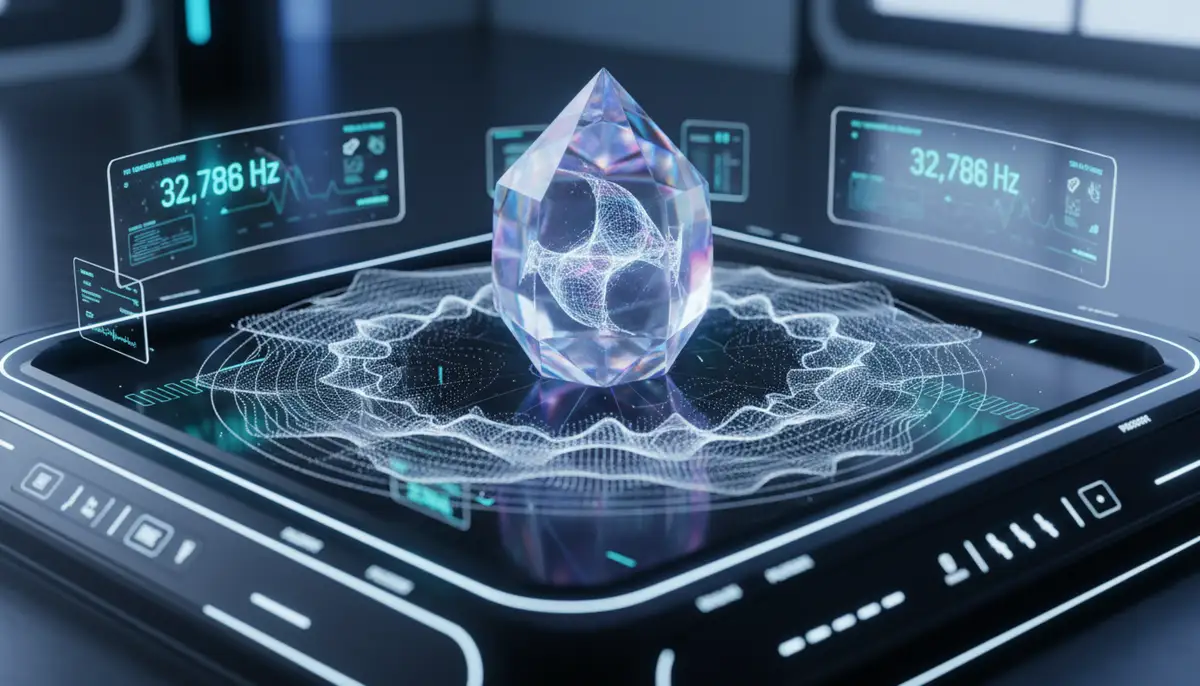
At the very core of how do quartz watches work lies a tiny, unassuming component: the quartz crystal. This isn't just any crystal. It's a specially cut and shaped piece of quartz, often synthetic. Its unique property, known as the piezoelectric effect, is what makes it so special. When you apply an electric current to quartz, it vibrates. Conversely, when it vibrates, it generates an electric current. This two-way street is crucial.
In a quartz watch, a small battery provides the initial electrical impulse. This impulse causes the quartz crystal to oscillate. Think of it like a tiny, perfectly tuned tuning fork. The crystal vibrates at an incredibly precise and consistent frequency. This frequency is usually 32,768 times per second (Hertz or Hz). This high, stable frequency is the secret to a quartz watch's accuracy. You can learn more about the broader history and science of quartz clocks and their principles on Wikipedia.
From Vibrations to Time: The Electronic Circuitry
So, we have a vibrating crystal. How does this translate into telling time? This is where the watch's electronic circuit comes into play. The crystal's vibrations generate a tiny electrical signal. This signal is then fed into an integrated circuit (IC). The IC acts as the watch's brain. It performs several vital functions to ensure accuracy.
First, the IC amplifies the weak signal from the quartz crystal. Then, it divides the high frequency. Remember that 32,768 Hz? The IC divides this frequency down repeatedly. It halves it again and again. It continues until it reaches a much slower, usable pulse. This pulse is typically one pulse per second. This one-second pulse is the heartbeat of your watch. It dictates how precisely the hands move or the digital display updates.
The process of frequency division is a marvel of miniaturization. It allows a small battery to power a very complex operation. This is a key part of how do quartz watches work efficiently. Companies like Nixon explain that quartz watches use battery power to stimulate the quartz crystal with electricity. This stimulation is constant and precise.
The Stepping Motor: Bringing Movement to Life
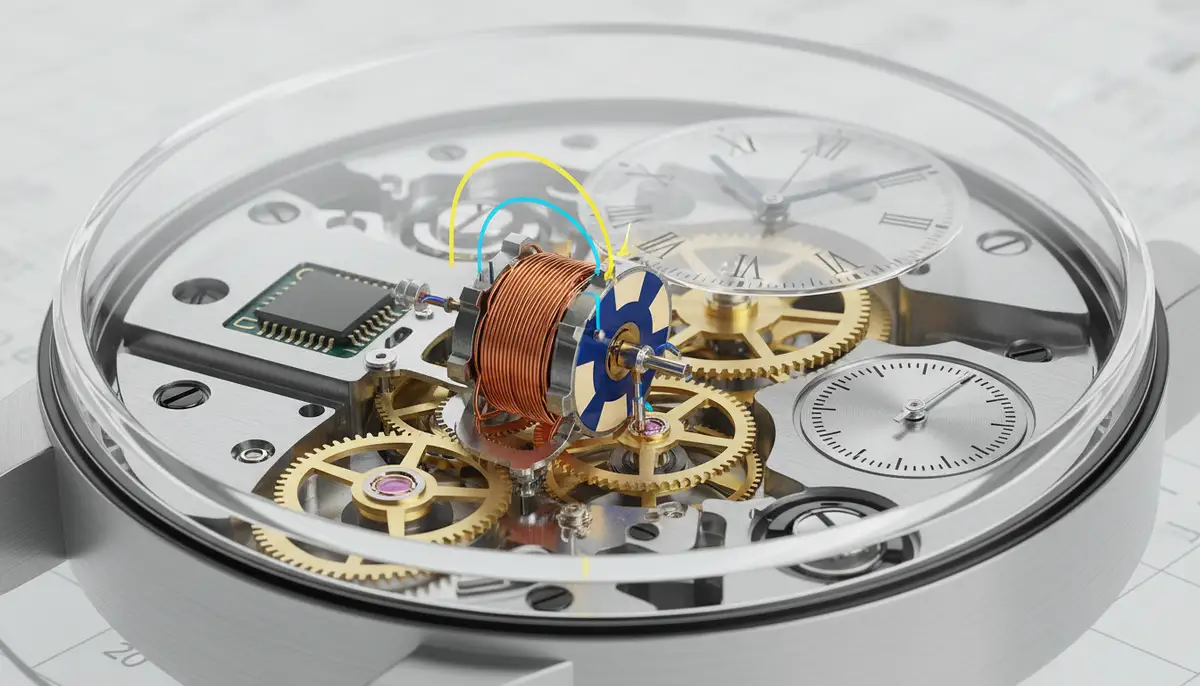
Once the IC generates those one-second pulses, something needs to convert them into physical movement. This is the job of the stepping motor. In an analog quartz watch, the stepping motor is a tiny, electromechanical device. Each one-second electrical pulse from the IC activates the stepping motor. This causes it to rotate a small amount. This rotation is precise and incremental. It's designed to advance the watch's gear train.
The stepping motor is often a miniature version of a stepper motor. It has a rotor with magnets and coils of wire. When current flows through the coils, it creates a magnetic field. This field then pushes or pulls the rotor. This controlled movement is what drives the watch hands. Without the stepping motor, the electrical pulses would remain just that – pulses. They wouldn't translate into visible timekeeping. This mechanical conversion is a crucial step in understanding how do quartz watches work.
The Gear Train and Display: Showing the Time
The small rotations of the stepping motor are then transmitted to the gear train. This is a series of interconnected gears. These gears are carefully designed to multiply the rotation. They reduce the speed of movement. This allows the watch hands to move at the correct rates. The second hand moves once per second. The minute hand moves once per minute. The hour hand moves once per hour. This mechanical reduction is a classic component of all watches. It ensures proper time display.
For analog quartz watches, the gear train directly moves the hour, minute, and second hands across the watch face. For digital quartz watches, the one-second pulses from the IC directly update a liquid crystal display (LCD) or other digital screen. There's no stepping motor or gear train needed for digital displays. This is a key difference. Both methods, however, rely on the same fundamental principle of the vibrating quartz crystal. They both answer the question of how do quartz watches work.
If you're interested in how different watch types display time, you might find our guide on analog watch vs chronograph watches very insightful. It dives into how various complications affect time display.
Key Components of a Quartz Watch: A Quick Overview
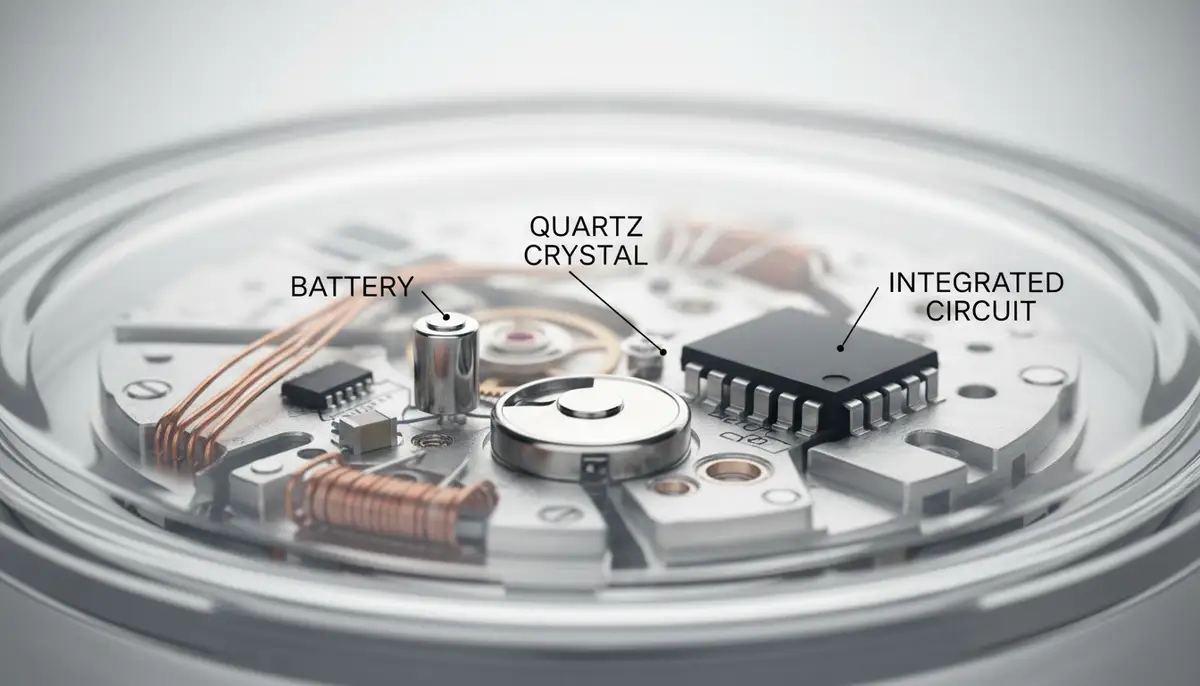
To summarize, several key components work in harmony. They ensure your quartz watch keeps perfect time. Each part plays a vital role. Understanding them helps grasp the full picture of how do quartz watches work.
- Battery: Provides the electrical power source for the entire mechanism.
- Quartz Crystal: A specially cut crystal that vibrates at a precise frequency (32,768 Hz) when an electric current is applied, thanks to the piezoelectric effect.
- Oscillator Circuit (IC): Amplifies the crystal's vibrations and divides the frequency down to a one-second pulse.
- Stepping Motor: Converts the one-second electrical pulses into small, incremental mechanical movements.
- Gear Train: A series of gears that transmit and multiply the motor's movement to drive the watch hands.
- Watch Hands/Digital Display: Visually presents the time to the user.
The Precision Advantage: Why Quartz Reigns Supreme
The precision of quartz watches is truly remarkable. The consistent vibration of the quartz crystal is incredibly stable. It's far more stable than the mechanical balance wheel found in traditional watches. This stability translates directly into accuracy. Most quartz watches are accurate to within a few seconds per month. Some high-end quartz movements can be even more precise. They might only lose or gain a few seconds per year. This level of accuracy is a major reason for their widespread popularity.
Additionally, quartz watches are generally more durable than mechanical watches. They have fewer moving parts. This means less friction and wear over time. They are also less susceptible to impacts and magnetic fields. This makes them ideal for everyday wear. They are truly workhorse timepieces. The simplicity of how do quartz watches work also contributes to their lower manufacturing cost. This makes them accessible to almost everyone.
Quartz vs. Mechanical: A Brief Comparison
It's helpful to compare quartz watches with their mechanical counterparts. Mechanical watches rely on springs, gears, and an oscillating balance wheel. They are intricate works of art. However, they are typically less accurate and more expensive. They also require regular servicing. Quartz watches, on the other hand, prioritize accuracy and low maintenance. They offer a different kind of value proposition. For a deeper dive, check out our article on analog watch vs quartz to understand the ultimate showdown.
| Feature | Quartz Watch | Mechanical Watch |
|---|---|---|
| Power Source | Battery | Mainspring (wound manually or automatically) |
| Accuracy | High (seconds/month) | Moderate (seconds/day) |
| Complexity | Electronic components, fewer moving parts | Hundreds of intricate mechanical parts |
| Maintenance | Battery replacement every few years | Regular servicing (every 3-5 years) |
| Cost | Generally lower | Generally higher |
| Movement | Smooth (digital) or distinct tick (analog) | Sweeping (analog) |
The Evolution of Quartz: Beyond Basic Timekeeping
While the fundamental principles of how do quartz watches work remain the same, the technology has evolved. Modern quartz watches offer much more than just telling time. You can find chronographs, alarms, calendars, and even GPS functions. Many smartwatches today also rely on quartz oscillators for their core timekeeping functions. This ensures accuracy while integrating advanced digital features. The versatility of quartz technology is truly impressive.
The integration of quartz into smartwatches highlights its enduring relevance. Even with touchscreens and advanced sensors, precise timekeeping is paramount. The humble quartz crystal still plays a crucial role. It provides the stable frequency reference needed for all time-based operations. This makes quartz a silent workhorse in the digital age. The team at ASM International provides an excellent video explanation of how a quartz watch's battery sends voltage to a tiny quartz tuning fork, causing it to vibrate precisely.
Maintaining Your Quartz Watch: Simple Steps for Longevity
Understanding how do quartz watches work also helps you care for them. Quartz watches are low-maintenance. However, a few simple steps can ensure their longevity. The most common maintenance task is battery replacement. When your watch starts to slow down or stop, it's usually time for a new battery. You can often do this yourself. Or, a professional jeweler or watchmaker can do it quickly and affordably. Always ensure the watch is properly sealed after a battery change, especially if it's water-resistant.
Beyond battery changes, keep your watch clean. Use a soft cloth to wipe away dirt and grime. Avoid exposing it to extreme temperatures or harsh chemicals. If your watch has a digital display or smart features, keep its software updated. This ensures optimal performance. These simple habits will keep your quartz watch ticking accurately for many years to come. It's amazing how a little care can extend the life of such a precise instrument.
Customizing Your Time: Quartz Watches and Digital Faces
In 2025, the world of watches extends far beyond traditional analog displays. Many modern quartz watches, especially smartwatches, offer incredible customization options. You can personalize your watch face to match your style, mood, or even your health goals. This is where platforms like WatchMaker come in. We offer thousands of health watch faces for Apple Watch and WearOS devices. You can find designs that display heart rate, step count, calories burned, and more. This blends the precision of quartz with cutting-edge design.
Whether you prefer a classic, minimalist look or a vibrant, data-rich display, the options are endless. You can explore various watch face creators. Companies like Pujie Black, facer.io, and amoledwatchfaces.com also offer a wide array of choices. However, WatchMaker prides itself on an extensive and diverse collection. We provide unique designs that cater to every taste and need. This allows you to truly make your timepiece your own. It's a testament to how adaptable and personal modern watch technology has become.
The Enduring Legacy of Quartz Technology
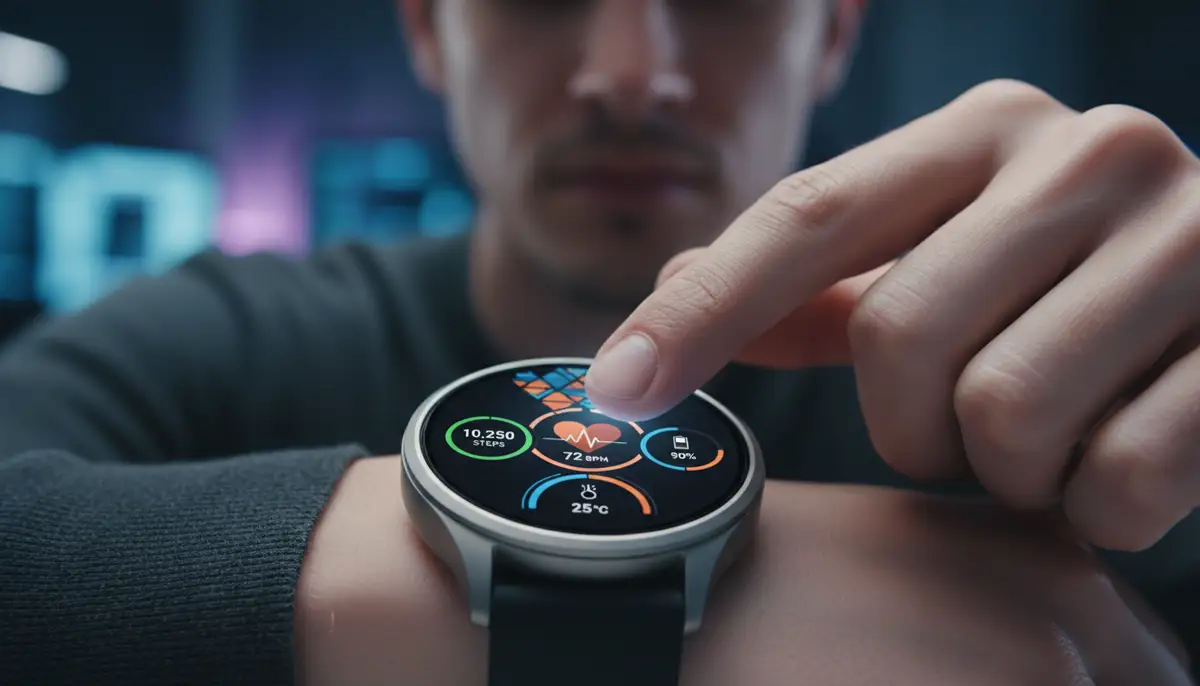
The invention of the quartz watch revolutionized the industry. It made accurate timekeeping accessible to the masses. Even with the rise of smartwatches, the core principles of how do quartz watches work remain fundamental. The tiny, vibrating quartz crystal is a marvel of engineering. It provides the unwavering pulse that drives billions of timepieces worldwide. From simple analog models to complex digital devices, quartz technology is ubiquitous. It continues to be a reliable foundation for personal timekeeping.
Next time you glance at your wrist, take a moment to appreciate the intricate dance of physics and electronics happening within. The humble quartz crystal, powered by a small battery, is tirelessly working. It ensures you stay on schedule. It's a testament to human ingenuity. The answer to how do quartz watches work is a story of precision, innovation, and enduring reliability. This technology continues to shape our perception and management of time in the modern world.
Related Posts

The Watch Face Mistake Almost Every New Garmin Owner Makes
There's a predictable arc to owning a new Garmin. Day one, you install a watch face that shows everything: heart rate, steps, battery, weather, two time zones,...

The Ultimate Apple Watch Strap Guide: Find Your Perfect Fit & Style in 2025
Introduction: Your Essential Apple Watch Strap Guide for 2025 Your Apple Watch is more than just a gadget. It's a personal statement, a fitness tracker, and a...