
 Pokemon Card Scanner
 Live Wallpapers Unlimited




Analog Watch vs Chronograph Watches: A Comprehensive Guide for 2025
Analog Watch vs Chronograph Watches: Your Ultimate 2025 Guide
Choosing a new timepiece can feel overwhelming. You have countless styles and functions to consider. One common decision point is the classic debate: analog watch vs chronograph watches. Both offer unique appeals and functionalities. Understanding their core differences helps you pick the perfect watch for your wrist and lifestyle in 2025. This guide will break down everything you need to know about analog watch vs chronograph watches.
What is an Analog Watch?
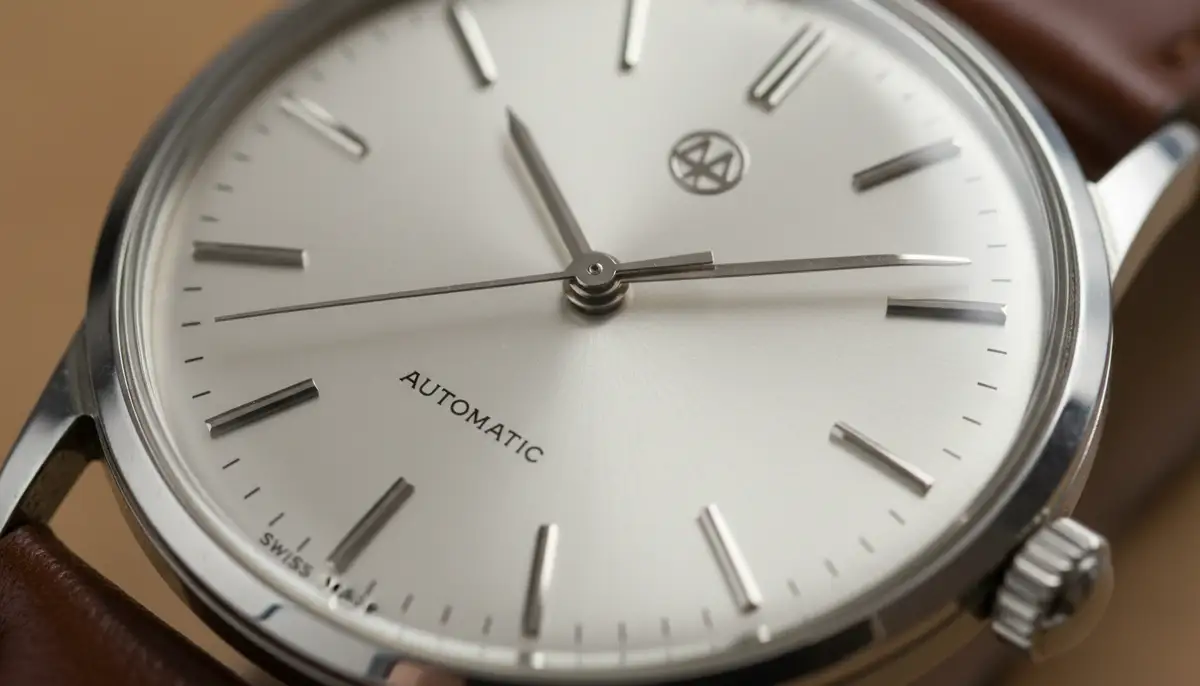
An analog watch is perhaps the most traditional type of timepiece. It tells time using hands that move across a dial. These hands point to numbers or markers, showing the hours, minutes, and sometimes seconds. Think of a classic wall clock, but on your wrist. Many people appreciate the simplicity and timeless elegance of an analog watch.
The primary function of an analog watch is straightforward time-telling. It focuses on clarity and readability. You usually find a clean dial, often with minimal complications. This design choice makes analog watches incredibly versatile. They suit almost any occasion, from casual outings to formal events. If you want to learn more about different watch display types, check out our comprehensive guide on digital vs analog watch displays.
Key Characteristics of Analog Watches
- Simple time display with hour, minute, and sometimes second hands.
- Classic and often minimalist aesthetic.
- Easy to read at a glance for basic time.
- Available in a vast array of styles, from dressy to sporty.
- Can be mechanical, automatic, or quartz-powered.
Many analog watches feature a date window. Some might include a day of the week display. However, they generally avoid complex additional functions. Their beauty lies in their focus. They tell you the time, and they do it with style. This simplicity often translates to a more refined and elegant look. As Tornado Store explains, an analog watch typically has just two hands for hours and minutes, without extra dials.
What is a Chronograph Watch?
A chronograph watch is much more than just a time teller. It combines a standard time display with a stopwatch function. The word 'chronograph' comes from Greek words 'chronos' (time) and 'grapho' (to write). This means 'time writer.' It allows you to measure elapsed time independently of the main time display. This feature makes it highly functional for specific tasks.
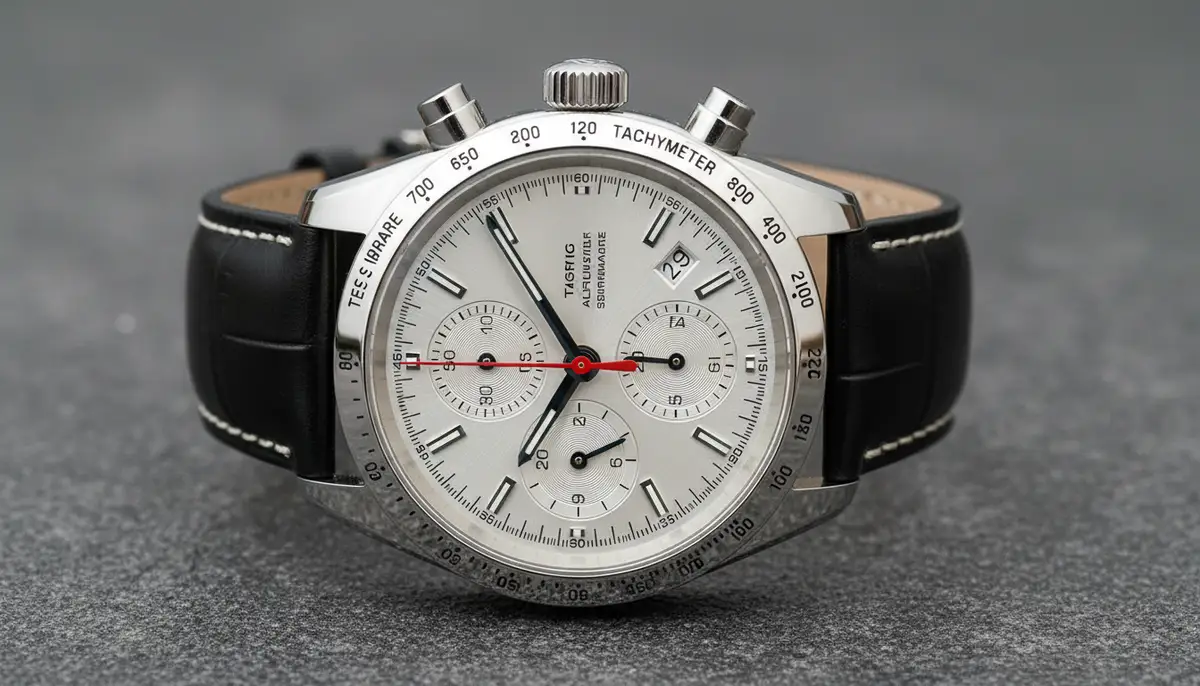
You can identify a chronograph by its distinctive pushers on the side of the case. These buttons start, stop, and reset the stopwatch. You will also see multiple sub-dials on the main face. These sub-dials track elapsed seconds, minutes, and sometimes hours. A chronograph watch offers a dynamic and sporty appearance. It appeals to those who need more than just basic timekeeping.
Key Characteristics of Chronograph Watches
- Invalid List Data
Chronographs are popular among pilots, racers, and sports enthusiasts. They use the stopwatch function for precise timing. The tachymeter scale, often found on the bezel, helps calculate speed based on travel time over a known distance. This adds to their utility. For a deeper dive into the mechanics, you can read more about chronographs on Wikipedia.
Analog Watch vs Chronograph Watches: The Core Differences
The fundamental difference between an analog watch vs chronograph watches lies in their functionality. An analog watch tells you the time. A chronograph watch tells you the time and also measures intervals of time. This difference impacts design, complexity, and even the feeling you get from wearing each type. Let's explore these distinctions in detail.
Design and Aesthetics
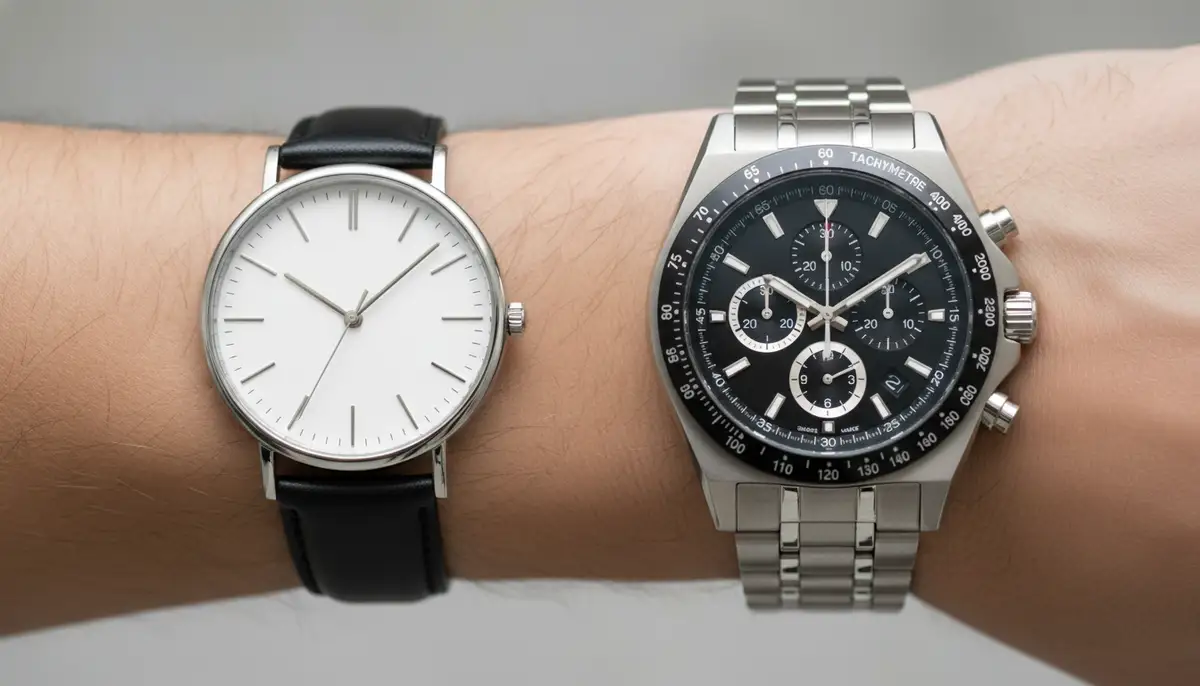
Analog watches generally boast a cleaner, more minimalist design. Their dials are often uncluttered, focusing on legibility of the hour and minute hands. This makes them ideal for formal wear or for those who prefer understated elegance. They come in countless styles, from sleek dress watches to rugged field watches, but almost always maintain that core simplicity.
Chronograph watches, on the other hand, have a more intricate appearance. The presence of sub-dials, pushers, and often a tachymeter scale gives them a 'tool watch' aesthetic. This complex look can be very appealing, signaling functionality and precision. They often appear sportier and more robust. The visual difference between an analog watch vs chronograph watches is usually quite clear.
Functionality and Complications
The primary function of an analog watch is to display the current time. Some might include a date complication or a moon phase indicator. These are simple additions that don't fundamentally change the watch's core purpose. They are about clarity and tradition.
Chronograph watches offer much more. Their main 'complication' is the stopwatch. This allows you to time events with accuracy. You can start, stop, and reset the timer using the dedicated pushers. This feature is incredibly useful for specific activities. It makes the chronograph a versatile tool. When comparing analog watch vs chronograph watches, functionality is a key deciding factor.
Price and Movement
Analog watches can range widely in price. Simple quartz models are very affordable. High-end mechanical analog watches can cost thousands. The price depends on the brand, materials, and movement complexity. However, generally speaking, a basic analog watch is less expensive than a basic chronograph.
Chronograph watches tend to be more expensive due to their added complexity. Integrating a stopwatch mechanism requires more parts and more intricate craftsmanship. This is true whether it's a quartz or a mechanical movement. Mechanical chronographs, especially, are marvels of engineering. They often command higher prices due to their intricate movements. For a deeper understanding of watch movements, you might find our article on analog vs mechanical watch movements insightful.
Target Audience and Lifestyle
Who wears an analog watch? Often, it's someone who values tradition, elegance, and simplicity. They might appreciate the clean lines and classic appeal. An analog watch is perfect for daily wear, professional settings, or formal events. It’s a statement of classic taste.
Chronograph watches appeal to a different crowd. They are for individuals who need or appreciate the added functionality of a stopwatch. This includes athletes, engineers, pilots, or anyone with an active lifestyle. They also attract those who enjoy the technical aesthetic. The choice between analog watch vs chronograph watches often comes down to your personal needs and style.
Pros and Cons: Analog Watch vs Chronograph Watches
Let's break down the advantages and disadvantages of each type. This will help you weigh your options when considering an analog watch vs chronograph watches.
Analog Watch: Pros and Cons
- Pros: - Timeless and elegant design. - Generally easier to read for basic time. - More versatile for various occasions (formal to casual). - Often more affordable for entry-level models. - Simpler maintenance due to fewer complications. - Classic appeal and heritage. Cons: - Lacks advanced timing functions. - May not appeal to those seeking a 'tool watch' look. - Limited functionality beyond time-telling.
Chronograph Watch: Pros and Cons
- Pros: - Integrated stopwatch function for precise timing. - Sporty, technical, and often robust aesthetic. - Useful for specific professions or hobbies (pilots, racers, athletes). - Often seen as a symbol of engineering prowess. - Offers more interactive functionality. Cons: - Can be more expensive due to complexity. - Dial can appear cluttered to some users. - May require more maintenance due to additional moving parts. - Can be overkill if you never use the stopwatch function.
Making Your Choice: Analog Watch vs Chronograph Watches
Deciding between an analog watch vs chronograph watches boils down to your personal preferences and needs. There isn't a universally 'better' option. It's about what suits you best. Consider your daily activities, your personal style, and your budget. Watch Branding notes that while both tell time, they differ significantly in design, features, and appeal.
Consider Your Lifestyle
Are you an active individual who frequently times events? Do you participate in sports or need to measure durations for work? A chronograph might be incredibly useful. Its stopwatch function is a genuine asset. However, if your life doesn't involve much timing, the extra features might go unused.
If your days are more about professional meetings, social events, or simply appreciating classic design, an analog watch is likely a perfect fit. It offers elegance without unnecessary complexity. The decision between an analog watch vs chronograph watches should align with your daily routine.
Consider Your Style
Do you prefer a clean, uncluttered look? Do you want a watch that pairs seamlessly with both a business suit and casual wear? An analog watch delivers this versatility. Its timeless aesthetic never goes out of style. It projects an image of refined taste.
If you love a more technical, instrument-like feel, a chronograph is an excellent choice. Its busy dial and pushers make a statement. It suggests precision and adventure. It often complements a more active or modern wardrobe. Your personal fashion sense plays a big role in choosing between an analog watch vs chronograph watches.
Consider Your Budget
As mentioned, chronographs generally come with a higher price tag due to their mechanical complexity. If budget is a primary concern, you might find more affordable and equally stylish options within the analog watch category. However, both types offer options across a wide price spectrum.
Table: Analog Watch vs Chronograph Watches at a Glance
Here's a quick comparison to help you visualize the differences when considering an analog watch vs chronograph watches:
| Feature | Analog Watch | Chronograph Watch |
|---|---|---|
| Primary Function | Time-telling | Time-telling + Stopwatch |
| Dial Appearance | Clean, minimalist | Multiple sub-dials, pushers, often tachymeter |
| Aesthetic | Classic, elegant, versatile | Sporty, technical, robust |
| Complexity | Lower | Higher |
| Typical Use | Everyday, formal, dress | Sports, racing, pilots, active lifestyle |
| Price Point (Entry) | Generally lower | Generally higher |
| Buttons/Pushers | Usually none (crown only) | Two or more pushers (plus crown) |
Beyond the Wrist: Watch Faces and Digital Options
While we've focused on physical watches, the world of timekeeping extends to smartwatches. These devices often allow you to customize your watch face. You can switch between analog-style displays and digital readouts. You can even find watch faces that mimic the look of a chronograph. This offers the best of both worlds. For example, WatchMaker provides thousands of customizable watch faces for Apple Watch and Wear OS devices. You can choose a classic analog look or a complex chronograph display, all on your smartwatch. You can even download watch faces that perfectly match your style.
Many users appreciate the flexibility of smartwatches. They can have the elegance of an analog watch one day and the functionality of a chronograph the next. Companies like buddywatch.app, amoledwatchfaces.com, and Pujie Black also offer various solutions for watch face customization. However, the tactile experience of a physical analog watch vs chronograph watches remains unique and cherished by enthusiasts.
Understanding Chronograph Functions: A Visual Guide
To truly grasp the capabilities of a chronograph, sometimes seeing it in action helps. This video explains the
. It clarifies how the various sub-dials and pushers work together to provide its unique timing functions. Watching this can give you a better perspective on the practical applications of a chronograph.The Enduring Appeal of Analog Watch vs Chronograph Watches
Both analog and chronograph watches hold a special place in horology. They represent different facets of watchmaking and personal expression. The analog watch speaks to tradition, simplicity, and timeless style. It’s a reliable companion for everyday elegance. It quietly tells the time with grace.
The chronograph, conversely, embodies precision, engineering, and functionality. It’s a tool for those who demand more from their wristwear. It tells a story of adventure and technical prowess. The debate of analog watch vs chronograph watches isn't about one being superior. It's about finding the perfect match for your individual journey.
Final Thoughts on Analog Watch vs Chronograph Watches
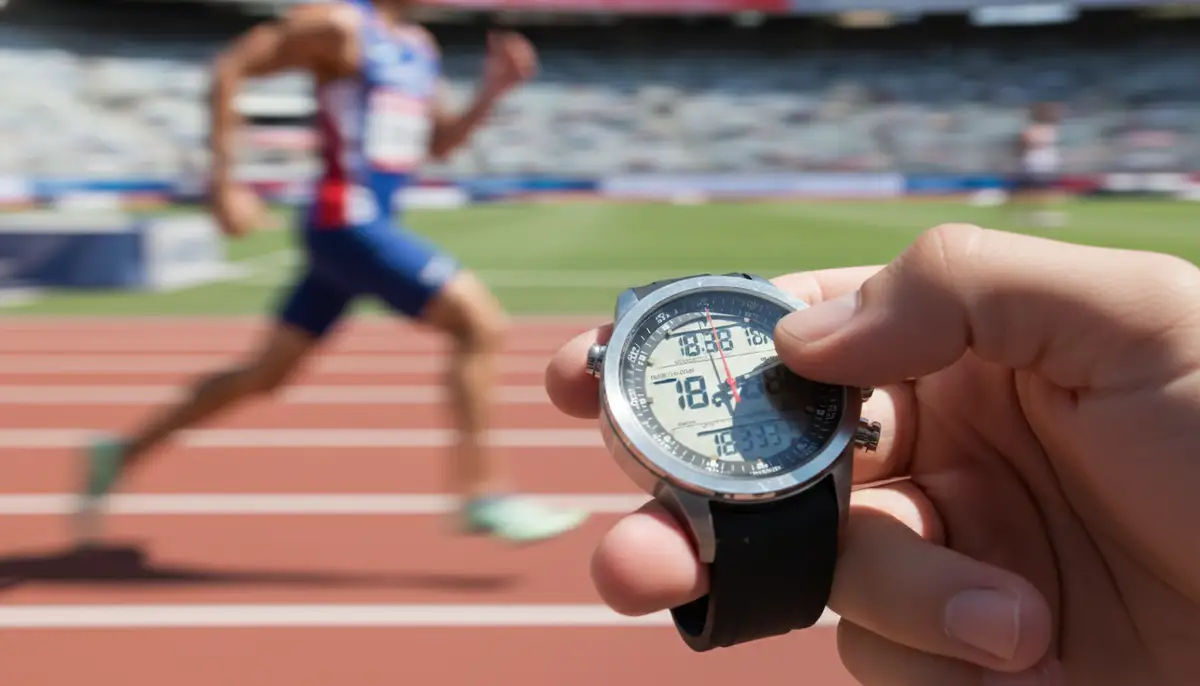
In 2025, the choice between an analog watch vs chronograph watches is more personal than ever. Do you value classic elegance and straightforward time-telling? Then an analog watch is likely your ideal companion. Do you need advanced timing capabilities and appreciate a more complex, sporty aesthetic? A chronograph watch might be calling your name.
Many enthusiasts even own both. They choose different watches for different occasions. Ultimately, the best watch is the one that makes you happy. It should fit your lifestyle, reflect your personality, and serve your needs. Whether you lean towards the minimalist charm of an analog watch or the functional complexity of a chronograph, you're investing in a piece of art and engineering. Enjoy the journey of finding your perfect timepiece!
Related Posts

The Watch Face Mistake Almost Every New Garmin Owner Makes
There's a predictable arc to owning a new Garmin. Day one, you install a watch face that shows everything: heart rate, steps, battery, weather, two time zones,...

The Ultimate Apple Watch Strap Guide: Find Your Perfect Fit & Style in 2025
Introduction: Your Essential Apple Watch Strap Guide for 2025 Your Apple Watch is more than just a gadget. It's a personal statement, a fitness tracker, and a...