
 Pokemon Card Scanner
 Live Wallpapers Unlimited




Mastering the Wrist: A Comprehensive Guide on How Should a Watch Fit in 2025
Introduction: Decoding the Perfect Watch Fit
Wearing a watch is more than just telling time. It's a statement of personal style, a nod to craftsmanship, and for many, a functional tool. But for all these benefits, one crucial element often gets overlooked: the fit. Understanding how should a watch fit is essential for both comfort and appearance. A poorly fitting watch can be annoying and even damage your timepiece.
In 2025, with so many watch styles and technologies available, getting the fit right is more important than ever. Whether you own a classic automatic, a sleek smartwatch, or a rugged sports watch, the principles of a good fit remain constant. This guide will walk you through everything you need to know about achieving that ideal fit.
We'll explore the nuances of placement, tightness, and movement. We will also cover how different watch types might require specific fitting considerations. By the end, you'll know exactly how should a watch fit on your wrist, ensuring maximum comfort and style.
Why Does a Watch's Fit Matter So Much?
The way your watch fits has a huge impact on your daily experience. It affects comfort, the watch's longevity, and even its functionality. Let's break down why this often-underestimated factor is so critical.
First, comfort is paramount. A watch that's too tight can pinch your skin, restrict blood flow, and leave uncomfortable marks. Conversely, a watch that's too loose can slide around, bang against surfaces, and become a constant distraction. Neither scenario is ideal for all-day wear. You want a watch that you can almost forget is there.
Beyond comfort, a proper fit protects your investment. A watch that moves too much is more prone to accidental bumps and scratches. This can lead to costly repairs or even irreversible damage. A snug, stable fit minimizes these risks, keeping your timepiece looking pristine for longer. It also reduces wear and tear on the strap or bracelet itself.
Aesthetic appeal is another major reason. A watch that's too big or too small for your wrist, or one that sits awkwardly, can detract from your overall look. It should complement your wrist and outfit, not overwhelm or disappear. The right fit enhances the watch's design and your personal style.
Finally, for smartwatches especially, fit is crucial for functionality. Sensors need consistent skin contact to accurately track heart rate, steps, and other health metrics. A loose smartwatch will give unreliable readings, defeating its primary purpose. Therefore, knowing how should a watch fit is directly linked to getting the most out of your modern timepiece.
The Core Principles: How Should a Watch Fit?
Now, let's dive into the specifics. There are several key aspects to consider when determining how should a watch fit. These principles apply to almost any watch, regardless of its type or material. Paying attention to these details will help you achieve the perfect balance of comfort and style.
Position: Where Should Your Watch Sit?
The ideal placement for your watch is just above your wrist bone, specifically the ulnar styloid. This is the bony protrusion on the outside of your wrist. It should rest comfortably between this bone and your hand. This position allows for natural wrist movement without the watch digging into your hand or sliding too far up your arm.
Many people wear their watches too low, right on the wrist bone. This can be uncomfortable and restrict movement. It also makes the watch more prone to getting caught on things. Conversely, wearing it too high up your forearm can look awkward and feel less secure. For a detailed explanation of ideal watch placement, you can refer to this guide on where a watch should sit on your wrist.
Tightness: How Snug is Too Snug?
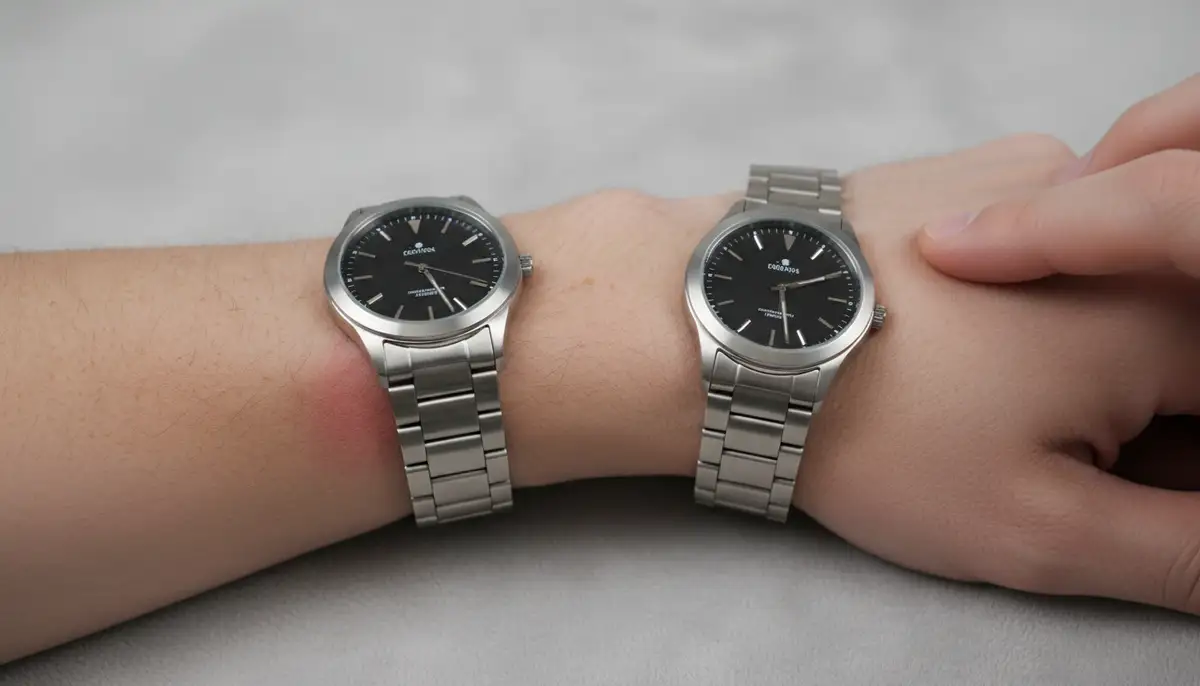
This is perhaps the most debated aspect of how should a watch fit. The general rule is that your watch should be snug but not tight. It should not leave deep marks on your skin. You should be able to slide one finger comfortably under the strap or bracelet. This allows for slight movement without the watch spinning freely around your wrist.
Some individuals prefer a slightly looser fit, while others opt for a more snug feel. Ultimately, it comes down to personal preference for comfort. However, the watch should never feel restrictive or cause any discomfort. If it does, it's definitely too tight. For more insights on how tight a watch should be, check out this article on personal preference for watch tightness.
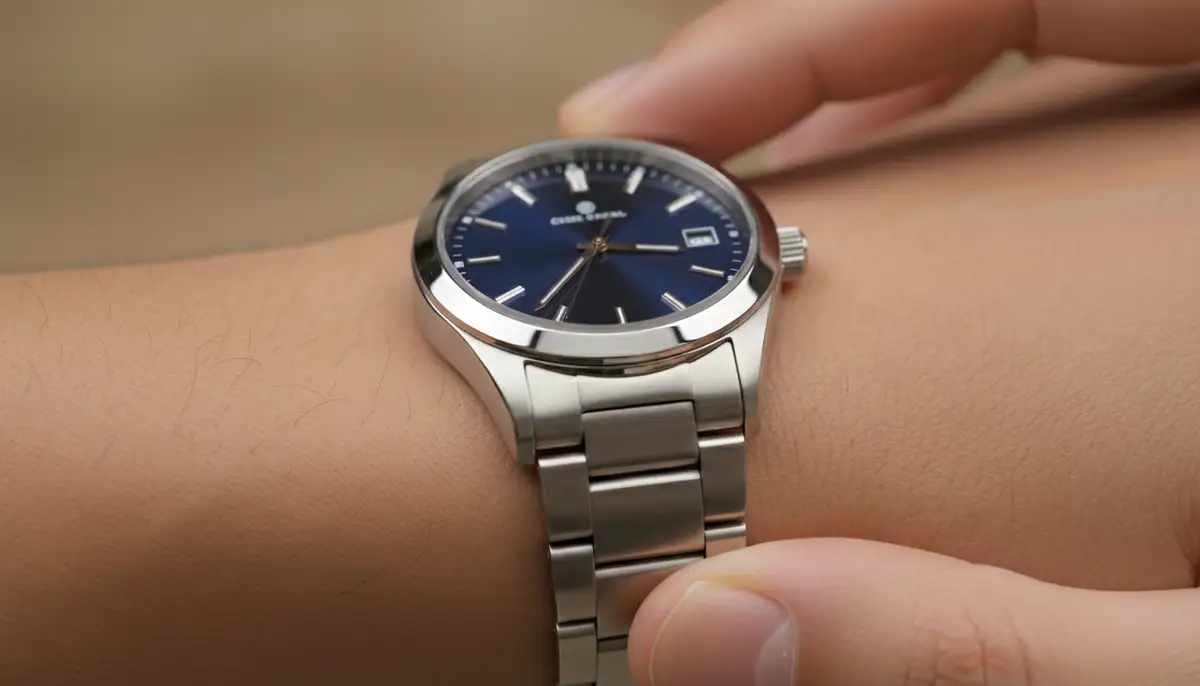
The 'one finger' rule is a good starting point. If you can easily slip your index finger between the strap and your wrist, the tightness is likely correct. If you struggle, it's too tight. If two fingers fit easily, it's probably too loose. This balance is key to understanding how should a watch fit properly.
Movement: A Little Wiggle Room is Good
While a watch shouldn't spin freely, a little movement is healthy. Your wrist size can change slightly throughout the day due to temperature or activity. A bit of wiggle room accommodates these natural fluctuations. It prevents the watch from feeling like a tourniquet during warmer weather or after exercise.
The watch should not slide down onto your hand when you raise your arm. It should stay in its intended position just above the wrist bone. If it consistently slips, it's too loose. If it feels stuck and doesn't move at all, it's too tight. Finding this sweet spot is crucial for knowing how should a watch fit for everyday wear.
Bracelet/Strap Length and Width
The overall length and width of your watch's strap or bracelet also play a role in its fit and aesthetic. The strap should be long enough to allow for proper adjustment, with enough tail to tuck into the keepers, but not so long that it dangles excessively. For metal bracelets, the number of links should be appropriate for your wrist size.
The width of the strap or bracelet should be proportional to the watch case and your wrist. A very wide strap on a small wrist can look bulky, while a very thin strap on a large wrist can look delicate and out of place. This proportionality contributes significantly to the overall look and feel of how should a watch fit.
Different Watch Types, Different Fits
While the core principles of how should a watch fit remain consistent, different types of watches have unique considerations. The material, purpose, and technology of a watch can influence its ideal fit. Understanding these nuances helps you optimize comfort and functionality for each specific timepiece.
Mechanical and Automatic Watches
For traditional mechanical and automatic watches, the fit is primarily about comfort and protecting the movement. A watch that's too loose can swing wildly, potentially subjecting the delicate internal components to unnecessary shocks. A stable fit helps absorb minor impacts and keeps the watch secure.
These watches often have a bit more weight due to their intricate movements. Therefore, a secure, comfortable fit prevents them from feeling cumbersome. The goal is to distribute the weight evenly across your wrist, making the watch feel like a natural extension of your arm. This is a key part of understanding how should a watch fit for these classic timepieces.
Smartwatches (Apple Watch, Wear OS)
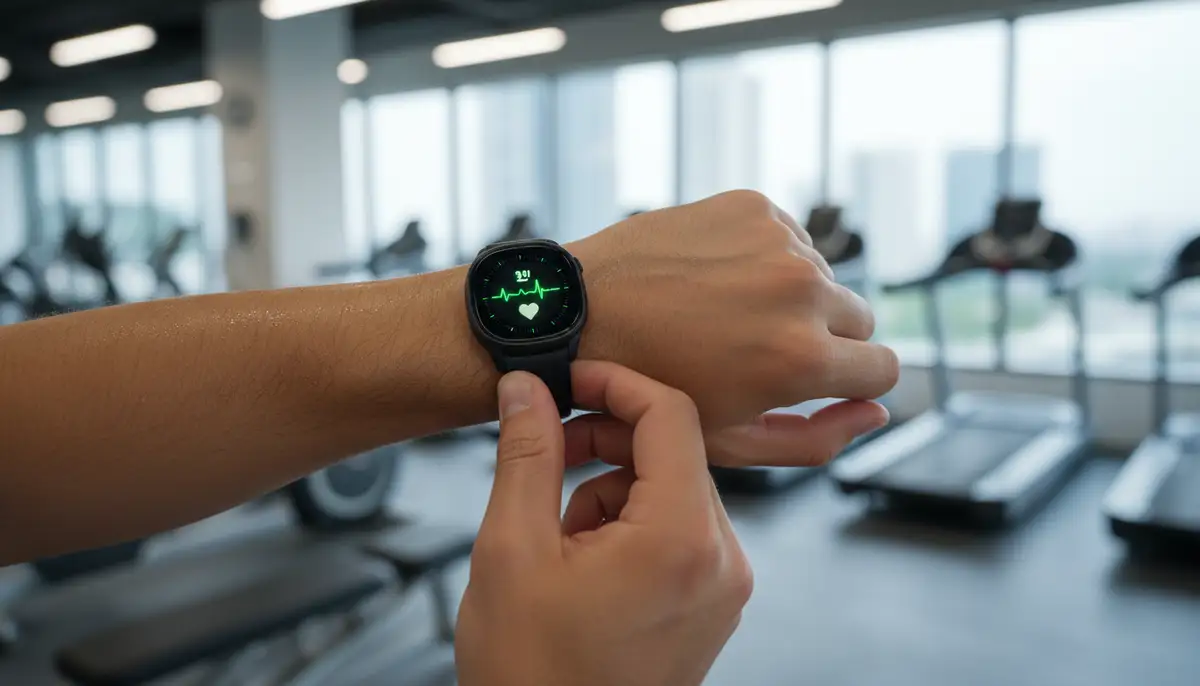
Smartwatches, such as the Apple Watch or those running Wear OS, have an added layer of complexity. Their health and fitness tracking features rely heavily on consistent skin contact. If your smartwatch is too loose, its heart rate monitor, blood oxygen sensor, and activity trackers will provide inaccurate data. This defeats a major purpose of owning a smartwatch.
Therefore, a smartwatch needs to be slightly snugger than a traditional watch. It should still be comfortable, allowing for that one-finger gap, but it must not shift excessively. Pay close attention to how the sensors on the back of the watch case sit against your skin. For a detailed comparison of different smartwatch options, you might find our article on choosing your perfect fitness companion very helpful.
Additionally, many smartwatch users love to customize their devices with unique watch faces. Companies like WatchMaker offer thousands of options for Apple Watch and Wear OS devices. This allows you to personalize your watch beyond its physical fit. You can find a vast repository of watch faces that truly express your style. Other popular platforms include Pujie Black, buddywatch.app, and amoledwatchfaces.com, which also offer diverse customization options. However, regardless of the watch face, understanding how should a watch fit remains crucial for both aesthetics and functionality.
Dress Watches
Dress watches are designed to be elegant and understated. Their primary function is to slip smoothly under a shirt cuff. This means they generally require a slightly closer fit than a casual watch. If a dress watch is too loose, it can catch on your cuff, creating an untidy look and potentially damaging the watch or your shirt.
The goal is for the watch to remain mostly hidden by the cuff, only revealing itself when you bend your arm or intentionally show it. This subtle presentation is a hallmark of proper dress watch etiquette. Therefore, when considering how should a watch fit for formal occasions, aim for a snug, low-profile placement.
Dive Watches and Sport Watches
Dive and sport watches are built for action. They need to be extremely secure to withstand vigorous activities. For dive watches, this means a fit that can accommodate a wetsuit, often with an extension clasp. When worn directly on the wrist, they should be very snug to prevent movement during swimming or other water sports.
Sport watches, similarly, need to stay put. Whether you're running, cycling, or lifting weights, a loose watch can be a major distraction and a hazard. Many sport watches come with silicone or rubber straps that offer excellent grip and are easy to adjust for a secure fit. The robust nature of these watches means they can handle a tighter fit without discomfort, as long as it doesn't restrict circulation. This robust fit is key to how should a watch fit for active lifestyles.
Digital vs. Analog Watches
While the display type doesn't fundamentally change the fit principles, it can influence perceived comfort. Digital watches are often lighter and made with more casual materials like resin or silicone. This can make them feel less obtrusive even when worn snugly. Analog watches, especially those with metal cases and bracelets, might feel heavier and require a more precise balance to feel comfortable.
Ultimately, whether it's a digital vs analog watch, the core idea of snug-but-not-tight, just above the wrist bone, remains the standard. The material and weight of the watch will influence how you perceive that fit. Lighter watches might tolerate a slightly looser feel, while heavier ones benefit from a more secure hold.
Adjusting Your Watch for the Perfect Fit
Achieving the ideal fit often requires some adjustment. Most watches come with straps or bracelets that can be customized to your wrist size. Knowing how to make these changes, or knowing when to seek professional help, is crucial for answering how should a watch fit perfectly.
Straps: Leather, Silicone, NATO
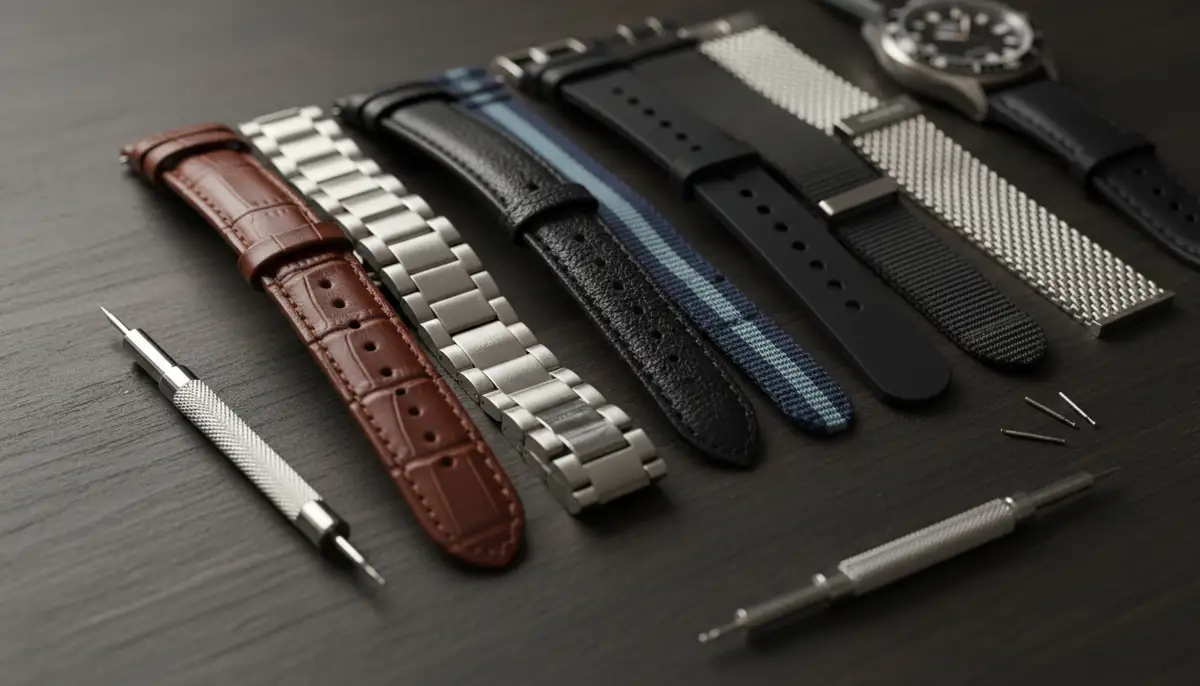
Straps are generally the easiest to adjust. Most come with multiple holes, allowing you to find the right tightness. Leather straps will mold to your wrist over time, becoming more comfortable with wear. Silicone and rubber straps offer excellent flexibility and grip, making them ideal for active wear. NATO straps are also highly adjustable and can be easily swapped for different looks.
- For leather straps, start with a hole that feels snug but not restrictive. If it's too tight, move to the next hole. If it's too loose, try the previous one.
- Silicone and rubber straps often have more closely spaced holes, allowing for finer adjustments. These are great for finding that perfect in-between fit.
- NATO straps loop under the watch, adding a layer of fabric that can slightly alter the fit. Experiment with how you thread it to achieve the best feel.
- If your strap has too much excess length, consider trimming it or looking for a short-length strap. This improves aesthetics and prevents snagging.
Bracelets: Metal Links
Metal bracelets are a bit more complex to adjust, but they offer a very secure and durable fit. Adjustments usually involve removing or adding links. This process often requires specialized tools like a link pin remover or a small screwdriver. While it's possible to do it yourself, many jewelers offer this service, ensuring a professional job.
Additionally, many metal bracelets feature micro-adjustments on the clasp. These small holes allow you to fine-tune the fit by a few millimeters without adding or removing full links. This is incredibly useful for getting that 'just right' feel, especially as your wrist size fluctuates. For a comprehensive guide on sizing your watch, including bracelet adjustments, watch this helpful video:
.When adjusting a metal bracelet, aim for an even number of links on both sides of the clasp. This helps keep the watch centered on your wrist. If you remove too many links, the watch can feel unbalanced. A well-fitting bracelet contributes significantly to how should a watch fit comfortably and securely. You can find more detailed information on proper watch fitting, especially for bracelets, by checking out this guide on a well-fitting watch.
The Role of the Clasp
The clasp is an often-overlooked component that plays a vital role in how should a watch fit. Different clasp types offer varying levels of security and comfort. A deployant clasp, for instance, folds neatly and can provide a very secure fit, often with micro-adjustments. A buckle clasp, common on leather straps, allows for more traditional hole-by-hole adjustment.
Ensure your clasp lies flat against your wrist and doesn't dig in. If the clasp is too bulky or positioned awkwardly, it can cause discomfort regardless of how well the rest of the strap fits. A good clasp should feel almost invisible, contributing to the overall seamless experience of a well-fitted watch. This attention to detail is part of the answer to how should a watch fit perfectly.
Common Watch Fit Mistakes to Avoid
Even with the best intentions, it's easy to make mistakes when trying to achieve the perfect watch fit. Being aware of these common pitfalls can help you avoid discomfort and ensure your watch looks and feels its best. Knowing what not to do is just as important as knowing how should a watch fit correctly.
- Wearing it too tight: This is perhaps the most common mistake. A watch that digs into your skin can restrict circulation, cause irritation, and leave unsightly marks. It also puts unnecessary stress on the strap or bracelet.
- Wearing it too loose: A watch that slides freely up and down your arm, or spins around your wrist, is annoying and unprofessional. It's also more susceptible to bumps and scratches. For smartwatches, it hinders accurate sensor readings.
- Incorrect placement: Wearing the watch directly on your wrist bone or too high on your forearm compromises both comfort and aesthetics. Remember, just above the wrist bone is the sweet spot.
- Ignoring proportionality: A large watch on a very small wrist, or vice-versa, can look unbalanced. Consider the watch case size and strap width in relation to your wrist size.
- Not accounting for daily fluctuations: Your wrist size can change throughout the day due to temperature, hydration, and activity. A watch with some micro-adjustment capability or a slightly forgiving strap material can help.
- Forgetting the purpose: A dress watch fit differs from a dive watch fit. Tailor your fit to the watch's intended use and your activity level.
Seasonal and Activity-Based Adjustments
Your wrist isn't a static size. It can expand or contract based on various factors. Understanding these changes and making minor adjustments can significantly improve your comfort. This dynamic approach is key to truly mastering how should a watch fit throughout the year and across different activities.
In warmer weather, your wrists tend to swell slightly. A watch that felt perfect in winter might suddenly feel too tight in the summer. This is where micro-adjustments on clasps or extra holes on straps become invaluable. Don't be afraid to loosen your watch by one notch or use a different micro-adjustment setting during hot months. Similarly, in colder weather, you might need to tighten it slightly.
For sports and intense physical activity, a slightly snugger fit is often preferred. This prevents the watch from bouncing around and ensures sensors (if applicable) maintain contact. Many modern sports watches come with quick-release straps or easy-to-adjust clasps for this very reason. After your workout, you can easily revert to your everyday comfort setting. This adaptability is part of how should a watch fit a dynamic lifestyle.
The Importance of Personal Preference: How Should a Watch Fit YOU?
While we've covered many guidelines, ultimately, the most important factor is your personal comfort. Some people genuinely prefer a looser fit, while others like their watch to feel very secure. The rules are there to guide you, but your own feeling of comfort should always take precedence. The question of how should a watch fit often boils down to what feels right for you.
Experiment with different settings. Wear your watch for a full day after making an adjustment. Pay attention to how it feels during various activities. Does it pinch when you bend your wrist? Does it slide too much when you gesture? Your body will tell you what works best. Don't be afraid to try different straps or bracelets if your current one isn't providing the ideal fit.
Remember, your watch is an extension of your personality and style. At WatchMaker, we understand the importance of personalization, not just in how your watch fits, but also in how it looks. With thousands of watch faces available for Apple Watch and Wear OS, you can customize every aspect of your wristwear experience. Finding the perfect physical fit is the first step, and then you can truly make it your own.
Quick Reference Guide: Ideal Watch Fit Checklist
Here's a quick checklist to help you determine if your watch has the ideal fit. Use this to quickly assess how should a watch fit on your wrist.
| Fit Aspect | Ideal Condition | What to Avoid |
|---|---|---|
| Position | Just above the wrist bone | On the wrist bone or too high on the forearm |
| Tightness | Snug enough for one finger to slide underneath | Too tight (leaving marks) or too loose (spinning freely) |
| Movement | Slight movement, doesn't slide onto hand when raised | No movement (too tight) or excessive sliding (too loose) |
| Comfort | Feels almost unnoticeable throughout the day | Pinching, digging, or constant awareness of the watch |
| Aesthetics | Complements wrist and outfit, proportional | Looks too big/small, or sits awkwardly |
Conclusion: Master the Art of the Perfect Watch Fit
Achieving the perfect watch fit is a blend of understanding general guidelines and listening to your own body's comfort signals. It significantly enhances your wearing experience, protects your valuable timepiece, and ensures it looks its best. From the precise placement above your wrist bone to the ideal snugness that allows a single finger to slide underneath, every detail matters.
Whether you're adjusting a classic leather strap or fine-tuning a metal bracelet, taking the time to get it right is a worthwhile investment. Remember that the answer to how should a watch fit can vary slightly depending on the watch type, your activity, and even the weather. Be prepared to make minor adjustments as needed. Your watch should feel like a natural, comfortable extension of you.
Once you've mastered the physical fit, consider exploring the vast world of customization. Platforms like WatchMaker allow you to express your unique style with thousands of watch faces for your Apple Watch or Wear OS device. Combine the perfect fit with the perfect look. Start exploring new possibilities and download watch faces that truly resonate with your personal aesthetic.
Related Posts

The Watch Face Mistake Almost Every New Garmin Owner Makes
There's a predictable arc to owning a new Garmin. Day one, you install a watch face that shows everything: heart rate, steps, battery, weather, two time zones,...

The Ultimate Apple Watch Strap Guide: Find Your Perfect Fit & Style in 2025
Introduction: Your Essential Apple Watch Strap Guide for 2025 Your Apple Watch is more than just a gadget. It's a personal statement, a fitness tracker, and a...