
 Pokemon Card Scanner
 Live Wallpapers Unlimited




Unlocking Time's Secrets: How Does Analog Watch Work?
Introduction: The Enduring Charm of Analog Time
In a world dominated by digital screens and smart devices, the classic analog watch holds a special place. Its elegant design and satisfying mechanical sweep continue to captivate many. But have you ever paused to consider the magic happening beneath that crystal? You might ask, how does analog watch work? This comprehensive guide will pull back the curtain on the intricate world of analog timekeeping. We will explore the fascinating mechanisms that power these timeless pieces, from the simplest movements to complex complications.
Understanding how does analog watch work reveals a blend of art and engineering. These devices don't just tell time; they represent centuries of innovation. By the end of this article, you will have a deep appreciation for the craftsmanship involved. You will also feel more connected to the watch on your wrist.
The Fundamental Components of an Analog Watch
Before we delve into the specifics of how does analog watch work, let's identify its primary parts. Every analog watch, regardless of its complexity, shares several core components. These parts work in harmony to display the time accurately.
- The Case: This is the outer shell that protects the internal mechanisms. It can be made from various materials like stainless steel, gold, or titanium.
- The Crystal: A transparent cover, typically made of sapphire, mineral glass, or acrylic, that protects the dial and hands.
- The Dial: The face of the watch, featuring markers, numerals, and often decorative elements.
- The Hands: These are the indicators that point to the hour, minute, and sometimes seconds. For a detailed explanation of reading time, you can refer to this Wikipedia article on analog watch time-telling.
- The Crown: A small knob on the side of the case used to set the time and, in mechanical watches, to wind the movement.
- The Movement: This is the heart of the watch. It is the engine that drives the hands and keeps accurate time. We'll explore this in much more detail.
The Engine Room: Understanding Watch Movements
The movement is where the real magic happens. It dictates precisely how does analog watch work. There are two main types of movements you'll find in analog watches: mechanical and quartz. Each has its unique method of generating and regulating power.
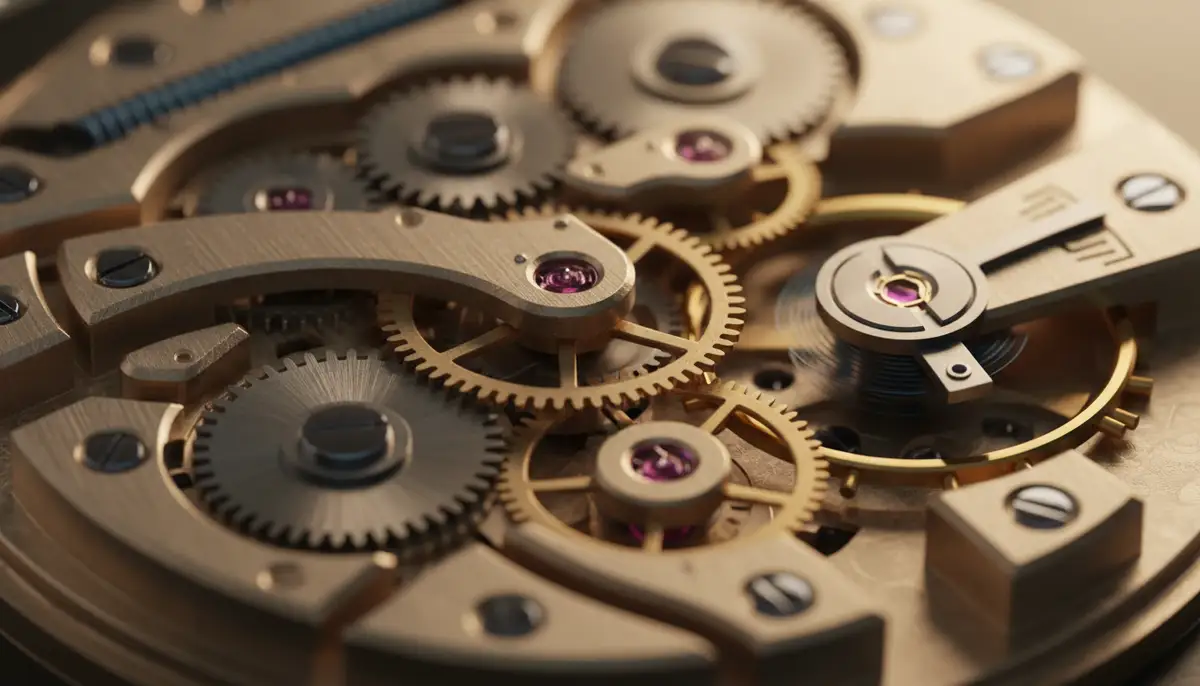
Mechanical Movements: A Symphony of Gears
Mechanical watches are marvels of micro-engineering. They operate without a battery, relying instead on kinetic energy. Understanding how does analog watch work with a mechanical movement involves several key stages.
- The Mainspring: This is the power source. When you wind a mechanical watch (either manually via the crown or automatically through wrist movement), you tighten a long, coiled spring. This stores potential energy.
- The Barrel: The mainspring is housed inside a circular component called the barrel. As the mainspring unwinds, it slowly releases its stored energy.
- The Gear Train: The energy from the mainspring is transmitted through a series of interlocking gears. These gears reduce the speed and increase the torque, ultimately driving the watch's hands.
- The Escapement: This is the regulating organ of the mechanical watch. It precisely controls the release of energy from the mainspring. It does this by 'locking' and 'unlocking' the gear train at regular intervals. This creates the familiar 'tick-tock' sound.
- The Balance Wheel and Hairspring: The escapement works in conjunction with the balance wheel and hairspring. The balance wheel oscillates back and forth at a precise frequency, regulated by the hairspring. This consistent oscillation provides the timing pulse for the entire movement.
There are two main sub-types of mechanical movements: manual-wind and automatic (self-winding). Manual-wind watches require you to turn the crown regularly to tighten the mainspring. Automatic watches, however, feature a rotor that swings with your wrist's natural motion, winding the mainspring automatically. This ingenious design ensures the watch stays powered as long as you wear it.
Quartz Movements: Precision Through Electronics
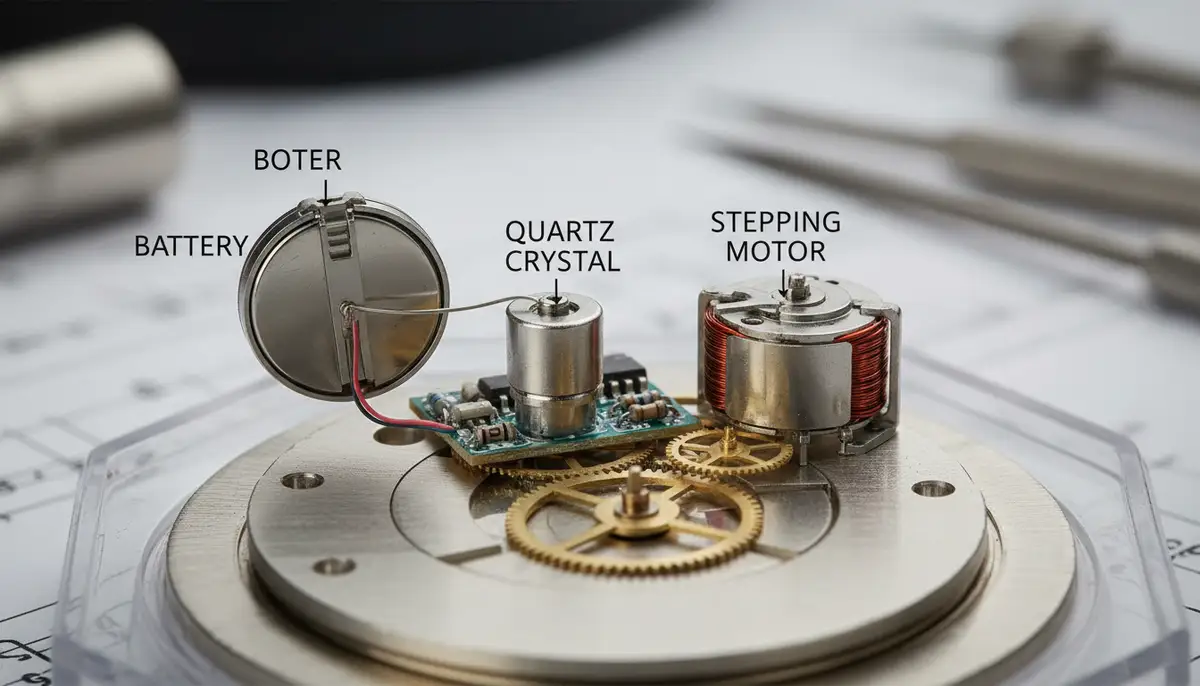
Quartz watches represent a more modern approach to timekeeping. They are known for their accuracy and affordability. So, how does analog watch work when it's powered by quartz? The process is quite different from mechanical movements.
- The Battery: This is the primary power source for a quartz watch. It provides electrical energy to the circuit.
- The Quartz Crystal: The battery sends electricity to a tiny, precisely cut quartz crystal. When an electric current passes through it, the quartz crystal vibrates at an extremely consistent frequency, typically 32,768 times per second.
- The Integrated Circuit (IC): This electronic circuit counts the vibrations of the quartz crystal. It then translates these vibrations into regular electrical pulses, usually one pulse per second.
- The Stepping Motor: The electrical pulses from the IC are sent to a small stepping motor. This motor converts the electrical energy into mechanical movement, causing the second hand to advance one step at a time.
- The Gear Train: Similar to mechanical watches, a series of gears transmit the stepping motor's motion to the minute and hour hands, causing them to rotate at the correct speeds.
Quartz watches are generally more accurate than mechanical watches. They also require less maintenance, typically only needing a battery replacement every few years. This makes them a popular choice for everyday wear.
How Does Analog Watch Work: A Step-by-Step Cycle
Let's put it all together. Regardless of whether it's mechanical or quartz, the fundamental cycle of how does analog watch work involves four key stages. These stages transform stored energy into the visible movement of the hands.
1. Energy Source and Storage
Every watch needs power. For mechanical watches, this is the mainspring. You either wind it manually or an automatic rotor does the work. For quartz watches, a small battery provides the electrical current. This initial step is crucial for the entire operation.
2. Power Transmission
Once energy is stored, it needs to be moved. In both types of watches, a series of gears, known as the gear train, transmits this power. The gears reduce the speed of rotation while increasing the force. This ensures the hands move at the correct, slow pace.
3. Time Regulation
This is arguably the most critical stage for accuracy. In a mechanical watch, the escapement, balance wheel, and hairspring work together. They precisely control the release of energy. This creates the regular 'tick' that marks time. In a quartz watch, the vibrating quartz crystal and integrated circuit provide this precise timing pulse. They ensure the stepping motor advances exactly once per second.
4. Displaying Time
The final stage is what you see on the dial. The regulated power drives the hour, minute, and second hands. Each hand is connected to a specific gear in the train, ensuring they rotate at their designated speeds. The second hand moves fastest, followed by the minute hand, and then the hour hand. This continuous, synchronized movement is the ultimate answer to how does analog watch work.
The Dial and Hands: Your Interface with Time
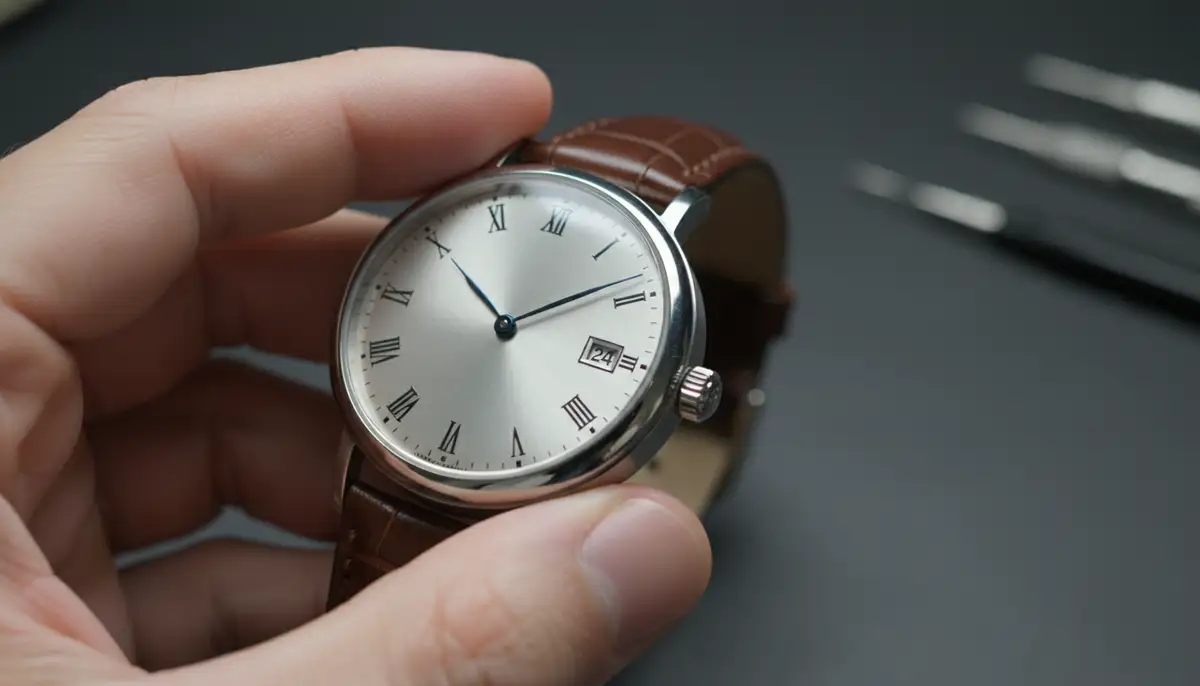
While the movement does the heavy lifting, the dial and hands are your direct interface. They present the information in an easily digestible format. An analog watch indicates the time using the relative positions of three hands – hour, minute, and second – as they rotate around a dial with hourly markers. For more on this, check out this informative article on what is an analog watch.
- The Hour Hand: This is typically the shortest and thickest hand. It completes one full rotation every 12 hours.
- The Minute Hand: Longer and thinner than the hour hand, it completes one full rotation every 60 minutes.
- The Second Hand: The thinnest and often longest hand, it sweeps (mechanical) or ticks (quartz) around the dial, completing a full rotation every 60 seconds. Some watches omit this hand for a cleaner look.
- Markers and Numerals: These are the indicators on the dial. They can be simple lines, dots, Roman numerals, or Arabic numerals. They help you quickly identify the time.
The design of the dial and hands greatly influences a watch's aesthetic. From minimalist designs to highly ornate ones, the variety is endless. This is where personal style truly shines through.
Beyond Basic Time: Analog Watch Complications
While the core function of how does analog watch work is time-telling, many watches offer additional features. These are known as 'complications.' They add both functionality and complexity to the movement.
- Date Display: A small window on the dial showing the current date. Some watches also show the day of the week.
- Chronograph: A stopwatch function, allowing you to measure elapsed time. These watches often have multiple sub-dials and pushers on the side of the case.
- Moon Phase: A poetic complication that displays the current phase of the moon through a small aperture on the dial.
- GMT/Dual Time Zone: Allows the watch to display time in two different time zones simultaneously, often with an additional hand.
- Power Reserve Indicator: Found on mechanical watches, this shows how much power remains in the mainspring before the watch needs winding.
Each complication adds layers of gears, springs, and levers to the movement. This makes the answer to how does analog watch work even more impressive. These features showcase the incredible skill of watchmakers.
Maintaining Your Analog Watch: Keeping Time Flawlessly
To ensure your analog watch continues to function perfectly, some care and maintenance are essential. Just like any precision instrument, a watch benefits from proper attention. This ensures its longevity and accuracy.
Regular Servicing
Mechanical watches, especially, benefit from regular servicing. This typically involves disassembling the movement, cleaning the components, lubricating them, and reassembling. Experts recommend servicing every 3-5 years. This prevents wear and tear on the tiny parts. It keeps the watch running smoothly.
Battery Replacement
For quartz watches, the main maintenance task is battery replacement. Most watch batteries last 2-5 years. It's best to have a professional replace the battery. They can ensure the case is properly sealed afterward. This maintains water resistance.
Setting Time and Date
Knowing how to correctly set your watch is vital. For example, if you own a Casio, you might want to learn more about how to adjust Casio watch time. Similarly, changing the date correctly prevents damage to the delicate date mechanism. A comprehensive guide on how to change date on Casio watch can be very helpful.
| Maintenance Task | Mechanical Watch | Quartz Watch |
|---|---|---|
| Servicing | Every 3-5 years | Rarely needed (unless damaged) |
| Battery Replacement | Not applicable | Every 2-5 years |
| Winding | Daily/periodically (manual) or wear regularly (automatic) | Not applicable |
| Time/Date Setting | Via crown | Via crown |
The Art and Craft of Watchmaking
The intricate dance of tiny gears and springs that answers how does analog watch work is a testament to human ingenuity. Watchmaking is a blend of precision engineering, artistic design, and historical tradition. Each component, no matter how small, plays a crucial role. This makes every analog watch a miniature masterpiece.
The industry has evolved significantly. However, the core principles of how does analog watch work remain the same. Modern technology allows for even greater precision in manufacturing. Yet, the human touch of a skilled watchmaker is still irreplaceable, especially for high-end mechanical pieces.
Choosing Your Analog Watch: A Personal Statement
With a better understanding of how does analog watch work, you're better equipped to choose one that suits you. Consider whether you prefer the historical appeal and intricate mechanics of a mechanical watch or the robust accuracy and lower maintenance of a quartz watch.
Beyond the movement, style, brand, and budget play significant roles. The watch market offers an incredible array of options. From classic dress watches to rugged dive watches, there's something for everyone. You can also personalize your watch with different watch faces, especially for smartwatches. Platforms like WatchMaker offer thousands of download watch faces for Apple Watch and WearOS devices, allowing for endless customization. Other great resources for watch faces include watchfacely.com, amoledwatchfaces.com, and buddywatch.app, which provide a wide variety of styles and functionalities.
Practical Applications: More Than Just Time-Telling
An analog watch is more than just a device for telling time. It can also be a valuable tool in other situations. For instance, did you know you can use an analog watch as a simple compass? This survival trick is incredibly useful if you ever find yourself without modern navigation tools.
To use it, hold your watch horizontally. Point the hour hand directly at the sun. Then, imagine a line that bisects the angle between the hour hand and the 12 o'clock marker. This imaginary line points south in the Northern Hemisphere. For a detailed guide on this fascinating technique, refer to how to use an analog watch as a compass. This shows the versatility of these classic devices.
Conclusion: The Timeless Appeal of Analog Watches
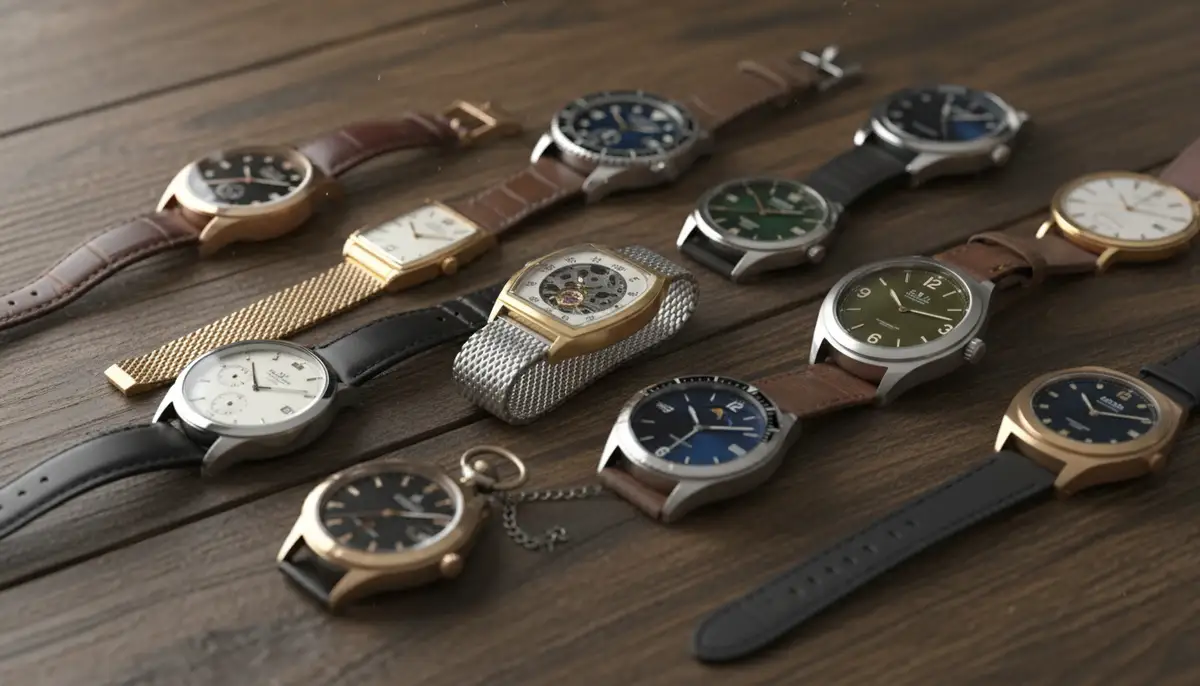
We've journeyed through the intricate world of analog timekeeping. We've explored the inner workings and discovered precisely how does analog watch work. From the rhythmic tick of a mechanical escapement to the precise pulse of a quartz crystal, each watch is a testament to human ingenuity. These devices are more than just instruments; they are pieces of art, history, and personal expression.
The next time you glance at your wrist, take a moment to appreciate the complex dance happening within. You now understand how does analog watch work. This appreciation connects you to centuries of horological innovation. Whether you prefer a traditional mechanical piece or a modern quartz one, the analog watch continues to be a symbol of enduring style and masterful engineering. It truly is a timeless accessory in our fast-paced digital world.
Related Posts

The Watch Face Mistake Almost Every New Garmin Owner Makes
There's a predictable arc to owning a new Garmin. Day one, you install a watch face that shows everything: heart rate, steps, battery, weather, two time zones,...

The Ultimate Apple Watch Strap Guide: Find Your Perfect Fit & Style in 2025
Introduction: Your Essential Apple Watch Strap Guide for 2025 Your Apple Watch is more than just a gadget. It's a personal statement, a fitness tracker, and a...