
 Pokemon Card Scanner
 Live Wallpapers Unlimited




What is Chronometer? Unlocking the World of Precision Timekeeping in 2025
Have you ever wondered about the ultimate in timekeeping accuracy? In a world full of digital clocks and atomic time synchronization, the term 'chronometer' might seem a bit old-fashioned. However, understanding what is chronometer is crucial for anyone interested in precision, craftsmanship, and the rich history of horology. This article will guide you through everything you need to know about these exceptional timepieces in 2025.
A chronometer isn't just any watch. It's a highly accurate timepiece that has undergone rigorous testing and received official certification. This certification guarantees its superior precision. We'll explore its fascinating past, how these devices work, and why they continue to be relevant today. You'll gain a deep appreciation for these mechanical marvels and their enduring legacy.
What is Chronometer? Unpacking the Definition of Precision
At its core, a chronometer is a watch or clock that meets specific, very high standards for accuracy. It's not just a fancy name. The term refers to a timepiece that has been independently tested and certified to keep time within a very narrow range of error. This means it is much more precise than a standard watch.
The most widely recognized certification body is the Official Swiss Chronometer Testing Institute, or COSC (Contrôle Officiel Suisse des Chronomètres). When a watch is COSC-certified, it has passed stringent tests over several days, in various positions and temperatures. This process ensures exceptional reliability. To truly grasp what is chronometer, you must understand this commitment to accuracy.
Historically, chronometers played a vital role in navigation, especially at sea. Their ability to maintain precise time allowed sailors to determine longitude accurately. This was a game-changer for exploration and trade. Today, while GPS handles navigation, the spirit of the chronometer lives on in high-end mechanical watches, symbolizing peak horological achievement. For a deeper dive into these remarkable devices, you can read more about the Chronometer watch on Wikipedia.
A Deep Dive into the History of Chronometers
The story of the chronometer is a tale of human ingenuity and perseverance. Before these devices existed, determining a ship's position at sea was incredibly difficult. Sailors could easily find their latitude using the sun or stars. However, longitude required knowing the exact time at a reference point, like Greenwich, England, while at sea.
The problem was that early clocks and watches were not accurate enough. They were heavily affected by a ship's motion and changes in temperature and humidity. This led to significant errors over long voyages. The British government even offered a substantial prize, the Longitude Prize, for anyone who could solve this critical problem.
Enter John Harrison, an English clockmaker. Over several decades in the 18th century, Harrison developed a series of timepieces, culminating in his famous H4. This marine chronometer was revolutionary. It was designed to withstand the harsh conditions at sea and keep incredibly accurate time. Harrison's work transformed naval navigation and global exploration.
His invention allowed ships to navigate with unprecedented precision, making sea travel safer and more efficient. The impact on trade, exploration, and naval power was immense. You can explore the fascinating history of the Marine chronometer to understand its profound effect on history. Even American explorers like Meriwether Lewis carried a chronometer on their expeditions, as highlighted by the Chronometer (U.S. National Park Service).
How Does a Chronometer Achieve Such Precision?
The secret to a chronometer's accuracy lies in its meticulous design, superior materials, and expert craftsmanship. Unlike standard mechanical watches, chronometers are built with extreme attention to detail. Every component is optimized for stability and consistent performance.
Key elements contribute to this precision. The balance wheel, the heart of a mechanical watch, is carefully weighted and balanced. It oscillates at a very stable rate. The escapement, which regulates the release of energy from the mainspring, is designed to minimize friction and wear. These components work in harmony to ensure consistent timekeeping.
Temperature compensation is another critical factor. Metal components expand and contract with temperature changes, affecting accuracy. Chronometers often use special alloys or bimetallic strips to counteract these effects. This ensures that the watch performs consistently, whether it's hot or cold. Understanding these details helps clarify what is chronometer's true value.
Furthermore, the lubricants used in chronometers are of the highest quality. They maintain their properties over long periods and across various temperatures. This reduces friction and ensures smooth operation of the intricate gears and springs. The entire movement is assembled and regulated by highly skilled watchmakers.
Types of Chronometers You Should Know
While the term 'chronometer' often conjures images of old ships, its application has evolved. There are several types of chronometers, each with its own historical significance and modern relevance. Knowing these variations helps you understand the full scope of what is chronometer.
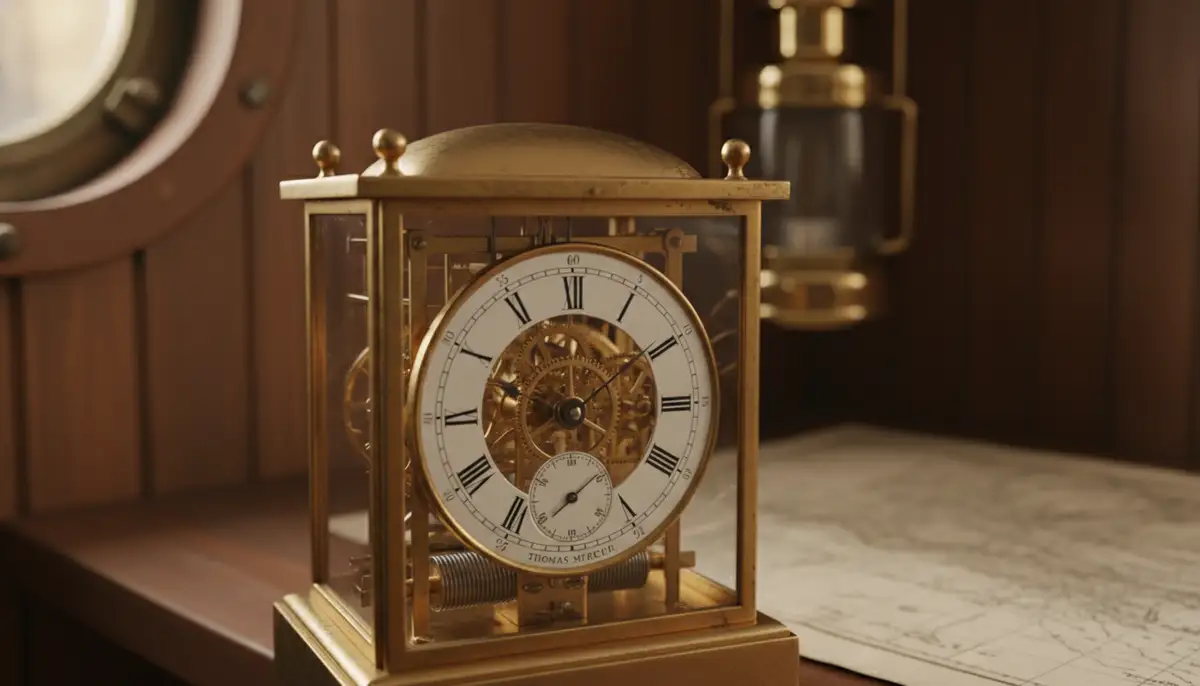
Marine Chronometers
These are the original chronometers, designed for naval navigation. They were typically large, gimbal-mounted clocks housed in wooden boxes. The gimbals kept the timepiece level, regardless of the ship's motion. Their primary purpose was to provide highly accurate time for calculating longitude at sea.
Pocket Chronometers
As technology advanced, chronometer movements became smaller. This allowed them to be fitted into pocket watches. These were highly prized by wealthy individuals, explorers, and military officers. They offered personal, portable precision timekeeping.
Wrist Chronometers
Today, when most people talk about a chronometer, they are referring to a wrist watch. These are mechanical watches that have passed the stringent COSC certification. They represent the pinnacle of mechanical watchmaking accuracy and are highly sought after by collectors and enthusiasts.
Digital Chronometers (Modern Context)
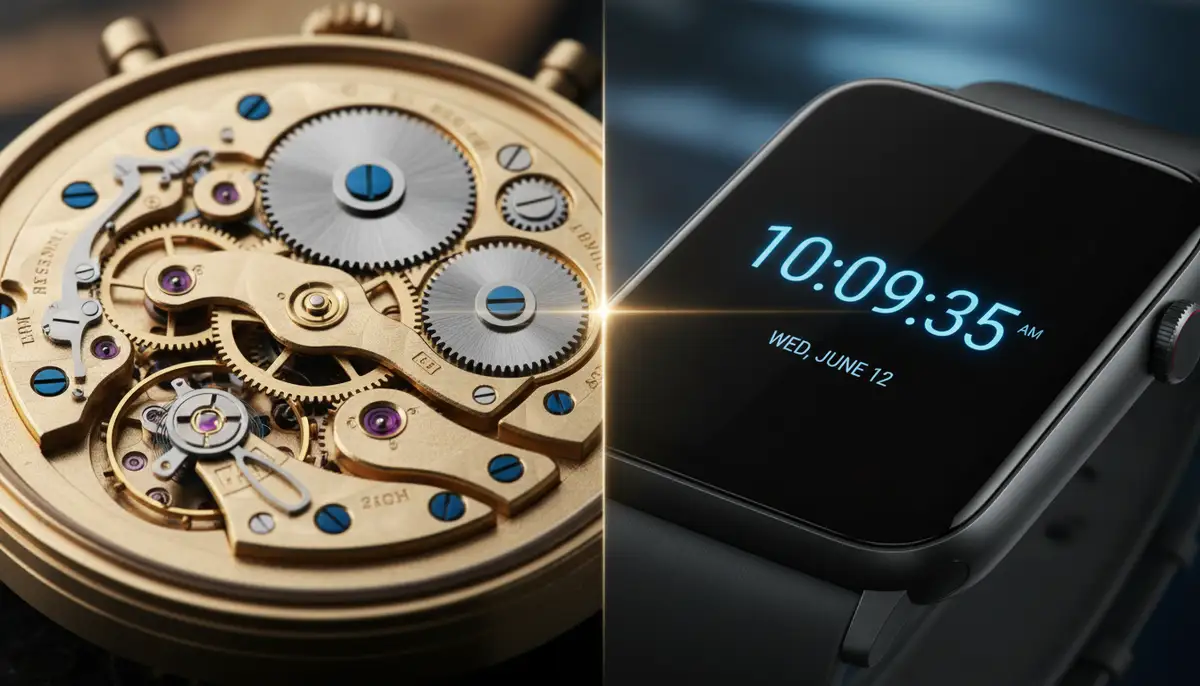
While COSC specifically certifies mechanical watches, the concept of a 'digital chronometer' exists in a broader sense. Many modern digital devices, like smartwatches and smartphones, achieve incredible accuracy. They synchronize with atomic clocks via GPS or network time protocols. While not 'chronometers' in the traditional sense, they fulfill the same role of ultra-precise timekeeping for daily use.
- Marine chronometers: Large, gimbal-mounted for sea navigation.
- Pocket chronometers: Smaller, portable versions for personal use.
- Wrist chronometers: Modern mechanical watches with COSC certification.
- Digital chronometers (conceptual): Electronic devices achieving high accuracy via atomic time synchronization.
The Rigorous Path to Chronometer Certification
The process of becoming a certified chronometer is intense. It's not something every watch can achieve. The COSC certification is the gold standard for mechanical watch accuracy. It ensures that a timepiece meets very specific performance criteria under various conditions.
Each individual movement, not just a sample, undergoes testing for 15 days. It's tested in five different positions and at three different temperatures (8°C, 23°C, and 38°C). During this period, COSC measures seven different criteria daily. These criteria include the average daily rate, mean variation in rates, and positional differences.
For a mechanical watch to earn the chronometer title, its average daily rate must be between -4 and +6 seconds per day. This means it cannot lose more than 4 seconds or gain more than 6 seconds over a 24-hour period. This tolerance is extremely tight for a mechanical device. It highlights the superior engineering and regulation involved.
Passing these tests is a significant achievement for a watchmaker. It signifies a commitment to precision and quality. When you see 'Chronometer' on a watch dial, it's a mark of excellence. It assures you of its exceptional timekeeping ability. This certification is a key part of understanding what is chronometer in the modern watch world.
| COSC Test Criteria | Requirement (Mechanical Watch) |
|---|---|
| Average Daily Rate | -4 to +6 seconds per day |
| Mean Variation in Rates | Max 2 seconds per day |
| Greatest Variation in Rates | Max 5 seconds per day |
| Difference Between Rates (Horizontal/Vertical) | Max 10 seconds per day |
| Rate Stability | Max 0.3 seconds per day |
| Temperature Compensation (Rate Variation) | Max +/- 0.6 seconds per day per °C |
| Resumption of the Rate | Max +/- 5 seconds per day |
Why Chronometers Still Matter in 2025
You might think that with atomic clocks and GPS, the chronometer is obsolete. However, that couldn't be further from the truth. In 2025, chronometers continue to hold immense value for several reasons. They represent more than just accurate time; they embody craftsmanship, heritage, and a passion for mechanical excellence.
First, they are a symbol of status and quality. Owning a chronometer signifies an appreciation for fine mechanics and meticulous engineering. It speaks to a wearer's taste for reliability and precision. Many luxury watch brands proudly feature chronometer-certified movements in their collections.
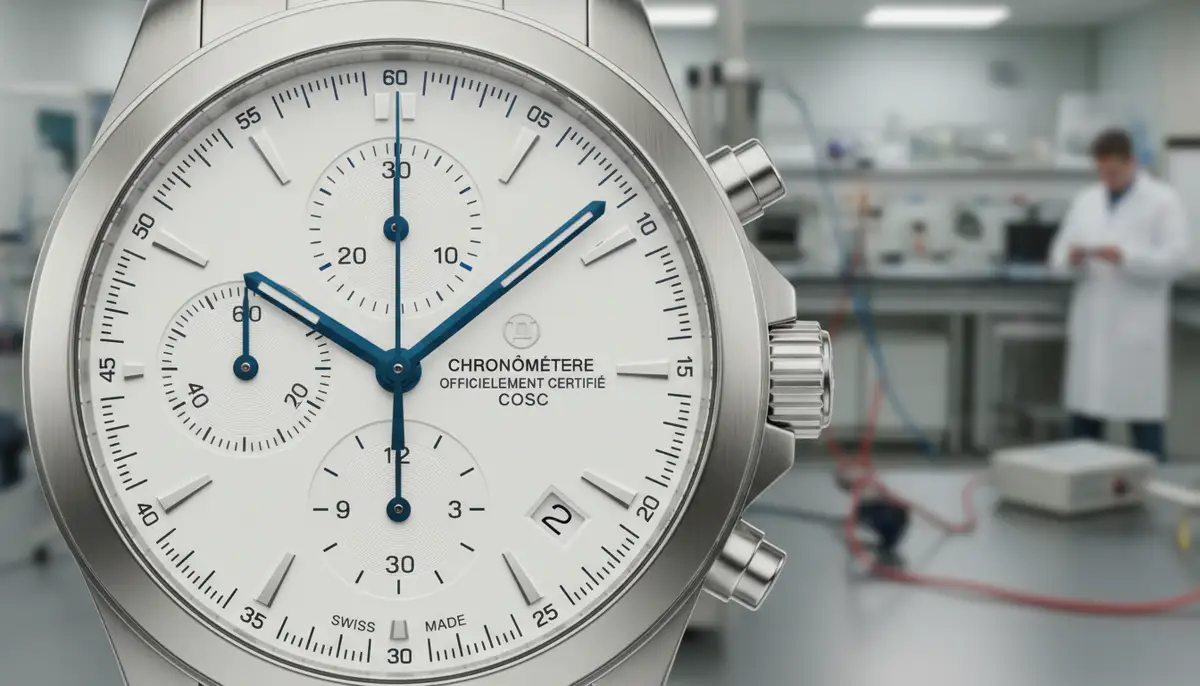
Second, chronometers offer unparalleled reliability in situations where electronics might fail. For adventurers, pilots, or anyone who values a robust, self-sufficient timepiece, a mechanical chronometer is invaluable. It doesn't rely on batteries, network signals, or satellite connections. Its accuracy is inherent in its design.
Third, they are pieces of art and history. Each chronometer carries the legacy of centuries of watchmaking innovation. It connects you to the past, to explorers and navigators who relied on similar instruments. For collectors, chronometers are often central to their pursuits. You might even find them in the largest watch collection in the world.
Finally, the pursuit of mechanical accuracy continues to drive innovation in watchmaking. Even as digital timekeeping becomes ubiquitous, the challenge of perfecting a mechanical movement remains a core tenet of horology. This ongoing quest ensures that the answer to what is chronometer remains relevant.
Chronometers vs. Other High-Precision Timepieces
It's easy to get confused by various terms related to watch accuracy. Let's clarify how chronometers stand apart from other types of timepieces you might encounter. This comparison will help solidify your understanding of what is chronometer.
Chronometer vs. Standard Mechanical Watch
A standard mechanical watch is not individually tested and certified for precision. While many well-made mechanical watches can be quite accurate, they don't carry the official guarantee of a chronometer. A chronometer has undergone the rigorous COSC tests, ensuring its superior performance within a very tight margin of error.
Chronometer vs. Quartz Watch
Quartz watches are powered by a battery and regulated by a vibrating quartz crystal. They are generally much more accurate than most mechanical watches, often within +/- 15-30 seconds per month. However, a COSC-certified mechanical chronometer is designed to be exceptionally accurate for a mechanical device, often within +/- 4-6 seconds per day. High-end 'thermo-compensated' quartz movements can achieve even greater accuracy, sometimes called 'SuperQuartz'.
Chronometer vs. Atomic Clock/Radio-Controlled Watch
Atomic clocks are the most accurate timekeeping devices known, losing only about one second in millions of years. Radio-controlled watches synchronize with atomic clocks via radio signals. These watches are incredibly precise, but they rely on external signals. A mechanical chronometer achieves its accuracy entirely through its internal mechanics. It represents a different kind of engineering challenge and triumph.
The Evolution of Chronometers: From Mechanical to Digital
The journey of precision timekeeping has seen incredible transformations. While mechanical chronometers continue to be revered, the digital age has introduced new forms of highly accurate timekeeping. This evolution broadens our understanding of what is chronometer in a modern context.
Traditional chronometers pushed the limits of mechanical engineering. They solved critical problems for navigation and scientific observation. Today, digital devices leverage entirely different technologies. They achieve accuracy through synchronization with global time standards. This shift doesn't diminish the value of mechanical chronometers but rather expands the landscape of precision.
Smartwatches, for example, are essentially digital chronometers for the wrist. They offer features far beyond simple time display, like GPS, health tracking, and connectivity. Their timekeeping is inherently precise because they constantly sync with network time servers, which are ultimately linked to atomic clocks. This means your smartwatch is, in a practical sense, an extremely accurate timekeeper.
For those who enjoy personalizing their digital timekeeping experience, platforms like WatchMaker offer thousands of custom watch faces for Apple Watch and Wear OS devices. You can find incredibly precise and feature-rich designs, including those with weather watch faces, that bring the spirit of accurate, reliable time to your modern device. This blending of traditional accuracy with digital customization is a key aspect of 2025 timekeeping.
Choosing Your Chronometer: What to Look For
If you're considering purchasing a chronometer, there are several factors to keep in mind. This investment is about more than just telling time; it's about owning a piece of horological excellence. Knowing what is chronometer's value helps in making an informed decision.
Certification is Key
Always look for the COSC certification. This is your guarantee of precision and quality. The certificate usually accompanies the watch, often with its unique serial number. It confirms that the movement has passed the rigorous tests.
Brand Reputation
Many renowned Swiss watch brands produce chronometer-certified watches. Brands like Rolex, Omega, Breitling, and Tudor are well-known for their chronometer offerings. Researching a brand's history and commitment to accuracy is important.
Movement Type
Chronometers are mechanical watches. You'll find automatic (self-winding) and manual-wind options. Consider your preference for winding a watch daily versus wearing it to keep it powered. Both types can be chronometer-certified.
Style and Aesthetics
Beyond accuracy, choose a watch that suits your personal style. Chronometers come in various designs, from elegant dress watches to robust dive watches. Make sure it's a piece you'll enjoy wearing for years to come.
Maintenance and Servicing
Like any fine mechanical instrument, a chronometer requires regular servicing. This ensures its continued accuracy and longevity. Factor in the cost and frequency of professional maintenance when making your purchase decision. A well-maintained chronometer can last for generations.
The Future of Precision Timekeeping and What is Chronometer's Role
Looking ahead to the future, the concept of precision timekeeping continues to evolve. While digital methods offer unparalleled accuracy and convenience, the mechanical chronometer will always hold a special place. Its role is shifting, but its significance remains strong. Understanding what is chronometer helps us appreciate this ongoing evolution.
Innovations in materials science and micro-engineering are constantly improving mechanical movements. New alloys, silicon components, and advanced lubricants push the boundaries of accuracy and durability. This means future mechanical chronometers might achieve even tighter tolerances than today's standards.
The appeal of a mechanical chronometer lies in its artistry and connection to history. It's a tangible link to human ingenuity. It offers a counterpoint to the increasingly digital world. People will continue to seek out these masterpieces for their intrinsic value and the story they tell.
Meanwhile, the digital realm of timekeeping is also flourishing. Platforms like WatchMaker, amoledwatchfaces.com, Pujie Black, and facer.io are at the forefront of digital watch face customization. They allow users to create and download incredibly detailed and functional watch faces. These digital solutions provide hyper-accurate time, often synchronized with global standards, combined with endless personalization options. If you want to customize your digital experience, you can learn how to create your own watch faces.
The future will likely see a continued coexistence and even blending of these two worlds. Mechanical chronometers will remain cherished heirlooms and symbols of horological excellence. Digital timekeeping will continue to integrate seamlessly into our daily lives, offering instant, precise information. Both contribute to the rich tapestry of how we experience and measure time.
Conclusion: The Enduring Legacy of the Chronometer
In conclusion, understanding what is chronometer reveals a fascinating world of precision, innovation, and history. From its origins solving critical navigation challenges at sea to its modern-day status as a symbol of horological excellence, the chronometer has left an indelible mark on how we perceive and measure time. It represents the pinnacle of mechanical watchmaking, certified for its exceptional accuracy.
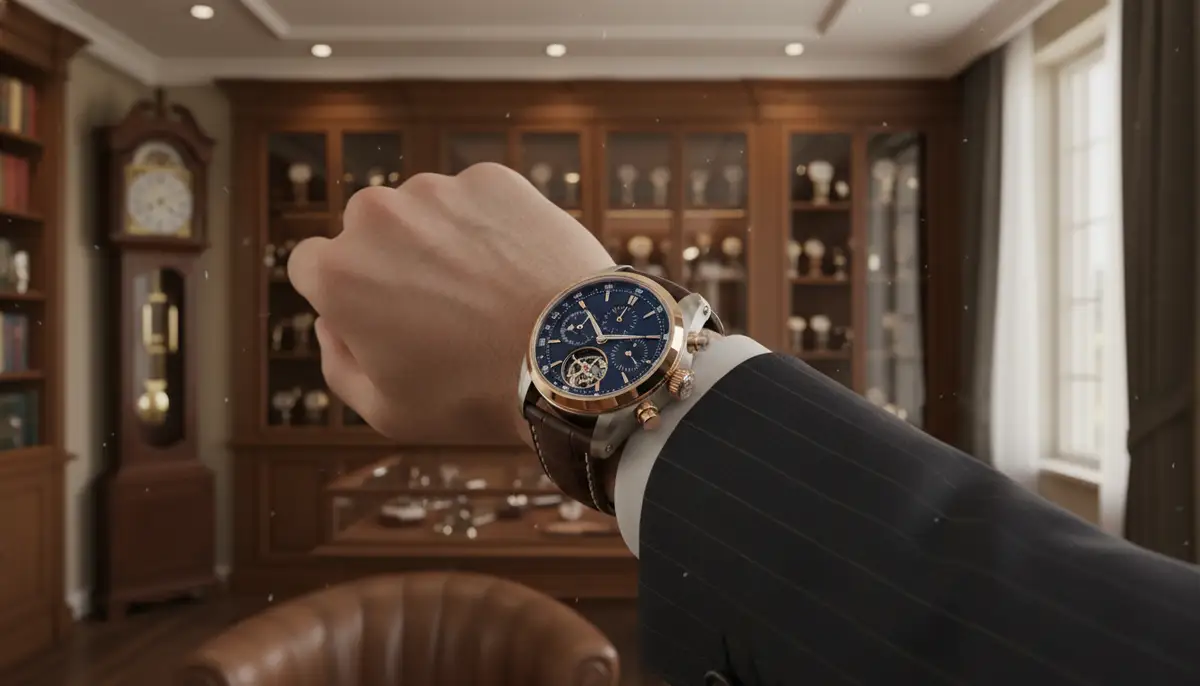
Even in 2025, with advanced digital timekeeping readily available, the chronometer's appeal endures. It stands as a testament to human craftsmanship, a reliable companion, and a cherished possession. Whether you're an enthusiast, a collector, or simply someone who appreciates the finest things in life, the chronometer offers a unique blend of utility, beauty, and historical significance.
So, the next time you see the word 'chronometer,' you'll know it's not just a label. It's a promise of precision, a badge of honor, and a link to centuries of dedicated pursuit of perfect time. Its legacy continues to tick on, inspiring both traditional watchmakers and digital innovators alike.
Related Posts

The Watch Face Mistake Almost Every New Garmin Owner Makes
There's a predictable arc to owning a new Garmin. Day one, you install a watch face that shows everything: heart rate, steps, battery, weather, two time zones,...

The Ultimate Apple Watch Strap Guide: Find Your Perfect Fit & Style in 2025
Introduction: Your Essential Apple Watch Strap Guide for 2025 Your Apple Watch is more than just a gadget. It's a personal statement, a fitness tracker, and a...