




 Pokemon Card Scanner
 Live Wallpapers Unlimited
What is a Chronograph? Your Ultimate Guide to This Iconic Timepiece in 2025
What is a Chronograph? Unpacking This Iconic Timepiece
Have you ever wondered about the sophisticated watches with multiple sub-dials and extra buttons? You are likely looking at a chronograph. So, what is a chronograph, exactly? In simple terms, it is a watch that combines a standard time-telling function with a stopwatch capability. This means you can track the current time while also measuring elapsed time independently. It's a marvel of engineering that has fascinated watch enthusiasts and professionals for centuries. Understanding what is a chronograph opens up a world of precision and utility.
The term "chronograph" comes from the Greek words "chronos" (time) and "grapho" (to write). Early versions literally marked time on a dial. Today, they measure time with remarkable accuracy. This dual functionality makes them incredibly versatile. Many people appreciate them for both their practicality and their complex beauty.
The Core Function: More Than Just a Watch
At its heart, a chronograph is a stopwatch integrated into a regular watch. You can start, stop, and reset the stopwatch mechanism without affecting the main time display. This feature is incredibly useful in many situations. It allows you to time events with precision. Think about sports, cooking, or even scientific experiments.
The main dial of a chronograph typically shows hours, minutes, and seconds, just like any other watch. However, you will notice additional sub-dials. These sub-dials are for the chronograph function. They usually track elapsed seconds, minutes, and sometimes hours. Extra pushers on the side of the watch case control these functions. These pushers are what activate the stopwatch. For a more detailed look into its mechanics, you can explore this comprehensive overview of chronographs.
A Brief History of the Chronograph
The concept of measuring short intervals of time dates back centuries. However, the first modern chronograph emerged in the early 19th century. Nicolas Mathieu Rieussec invented it in 1821 for King Louis XVIII of France. The king wanted to time horse races accurately. Rieussec's device used ink to mark elapsed time on a rotating dial. This was a true "time writer".
Over time, watchmakers refined the chronograph. Adolphe Nicole introduced the reset-to-zero function in 1844. This made the stopwatch much more practical. By the early 20th century, chronographs became popular for aviation, motorsports, and military use. Their robust design and precise timing capabilities were invaluable. They helped pilots navigate and soldiers coordinate.
Today, the chronograph remains a beloved complication. It combines historical significance with modern utility. Many brands continue to innovate within this space. They offer both traditional mechanical and advanced quartz versions. This rich history helps us understand what is a chronograph and why it holds such a special place in horology.
How Does a Chronograph Work? The Mechanics Explained
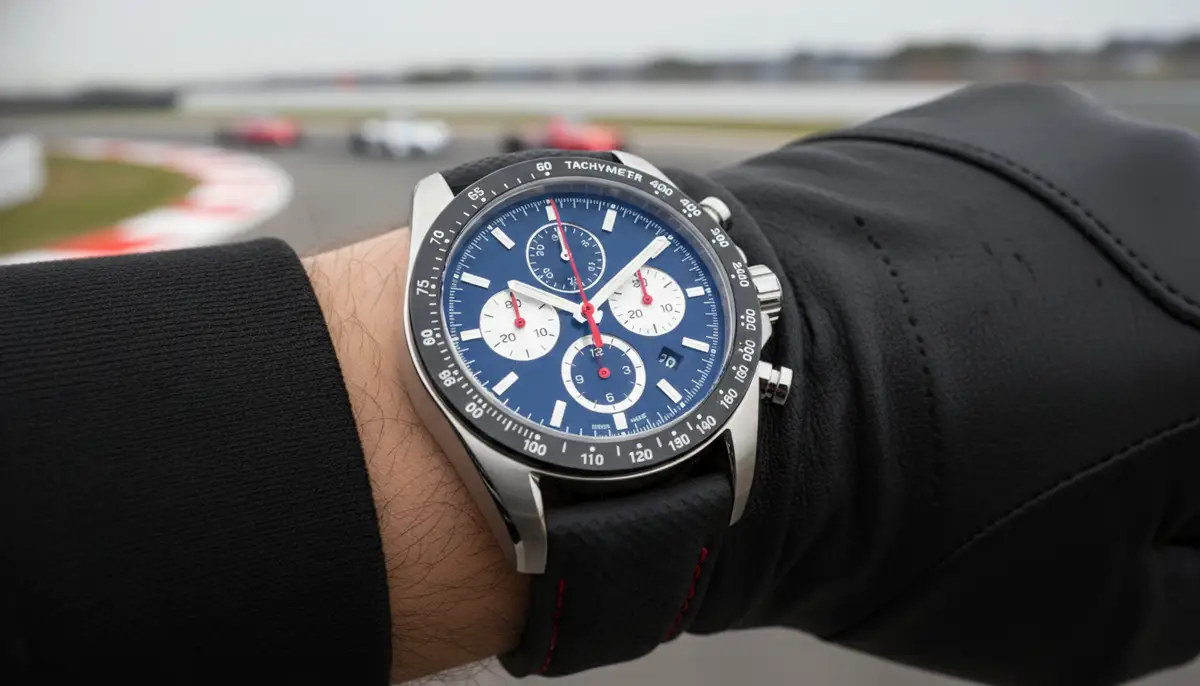
Understanding the internal workings of a chronograph can seem daunting. However, the basic principles are quite straightforward. Most chronographs feature at least two pushers, often located at 2 o'clock and 4 o'clock positions on the watch case. The crown, usually at 3 o'clock, sets the main time.
- Start: Pressing the top pusher (often at 2 o'clock) starts the chronograph's central seconds hand, which sweeps around the dial.
- Stop: Pressing the same top pusher again stops the elapsed time measurement. The hands freeze, showing the precise duration.
- Reset: Pressing the bottom pusher (often at 4 o'clock) resets all chronograph hands back to their zero positions, ready for a new measurement.
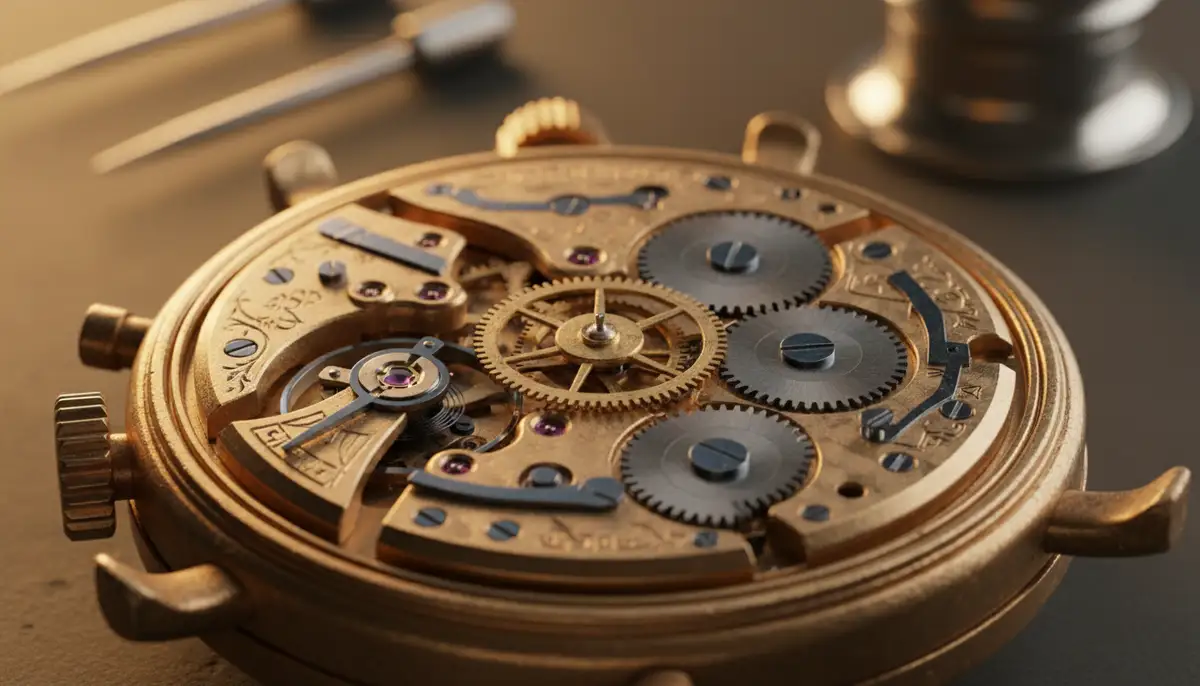
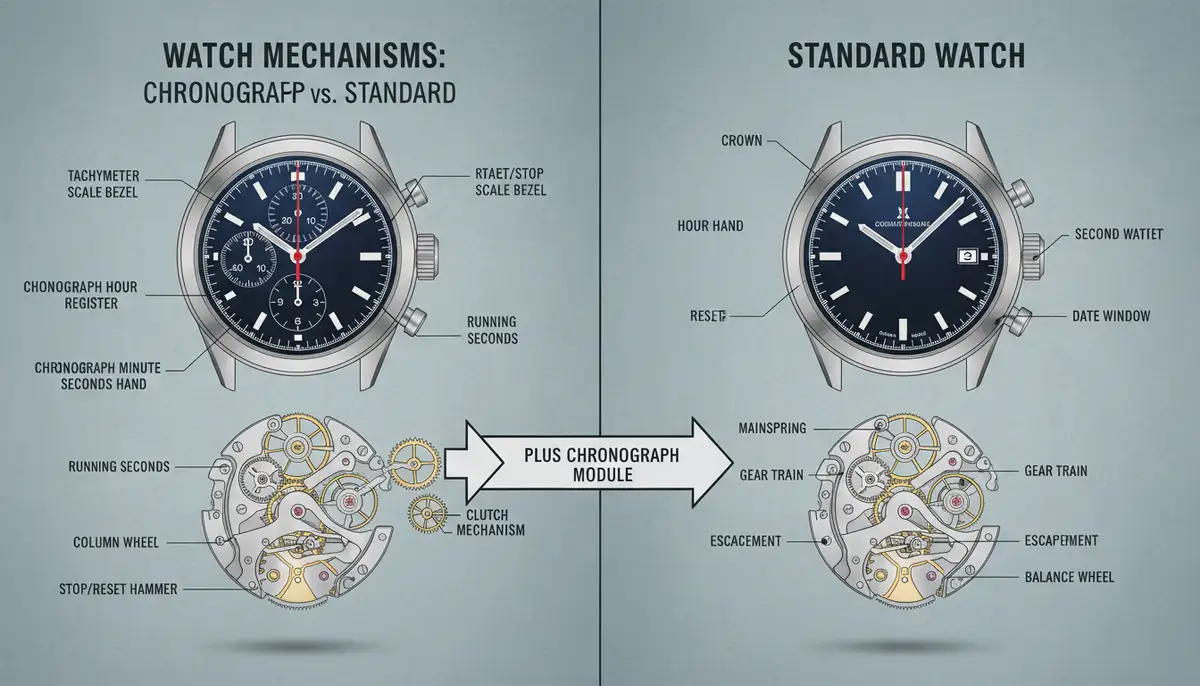
Inside a mechanical chronograph, a complex system of gears, levers, and springs powers these functions. When you activate the pusher, it engages a clutch mechanism. This mechanism connects the chronograph's timing gears to the main watch movement. When you stop it, the clutch disengages. The reset function uses a heart-shaped cam to snap the hands back to zero. For a visual explanation of this intricate mechanism, you can watch this helpful video:
.Quartz chronographs use electronic circuits and miniature motors. They achieve the same functions with fewer mechanical parts. Both types offer excellent accuracy. The choice often comes down to personal preference for mechanical craftsmanship versus modern convenience. Knowing how these mechanisms operate truly defines what is a chronograph beyond its face value.
Key Components of a Chronograph Watch
To fully grasp what is a chronograph, let's look at its essential parts:
- Main Dial: Displays the current time with hour, minute, and sometimes a running seconds hand.
- Central Chronograph Seconds Hand: This is the long, sweeping hand that starts, stops, and resets with the pushers. It measures elapsed seconds.
- Sub-dials (Registers): Smaller dials on the main face. They typically measure elapsed minutes (up to 30 or 60) and hours (up to 12). Some chronographs also have a small running seconds hand for the main time.
- Pushers: The buttons on the side of the case that control the start, stop, and reset functions of the stopwatch.
- Tachymeter Scale: Often found on the bezel or outer rim of the dial. It allows you to calculate speed based on travel time over a known distance. This is a common feature that enhances the utility of a chronograph.
These components work together seamlessly. They provide both timekeeping and precise event timing. This combination is what makes a chronograph so appealing. It's a blend of precision and style, as highlighted by insights into chronograph watches.
Types of Chronographs: Beyond the Basic
While the basic function remains consistent, chronographs come in various specialized forms. Each type offers unique capabilities. Understanding these variations helps you appreciate the full scope of what is a chronograph.
- Flyback Chronograph: This type allows you to stop, reset, and restart the chronograph with a single press of a pusher. This is incredibly useful for timing consecutive events quickly, such as in aviation.
- Rattrapante (Split-Seconds) Chronograph: This is a highly complex chronograph featuring two central seconds hands. You can stop one hand to record an intermediate time while the other continues to run. Pressing the pusher again makes the stopped hand 'catch up' to the running one. This is perfect for timing multiple events that start at the same time but end at different intervals, like lap times in a race.
- Monopusher Chronograph: Unlike standard chronographs with two pushers, a monopusher uses a single button (often integrated into the crown) to control all start, stop, and reset functions. This offers a cleaner aesthetic and a different user experience.
- Regatta Chronograph: Designed specifically for sailing races, these chronographs often feature a countdown timer before the race start. They typically have colorful segments on a sub-dial to indicate the countdown phases.
These specialized chronographs showcase the ingenuity of watchmakers. They cater to specific needs and activities. Each variation adds another layer to the answer of what is a chronograph.
Practical Uses of a Chronograph in 2025
Even in an age of smartwatches and digital timers, the chronograph remains highly relevant. Its tactile experience and reliability are unmatched. Here are some modern applications:
- Sports and Athletics: Timing laps, sprints, or overall event durations remains a primary use. From professional racing to personal fitness, a chronograph offers immediate, precise feedback.
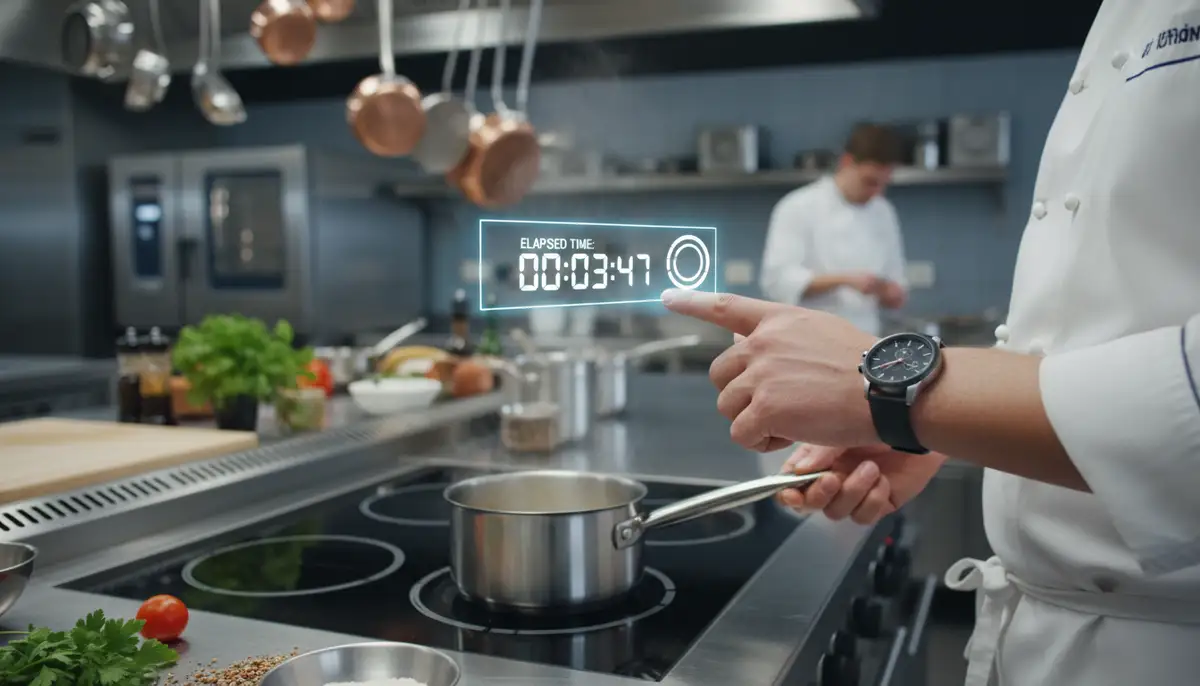
- Cooking and Baking: Accurately timing cooking steps, baking times, or steeping tea. It adds a touch of classic precision to your kitchen.
- Photography: Measuring exposure times or intervals for time-lapse photography. It provides control that digital timers might not.
- Travel and Navigation: Using the tachymeter scale to calculate average speed on a road trip. Or timing flight segments for pilots (though largely replaced by digital systems, it's still a valuable backup).
Beyond these, many people simply enjoy the mechanical artistry. The ability to engage with a complex machine on your wrist is a unique pleasure. This diverse utility truly highlights what is a chronograph in today's world. If you're looking for a watch with practical applications, a chronograph is an excellent choice. You might even find it useful for academic settings, as discussed in finding the best watch for ACT preparation.
Chronograph vs. Regular Watch vs. Stopwatch
It's easy to confuse a chronograph with other time-measuring devices. Let's clarify the differences. Understanding these distinctions further explains what is a chronograph.
| Feature | Regular Watch | Stopwatch | Chronograph |
|---|---|---|---|
| Time Display | Yes | No | Yes |
| Elapsed Time Measurement | No | Yes | Yes |
| Independent Functions | N/A | N/A | Yes |
| Portability | Wrist/Pocket | Handheld | Wrist |
| Complexity | Simple | Simple | Complex |
A regular watch only tells time. A standalone stopwatch only measures elapsed time. A chronograph combines both functions into one elegant package. This makes it a highly versatile tool. It offers the best of both worlds. The ability to perform both tasks simultaneously is the defining characteristic of what is a chronograph. You can learn more about how to use one effectively in this guide to chronograph watches.
Choosing the Right Chronograph for You
With so many options available, choosing a chronograph can be exciting. Consider your needs and preferences. Do you prefer a mechanical movement with its intricate gears? Or do you lean towards the precision and affordability of a quartz movement? Your lifestyle also plays a role. A robust sports chronograph might suit an active individual. A dressier, elegant chronograph could be perfect for formal occasions.
- Movement Type: Mechanical (manual or automatic winding) offers craftsmanship and heritage. Quartz (battery-powered) provides accuracy and lower maintenance.
- Design and Aesthetics: Chronographs come in various styles, from minimalist to highly technical. Consider dial color, case material, and strap type.
- Features: Do you need a flyback function, a rattrapante, or just a basic stopwatch? Think about how you will use the chronograph.
- Brand and Budget: Chronographs range widely in price. Reputable brands offer quality at different price points. Researching options is key.
Many companies, from established luxury brands to microbrands, offer excellent chronographs. Even in the digital watch space, customization is king. For instance, platforms like WatchMaker offer thousands of watch faces for Apple Watch and WearOS devices. This allows users to personalize their digital timepieces, much like traditional chronographs offer unique aesthetics. You can explore options from companies like facer.io, Pujie Black, and amoledwatchfaces.com for digital watch face solutions, but nothing quite matches the tactile feel of a physical chronograph. This choice helps you define what is a chronograph for your personal style.
Maintenance and Care for Your Chronograph
Like any precision instrument, a chronograph requires proper care. Regular maintenance ensures its longevity and accuracy. This is especially true for mechanical chronographs. They have many moving parts. Understanding care practices is part of knowing what is a chronograph.
- Regular Servicing: Mechanical chronographs should be serviced every 3-5 years by a qualified watchmaker. This involves cleaning, lubricating, and adjusting the movement.
- Water Resistance: Always check your watch's water resistance rating before exposing it to water. Ensure the crown and pushers are properly sealed.
- Cleaning: Use a soft cloth to wipe down your watch regularly. Avoid harsh chemicals.
- Storage: When not wearing your chronograph, store it in a cool, dry place, away from direct sunlight and strong magnetic fields.
Proper care will keep your chronograph functioning beautifully for years to come. It preserves its value and performance. This attention to detail extends the life of your investment. It ensures your answer to what is a chronograph remains a positive one.
The Future of Chronographs in a Digital World
In 2025, smartwatches dominate much of the wearable tech market. They offer digital stopwatch functions and much more. However, the appeal of the traditional chronograph endures. Its charm lies in its mechanical complexity and timeless design. It represents a connection to history and craftsmanship that digital devices cannot replicate.
Many watch enthusiasts see chronographs as works of art. They are miniature machines on the wrist. They offer a tangible experience that a screen simply cannot. Brands continue to innovate, blending traditional aesthetics with modern materials and technologies. This ensures the chronograph's place in the future. The question of what is a chronograph will continue to evolve, embracing both heritage and innovation.
For those interested in the broader digital landscape, understanding how traditional brands adapt is key. Learning about growing your digital brand organically can offer valuable insights into market trends.
Conclusion: The Enduring Appeal of What is a Chronograph
So, what is a chronograph? It is much more than just a watch with a stopwatch. It is a testament to human ingenuity, precision engineering, and enduring style. From its origins in timing horse races to its modern applications in various fields, the chronograph has proven its versatility and appeal. Whether you are a seasoned collector or new to the world of watches, a chronograph offers a unique blend of functionality and elegance.
Its intricate mechanics, diverse types, and rich history make it a fascinating subject. Owning a chronograph means carrying a piece of horological history on your wrist. It provides a practical tool for everyday life. We hope this guide has helped you understand what is a chronograph and why it continues to captivate enthusiasts worldwide. If you're looking to personalize your digital watch experience, remember that WatchMaker offers thousands of best faces for Apple Watch and WearOS devices, allowing you to customize your wearable tech to reflect your unique style.
Related Posts

The Watch Face Mistake Almost Every New Garmin Owner Makes
There's a predictable arc to owning a new Garmin. Day one, you install a watch face that shows everything: heart rate, steps, battery, weather, two time zones,...

The Ultimate Apple Watch Strap Guide: Find Your Perfect Fit & Style in 2025
Introduction: Your Essential Apple Watch Strap Guide for 2025 Your Apple Watch is more than just a gadget. It's a personal statement, a fitness tracker, and a...