
 Pokemon Card Scanner
 Live Wallpapers Unlimited




Smart Watch vs Analog Watch: Choosing Your Perfect Timepiece in 2025
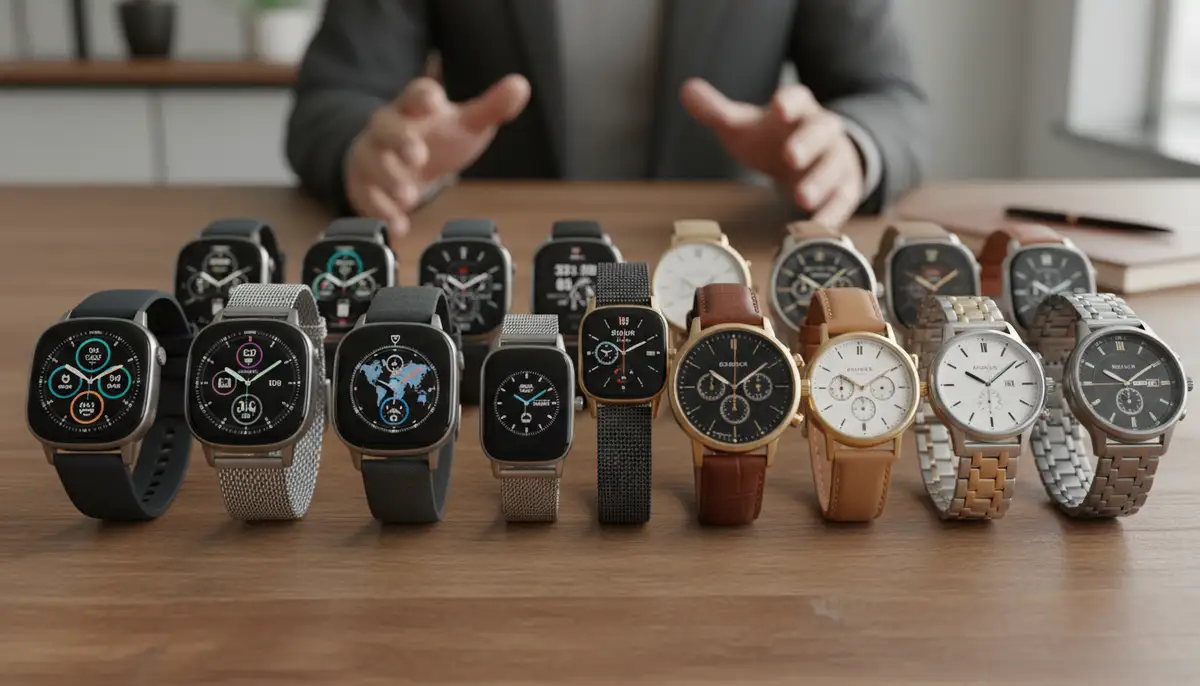
In 2025, the debate between a smart watch vs analog watch is more relevant than ever. Technology continues to advance rapidly, making smartwatches incredibly powerful. Yet, the timeless appeal of a classic analog watch remains strong. Choosing the right timepiece is not just about telling time anymore. It is about personal style, functionality, and how you interact with the world around you.
This guide will help you navigate this decision. We will explore the unique strengths and weaknesses of both options. By the end, you will have a clear understanding of which watch best suits your needs and lifestyle. Let's dive into the core differences and help you pick your perfect wrist companion.
The Enduring Charm of Analog Watches
Analog watches have been around for centuries. They represent a blend of craftsmanship, tradition, and artistry. Many people appreciate the mechanical marvels inside these timepieces. Each tick is a testament to intricate engineering.
An analog watch is often seen as a piece of jewelry. It can elevate any outfit, from casual to formal. Unlike smartwatches that might look best in casual settings, analog watches are truly versatile. They excel at complementing all kinds of occasions and attires, as highlighted by a discussion on analog watches over smart ones on Medium. This makes them a reliable choice for any event.
Beyond aesthetics, analog watches offer a sense of intentionality. They communicate a thoughtful approach to personal style. While a smartwatch signals functionality, an analog watch often communicates thoughtfulness and intentionality, as noted in an article about the benefits of owning an analog watch. They are simple, elegant, and often require less attention than their smart counterparts.
Key Features and Benefits of Analog Watches
Analog watches offer a distinct set of advantages. These benefits often appeal to those who value tradition and simplicity. They are more than just time-telling devices; they are statements.
- Timeless Style: Analog watches offer classic designs that never go out of fashion. They complement both formal and casual wear.
- Durability and Longevity: Many analog watches are built to last decades, often becoming heirlooms. They require less frequent upgrades than smartwatches.
- No Charging Needed: Most analog watches run on batteries that last for years or are self-winding mechanical movements. This means no daily charging.
- Simplicity and Focus: They tell time and often the date, reducing distractions. This can help you stay more present and focused.
- Status Symbol: High-end analog watches are often seen as status symbols, reflecting taste and success. They represent a commitment to quality and craftsmanship.
- Craftsmanship: Appreciate the intricate mechanical movements and detailed dials. Each watch is a piece of art.
The Powerhouse: Exploring Smartwatches in 2025
Smartwatches have evolved dramatically. In 2025, they are sophisticated mini-computers on your wrist. They seamlessly integrate with your digital life. These devices offer a wealth of features that go far beyond telling time.
From tracking your health to managing notifications, smartwatches are designed for convenience. They keep you connected without needing to pull out your phone. This integration makes daily tasks easier and more efficient. For example, you can quickly check messages or make payments with a tap of your wrist.
The customization options for smartwatches are virtually endless. You can change watch faces to match your mood or outfit. Our platform, WatchMaker, offers thousands of watch faces for Apple Watch and Wear OS devices. This allows for unparalleled personalization. You can easily download watch faces to transform your smartwatch's look daily.
Key Features and Benefits of Smartwatches
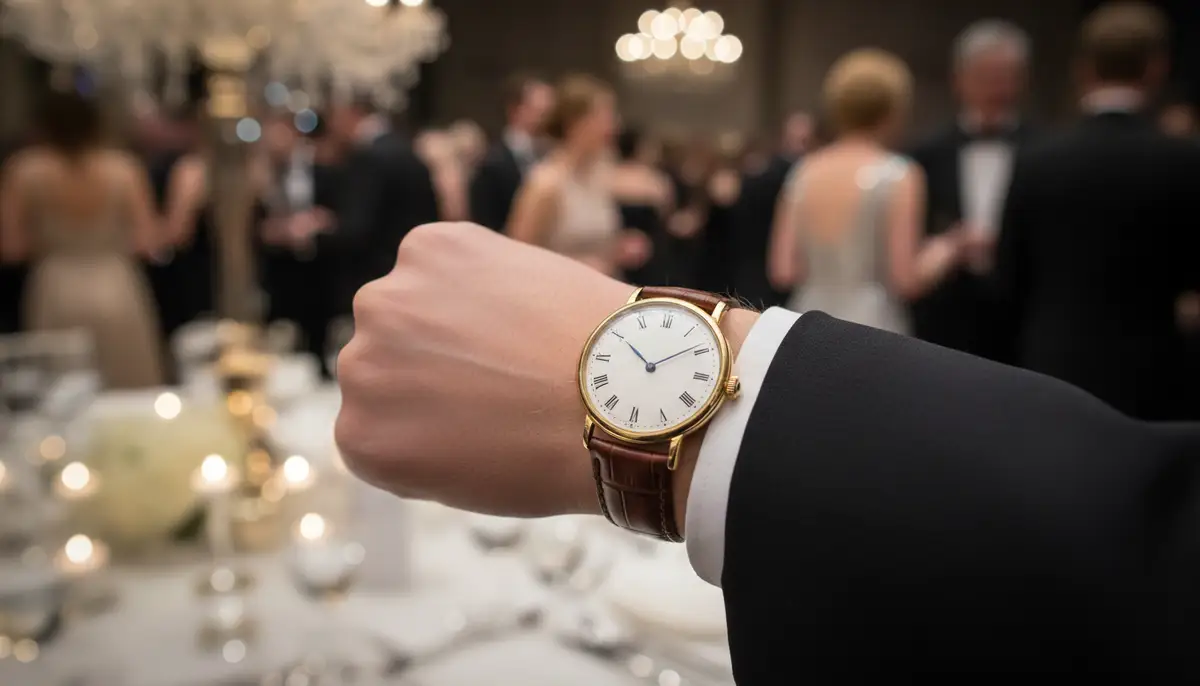
Smartwatches are packed with technology designed to enhance your daily life. They serve as personal assistants, health monitors, and communication hubs. Their capabilities are constantly expanding with new software updates.
- Health and Fitness Tracking: Monitor heart rate, steps, sleep, blood oxygen, and even ECG. Many smartwatches offer advanced workout tracking and GPS.
- Notifications and Communication: Receive calls, texts, emails, and app alerts directly on your wrist. You can often respond without touching your phone.
- Mobile Payments: Make secure payments with a tap using services like Apple Pay or Google Pay. This adds convenience to your shopping experience.
- GPS and Navigation: Get directions on your wrist without looking at your phone. This is especially useful for walking or cycling.
- Music Control: Manage your music playback directly from your watch. You can skip tracks or adjust volume easily.
- Customization: Change watch faces, straps, and even add apps. This allows for a highly personalized device that reflects your style and needs.
- App Ecosystem: Access a wide range of apps for productivity, entertainment, and more. Your smartwatch can do much more than just tell time.
Smart Watch vs Analog Watch: A Feature Showdown
When comparing a smart watch vs analog watch, it is helpful to look at specific features side-by-side. This direct comparison highlights where each type of watch truly excels. Your choice often comes down to which features you prioritize most in your daily life.
| Feature | Smart Watch | Analog Watch |
|---|---|---|
| Timekeeping Accuracy | Digital precision, often synced with atomic clocks. | Mechanical or quartz movement, highly accurate but can drift slightly. |
| Functionality | Multi-functional: health, notifications, payments, apps, etc. | Primarily time-telling, often with date/day complications. |
| Battery Life | 1-7 days (requires frequent charging). | Years for quartz, perpetual for mechanical (no charging). |
| Style & Aesthetics | Modern, tech-focused, highly customizable with digital faces. | Classic, elegant, timeless, often seen as jewelry. |
| Durability | Screen susceptible to scratches, electronic components can fail. | Built with robust materials, often repairable for decades. |
| Price Range | Entry-level to high-end, often depreciates quickly. | Entry-level to luxury heirlooms, can appreciate in value. |
| Connectivity | Bluetooth, Wi-Fi, cellular (depends on model). | None. |
| Maintenance | Software updates, battery replacement every few years. | Battery replacement (quartz), occasional servicing (mechanical). |
Customization and Personalization
Customization is a major differentiator in the smart watch vs analog watch discussion. Smartwatches offer unparalleled flexibility. You can change your watch face daily to match your outfit, mood, or activity. Platforms like WatchMaker provide an extensive library of watch faces. This allows users to truly personalize their device. You can find everything from minimalist designs to intricate, data-rich displays.
Beyond WatchMaker, other industry solutions also offer great customization. Companies like amoledwatchfaces.com, Pujie Black, and watchfacely.com provide various options. This vibrant ecosystem means you are never stuck with one look. You can also swap out straps easily, further enhancing personalization. For those who enjoy tinkering with their devices, learning how to set Armitron watch settings or other brands can be a satisfying experience.
Analog watches, while less digitally customizable, offer their own form of personalization. You choose a specific model, a particular brand, and a strap material. This choice reflects your personal taste and values. The customization comes from the initial selection and the story behind the watch. You might choose a specific dial color or a unique complication, making it distinctly yours.
Lifestyle Match: Who Benefits Most from Each?
Your lifestyle plays a huge role in deciding between a smart watch vs analog watch. Consider how you spend your days and what you need from a timepiece. Do you crave connectivity and data, or do you prefer simplicity and timeless elegance? The answer will guide your choice.
For some, the constant notifications of a smartwatch are a blessing. For others, they are a distraction. It is important to assess your personal preferences. Think about your daily routine and what kind of support you want on your wrist. The video below offers more insights into this decision:
When an Analog Watch Shines
An analog watch is perfect for certain situations and personalities. It offers a different kind of value than a smartwatch. Consider these scenarios where an analog watch truly stands out.
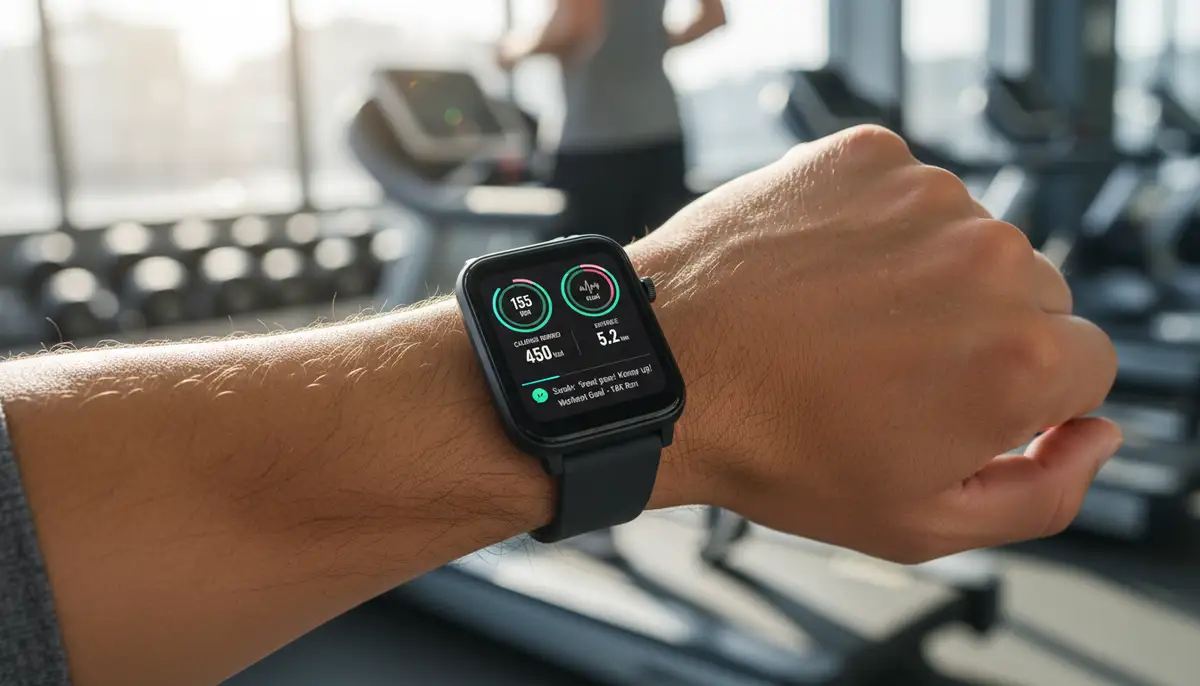
- Formal Occasions: A classic analog watch adds sophistication to any formal attire. It's often the preferred choice for business meetings, weddings, and galas.
- Minimalist Lifestyle: If you prefer fewer distractions and a simpler approach to technology, an analog watch is ideal. It focuses on its core function: telling time.
- Appreciation for Craftsmanship: Collectors and enthusiasts value the mechanical artistry. They appreciate the intricate movements and heritage behind each piece.
- Long-Term Investment: High-quality analog watches can hold or even increase their value over time. They are often passed down through generations.
- Digital Detox: Choosing an analog watch can be part of a conscious effort to reduce screen time. It helps you disconnect from constant digital demands.
When a Smartwatch is Your Best Bet
Smartwatches are indispensable for those who lead active, connected lives. They bring a wealth of digital tools to your wrist. Here’s when a smartwatch becomes your ultimate companion.
- Fitness Enthusiasts: Track every workout, monitor vital signs, and set fitness goals. Smartwatches are powerful tools for health management.
- Tech-Savvy Individuals: If you love gadgets and staying updated with the latest tech, a smartwatch offers constant innovation and new features.
- Busy Professionals: Manage your schedule, respond to emails, and take calls discreetly. Smartwatches enhance productivity on the go.
- Travelers: Use GPS, currency converters, and language translation apps right from your wrist. This makes navigating new places much easier.
- Safety and Convenience: Features like emergency SOS, fall detection, and contactless payments add layers of safety and convenience to your daily life.
The Longevity and Maintenance Aspect
The lifespan and maintenance requirements are key considerations in the smart watch vs analog watch debate. These factors can significantly impact your long-term satisfaction and cost of ownership. Understanding them helps you make an informed decision.
Smartwatches, being electronic devices, tend to have a shorter functional lifespan. Their batteries degrade over time, and software can become outdated. While they receive updates, hardware eventually limits their capabilities. This often leads to upgrading every few years. However, proper care can extend their life. For example, knowing how to set Tissot watch features or other brands properly ensures optimal performance.
Analog watches, especially mechanical ones, are built to last. With proper care and regular servicing, they can function for decades, even centuries. They are often repairable, with parts that can be replaced by skilled watchmakers. This makes them a sustainable choice and a potential heirloom. The investment in an analog watch can truly stand the test of time.
Battery Life and Charging
This is one of the most significant differences between a smart watch vs analog watch. Smartwatches typically require charging every 1-7 days. This can be an inconvenience for some users. Forgetting your charger or being away from an outlet can render your device useless.
Analog watches, on the other hand, offer superior battery longevity. Quartz watches use a small battery that lasts several years. Mechanical watches are either hand-wound or automatic (self-winding). They do not require any external power source. This freedom from daily charging is a major draw for many analog watch enthusiasts.
Durability and Materials
Both types of watches are designed with varying levels of durability. However, their vulnerabilities differ. Smartwatches often feature large touchscreens, which can be susceptible to scratches or cracks. While many come with toughened glass, they are still electronics. Exposure to extreme conditions or impacts can damage internal components.
Analog watches are typically built with robust materials like stainless steel, sapphire crystal, and durable leathers or metals for straps. Their mechanical nature means fewer electronic parts to fail. While they can still be damaged, many high-quality analog watches are designed to withstand significant wear and tear. They often have better water resistance ratings as well, making them more resilient in various environments.
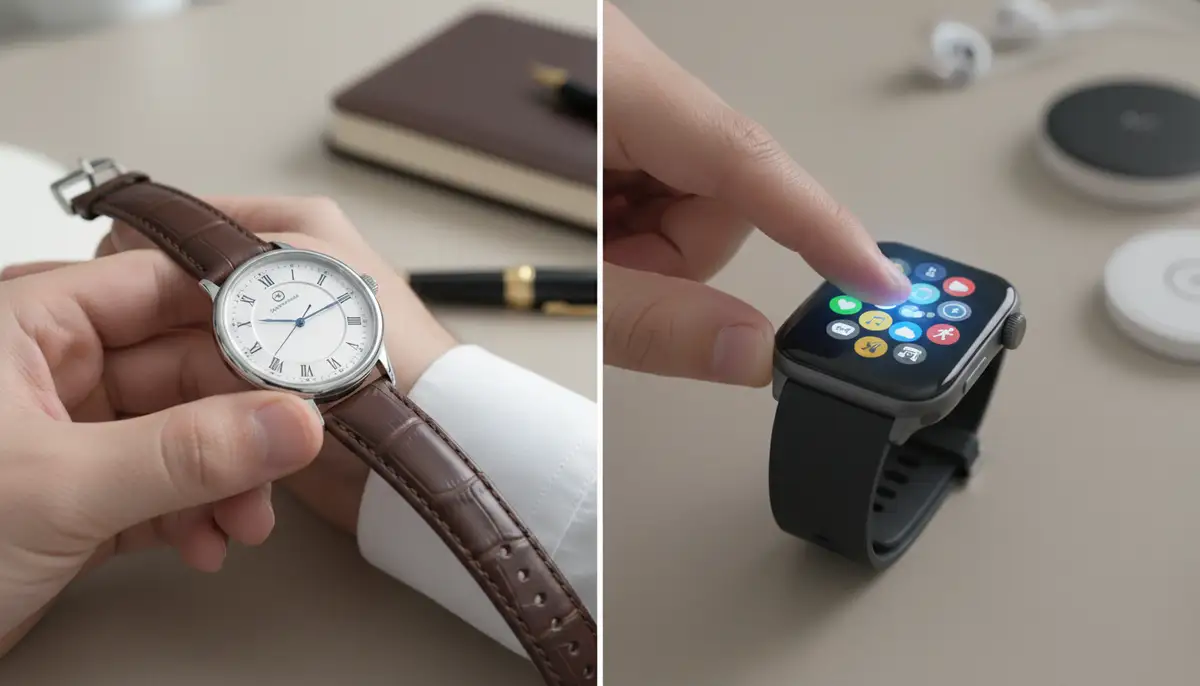
The Cost Factor: Smart Watch vs Analog Watch
Cost is always a significant consideration when making a purchase. The price range for both smartwatches and analog watches is vast. You can find entry-level options for under $100 and luxury models costing thousands. However, the long-term value proposition often differs greatly between a smart watch vs analog watch.
When deciding which watch to buy, consider not just the upfront cost but also potential future expenses. These might include repairs, battery replacements, or the need for upgrades. A detailed comparison can help you understand the true cost of ownership. Many people ask, which watch should I buy, a smart watch or a normal watch? The answer often depends on your budget and what you value most.
Initial Investment
Entry-level smartwatches can be quite affordable. You can find basic models for around $50-$150. Mid-range options typically fall between $200-$500. Premium smartwatches, like the latest Apple Watch Ultra or high-end Garmin models, can easily exceed $800-$1000. These prices reflect advanced features, better materials, and brand prestige.
Analog watches also start at similar entry points, with many reliable quartz watches available for under $100. The mid-range for analog watches (mechanical or higher-quality quartz) is generally $200-$1000. Luxury analog watches can range from a few thousand dollars to hundreds of thousands or even millions. These watches are often seen as investments or collector's items.
Long-Term Value and Resale
The long-term value heavily favors analog watches, especially mechanical ones from reputable brands. These watches often hold their value well and can even appreciate over time. They are built to last and have a timeless appeal. This makes them a sound investment for many.
Smartwatches, like most electronics, tend to depreciate quickly. New models are released annually, making older versions less desirable. While they offer immense utility, their resale value is generally much lower. This is an important factor when considering the total cost of ownership over several years. The rapid pace of technological change means today's cutting-edge smartwatch is tomorrow's outdated gadget.
Making Your Decision in 2025: Smart Watch vs Analog Watch
Choosing between a smart watch vs analog watch in 2025 comes down to understanding your priorities. There is no single 'best' option. The ideal timepiece is the one that best complements your lifestyle, values, and practical needs. Take a moment to reflect on what truly matters to you.
Do you prioritize connectivity, health tracking, and digital convenience? A smartwatch will likely be your preferred choice. Are you drawn to classic aesthetics, enduring craftsmanship, and a simpler approach to timekeeping? Then an analog watch might be the perfect fit. Many people even own both, using a smartwatch for workouts and an analog watch for formal events.
Ultimately, the smart watch vs analog watch debate is a personal journey. Consider the points we have discussed, from features and benefits to longevity and cost. Your perfect watch is waiting for you, ready to be a functional tool or a timeless statement piece.
Whether you choose the high-tech marvel or the classic beauty, your watch is an extension of you. Make a choice that you will enjoy wearing every single day. Happy choosing!
Related Posts

The Watch Face Mistake Almost Every New Garmin Owner Makes
There's a predictable arc to owning a new Garmin. Day one, you install a watch face that shows everything: heart rate, steps, battery, weather, two time zones,...

The Ultimate Apple Watch Strap Guide: Find Your Perfect Fit & Style in 2025
Introduction: Your Essential Apple Watch Strap Guide for 2025 Your Apple Watch is more than just a gadget. It's a personal statement, a fitness tracker, and a...