
 Pokemon Card Scanner
 Live Wallpapers Unlimited




Mastering Time: Your Ultimate Guide on How to Watch Clock in 2025
Introduction: Understanding the Timeless Art of How to Watch Clock
In our fast-paced world of 2025, understanding time remains a fundamental skill. Whether you are glancing at a classic wall clock or checking your latest smartwatch, knowing how to watch clock is essential. This comprehensive guide will break down the art of telling time, making it simple and straightforward. We will cover everything from the basics of analog clocks to the nuances of digital displays. You will gain confidence in reading any timepiece you encounter.
Many people find analog clocks intimidating at first glance. However, with a few simple tips, you can master them quickly. Digital clocks seem easier, but they also have their own conventions. By the end of this article, you will not only know how to watch clock but also appreciate the different ways we measure our day. Let's dive into the fascinating world of timekeeping!
The Anatomy of a Clock: Decoding the Face
Before you can truly learn how to watch clock, you need to understand its basic components. Every clock, especially an analog one, has specific parts that work together to show you the time. Knowing these parts is your first step to becoming a time-telling expert. Let's look at the key elements you will find on most clocks.
- The Clock Face: This is the circular or square surface where the numbers and hands are located.
- Numbers (1-12): These indicate the hours. Some clocks might use Roman numerals or simple markers instead.
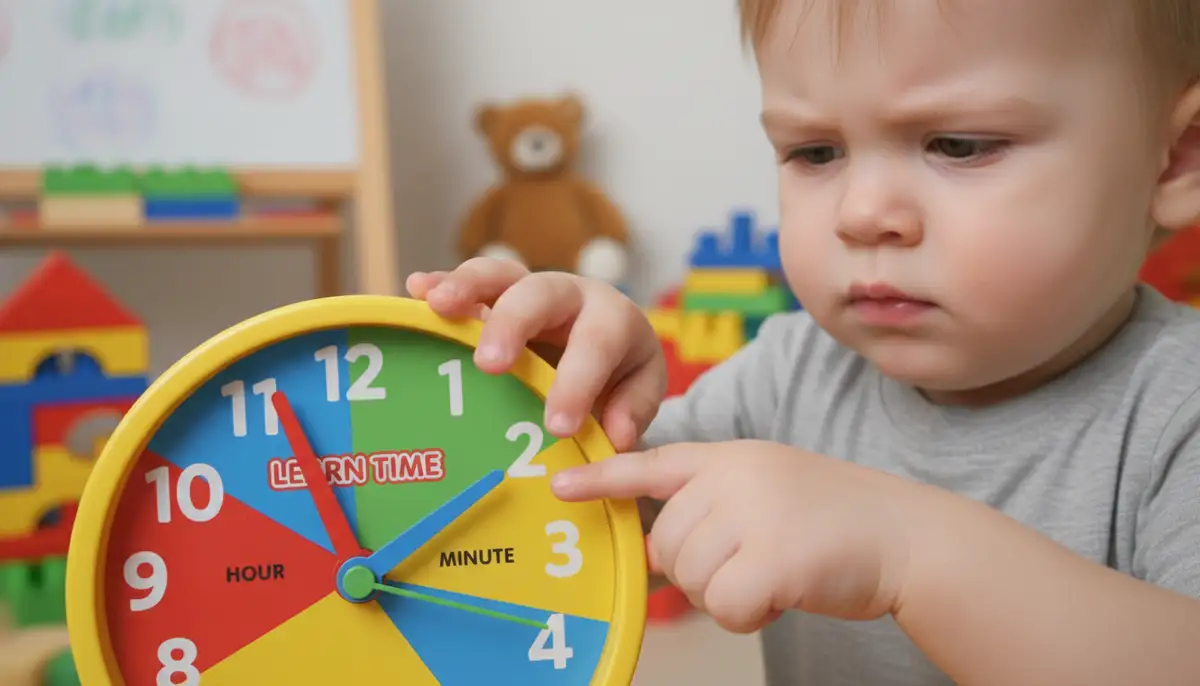
- Hour Hand: This is typically the shortest and thickest hand. It points to the hour.
- Minute Hand: This hand is longer and thinner than the hour hand. It points to the minutes.
- Second Hand: On many clocks, there's a very thin, fast-moving hand. It tracks the seconds.
- Minute Markers: Small lines or dots around the edge of the clock face. These mark individual minutes or five-minute intervals.
Each of these components plays a crucial role in displaying time accurately. Once you can identify each part, you are well on your way to mastering how to watch clock. Remember, practice makes perfect when learning these visual cues.
Mastering Analog Clocks: Your First Steps to How to Watch Clock
Analog clocks might seem complex, but they follow a logical system. Learning how to watch clock on an analog display involves understanding the movement and purpose of each hand. We will break it down into easy steps for you.
How to Watch Clock: The Hour Hand
The hour hand is the shortest hand on the clock. It moves slowly, completing a full circle in twelve hours. To read the hour, simply look at which number the hour hand is pointing to, or has just passed. If it's between two numbers, the hour is always the number it has just passed. For example, if it's between 3 and 4, the hour is 3. The precise minute will tell you how far past the hour you are. This is a crucial step in understanding how to watch clock.
Remember that the hour hand doesn't jump directly from one number to the next. It moves gradually. This continuous motion is what makes the analog clock a bit more challenging than a digital one. However, it also offers a visual representation of time's flow.
How to Watch Clock: The Minute Hand
The minute hand is longer than the hour hand and moves much faster. It completes a full circle every hour. Each number on the clock face also represents a five-minute interval for the minute hand. Starting from the 12, which is 0 minutes or 'o'clock', you count by fives as the minute hand moves clockwise.
For instance, if the minute hand points to the 1, it's 5 minutes past the hour. If it points to the 2, it's 10 minutes past, and so on. When the minute hand is at the 3, it's 'quarter past' (15 minutes). At the 6, it's 'half past' (30 minutes). When it reaches the 9, it's 'quarter to' the next hour (45 minutes past the current hour). The 12 signifies the start of a new hour, or 'o'clock'. This method is fundamental to learning how to watch clock effectively. For a deeper dive, you can explore telling time on labeled analog clocks to the nearest 5 minutes on Khan Academy.
Small tick marks between the numbers represent individual minutes. If the minute hand is between the 1 and the 2, you count from 5 (at the 1) and then add the individual tick marks. This precision helps you tell the exact time. The British Council also offers a helpful explanation on how the little hand shows us the hours and the big hand shows us the minutes. Knowing how to watch clock accurately involves paying attention to both hands.
The Second Hand: A Quick Glance
The second hand is the fastest and usually the thinnest hand. It completes a full circle in 60 seconds (one minute). While not always essential for telling the main time, it's useful for timing short events or simply observing the continuous flow of time. It reinforces the concept of how quickly time passes. Understanding its role enhances your overall comprehension of how to watch clock.
Sometimes, you might need to set your watch to the precise second. If you own an Armitron watch, you might find our comprehensive guide on how to set Armitron watch helpful for accurate time setting. This attention to detail ensures your timekeeping is always spot-on.
To further solidify your understanding of how to watch clock, especially analog ones, watching a visual demonstration can be incredibly beneficial. This video provides an excellent walkthrough:
. It offers a clear, step-by-step approach that complements what you've learned here.Practice Makes Perfect: Interactive Ways to Learn How to Watch Clock
Reading a clock is a skill that improves with practice. The more you interact with different timepieces, the more intuitive it becomes. There are many interactive ways to sharpen your ability to how to watch clock.
- Online Tools and Apps: Many websites and mobile applications offer interactive clock games and exercises. These can simulate analog clocks and ask you to identify the time.
- Physical Practice Clocks: You can buy or make a simple practice clock with movable hands. This hands-on approach is great for visual learners, especially children.
- Daily Routines: Make a conscious effort to check analog clocks throughout your day. Ask yourself, 'What time is it right now?' and then verify with a digital device.
- Setting Alarms: Practice setting alarms on analog clocks if you have one. This reinforces your understanding of specific times.
Engaging with these methods regularly will significantly boost your confidence. For more practice, Khan Academy provides an excellent resource to learn about how to tell time using an analog clock. Their exercises cover identifying hands and understanding hours and minutes. Consistent effort is key when learning how to watch clock.
Advanced Analog Reading: Beyond the Basics of How to Watch Clock
Once you've mastered the basics, you might encounter clocks that present new challenges. Some analog clocks don't have all the numbers, or they might incorporate different timekeeping systems. Let's explore some advanced scenarios for how to watch clock.
Reading Clocks Without Numbers
Some minimalist or decorative clocks only have markers for the hours, or even just the 12, 3, 6, and 9. In these cases, you rely on the position of the hands relative to these key markers. You'll need to visualize where the other numbers would be. For example, if the hour hand is halfway between the 12 and the 3 marker, it's around 1:30 or 2:00. This requires a stronger mental map of the clock face. It's a test of your foundational understanding of how to watch clock.
Understanding 24-Hour Time (Military Time) on Analog Clocks
While analog clocks primarily show 12-hour time, you can mentally convert to 24-hour time. For hours after noon, you add 12 to the hour shown. For example, 3 PM is 15:00 (3 + 12). This is useful if you work in fields that use 24-hour notation. It's an extra layer of skill when you learn how to watch clock and interpret it for different contexts.
Time Zones: A Brief Mention
When traveling or communicating internationally, time zones become important. While a single analog clock only shows local time, understanding time zones means knowing how to adjust the time mentally for different regions. This expands your global understanding of how to watch clock and its real-world applications.
| Analog Time | Digital Time (AM/PM) | 24-Hour Time |
|---|---|---|
| 1:00 | 1:00 AM | 01:00 |
| 6:30 | 6:30 AM | 06:30 |
| 12:00 | 12:00 PM (Noon) | 12:00 |
| 3:45 | 3:45 PM | 15:45 |
| 9:15 | 9:15 PM | 21:15 |
Digital Clocks: A Simpler Approach to How to Watch Clock
Digital clocks display time directly using numbers. This makes them appear much simpler to read than analog clocks. However, there are still a few things to keep in mind to fully understand how to watch clock in its digital form.
Reading Hours and Minutes Directly
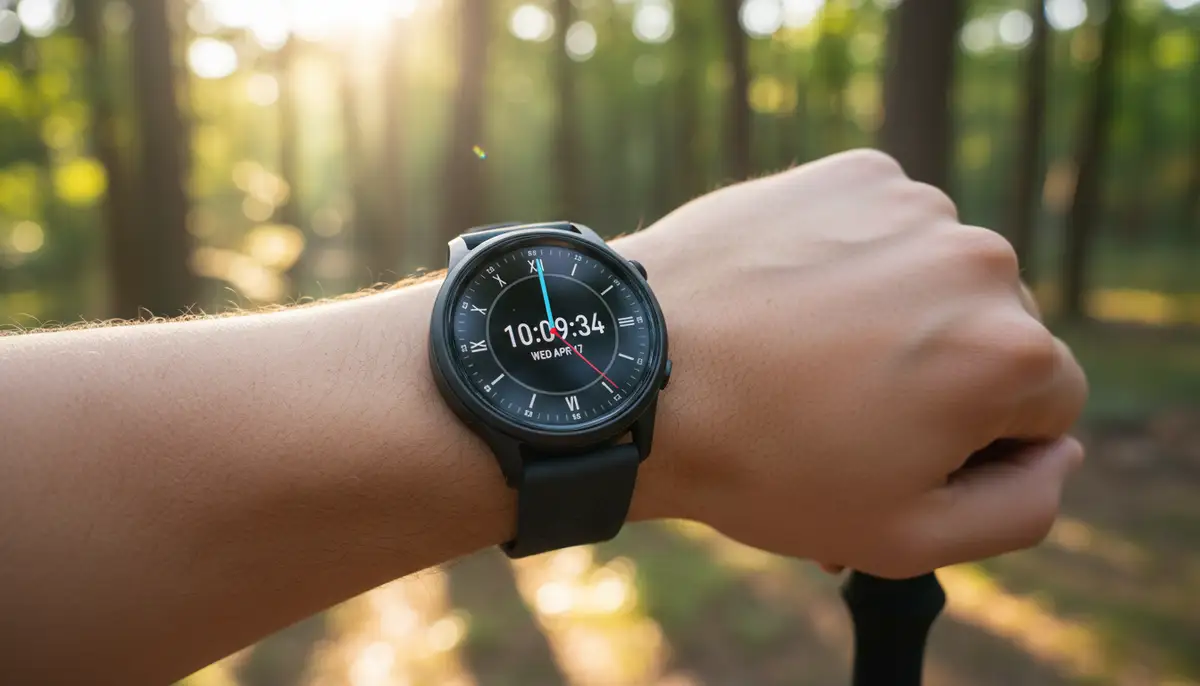
Digital clocks typically show the hour first, followed by the minutes, separated by a colon (e.g., 08:30). The first set of numbers is the hour, and the second set is the minutes. It's straightforward and removes the need for interpreting hand positions. This directness is why many prefer digital timekeeping.
Understanding AM/PM on Digital Displays
Most 12-hour digital clocks will include 'AM' (Ante Meridiem) for morning hours (midnight to noon) or 'PM' (Post Meridiem) for afternoon/evening hours (noon to midnight). This distinction is crucial to avoid confusion, especially when scheduling. Always check for the AM or PM indicator. Some clocks might use a 24-hour format, where 13:00 is 1 PM, 14:00 is 2 PM, and so on, eliminating the need for AM/PM.
Converting Analog to Digital and Vice-Versa
A great exercise to solidify your time-telling skills is to practice converting between analog and digital formats. Look at an analog clock and write down the digital time, then check your answer. Do the reverse: take a digital time and draw where the hands would be on an analog clock. This mental exercise strengthens your grasp of how to watch clock in both formats. If you're working with specific digital watches, like a Tissot, you might find our guide on how to set Tissot watch very useful for precise adjustments.
The Evolution of Timekeeping: From Sundials to Smartwatches
The way we tell time has changed dramatically throughout history. From ancient sundials and water clocks to intricate mechanical devices, humanity has always sought better ways to measure the day. Today, in 2025, smartwatches represent the cutting edge of personal timekeeping, offering far more than just the time.
Modern smartwatches, like the Apple Watch and those running Wear OS, combine traditional time-telling with advanced technology. They can display both analog and digital clock faces, often with incredible customization options. This flexibility allows you to choose how to watch clock based on your preference or mood. Our platform, WatchMaker, specializes in providing thousands of unique watch faces for these devices, letting you personalize your timekeeping experience like never before.
Companies like clockologyapp.com, buddywatch.app, and amoledwatchfaces.com also offer various solutions for customizing your smartwatch display. However, WatchMaker prides itself on its vast selection and user-friendly interface, ensuring you find the perfect watch face for any occasion. These advancements truly redefine how to watch clock in the modern era.
Choosing Your Clock: Analog vs. Digital for Different Lifestyles
With so many options, you might wonder whether an analog or digital clock is better for you. Both have their advantages, and the best choice often depends on your personal preferences and needs. Understanding these differences helps you decide how to watch clock in a way that suits your lifestyle.
Analog Clocks: Pros and Cons
- Pros: They offer a visual representation of time's passage, showing you how much of an hour has gone by or is left. They are often seen as more traditional and stylish, especially in home decor or classic wristwatches. Learning to read them improves cognitive skills.
- Cons: Can be harder to read quickly, especially for children or those new to time-telling. Less precise for exact seconds without a second hand. Setting them can sometimes be more involved.
Digital Clocks: Pros and Cons
- Pros: Extremely easy and quick to read, displaying the exact time at a glance. Often include additional features like alarms, dates, and timers. Common in modern devices like smartphones and smartwatches.
- Cons: Don't provide the same visual sense of time's flow. Can be less aesthetically pleasing to some. Reliance on digital can sometimes hinder the development of analog reading skills.
Ultimately, the choice of how to watch clock is yours. Many people use a combination of both. A digital display on their phone for quick checks, and an analog watch for style or a wall clock for a traditional feel. Smartwatches, like those supported by WatchMaker, bridge this gap beautifully, allowing you to switch between analog and digital watch faces. You can even download watch faces to customize your smartwatch experience to perfectly match your preference.
Common Mistakes and How to Avoid Them When Learning How to Watch Clock
Learning a new skill often involves making a few mistakes along the way. That's perfectly normal! When learning how to watch clock, some common errors can trip people up. Knowing what these are can help you avoid them and learn more quickly.
- Confusing the Hour and Minute Hands: This is perhaps the most common mistake. Always remember the hour hand is shorter and thicker, while the minute hand is longer and thinner. A quick glance at their relative lengths will help.
- Miscounting Minutes: When the minute hand is not on a number, it's easy to miscount the individual minute markers. Always count by fives from the previous number, then add the individual ticks carefully.
- Forgetting AM/PM: On 12-hour digital clocks, neglecting the AM/PM indicator can lead to significant confusion about morning or evening times. Always check for it.
- Not Practicing Regularly: Like any skill, reading a clock requires consistent practice. Don't just learn it once and forget it. Integrate it into your daily routine.
- Rushing: Take your time when first learning how to watch clock. Don't feel pressured to read it instantly. Accuracy is more important than speed initially.
By being aware of these potential pitfalls, you can approach learning how to watch clock with greater confidence and fewer frustrations. Patience and attention to detail will be your best allies.
Teaching Children How to Watch Clock: A Parent's Guide
Teaching children how to watch clock is a milestone in their development. It's a skill that empowers them with independence and a better understanding of their daily schedule. Making the learning process fun and engaging is key.
Making It Fun
Turn time-telling into a game. Use colorful clocks with large, clear numbers. Relate time to activities they enjoy, like 'It's 3 o'clock, time for your favorite show!' or 'We'll go to the park at half past 10.' This makes learning how to watch clock relevant to their world.
Interactive Games
Many educational apps and toys are designed specifically for teaching time. These can provide a playful environment for children to experiment with clock hands and digital displays. Look for games that allow them to move the hands and see the corresponding digital time, or vice-versa. This reinforces the concepts of how to watch clock in an interactive way.
Patience and Repetition
Learning to tell time takes time! Be patient with your child and offer plenty of repetition. Start with hours, then move to half hours, quarter hours, and finally individual minutes. Celebrate small victories. Consistent exposure and positive reinforcement will help them master how to watch clock at their own pace.
The Future of Time: Smartwatches and Beyond
As we look ahead, the way we interact with time is constantly evolving. Smartwatches, already prevalent in 2025, continue to push boundaries. These devices offer incredible versatility, allowing users to choose how to watch clock in countless ways. From classic analog faces to futuristic digital displays, the customization options are vast.
Platforms like WatchMaker are at the forefront of this revolution. We empower Apple Watch and Wear OS users to personalize their devices with thousands of unique watch faces. This means you can have a different look for every day, every mood, or every outfit. Whether you prefer a minimalist design, a complex data-rich display, or a whimsical animated face, the choice is yours. This level of personalization fundamentally changes the experience of how to watch clock.
Beyond simple time-telling, smartwatches integrate with our lives, offering notifications, health tracking, and seamless connectivity. The clock on your wrist is no longer just a time indicator; it's a powerful personal assistant. This blend of functionality and style ensures that the skill of how to watch clock remains relevant, even as the devices themselves become more sophisticated.
Conclusion: Your Journey to Mastering How to Watch Clock
You have now embarked on a comprehensive journey to understand how to watch clock. We've covered the fundamental components of analog clocks, the straightforward nature of digital displays, and even touched upon the exciting future of smartwatches. Whether you prefer the classic elegance of hands and numbers or the immediate clarity of digits, the principles remain the same.
Remember that practice is your most valuable tool. The more you engage with different clocks, the more natural and intuitive time-telling will become. Don't be afraid to make mistakes; they are part of the learning process. Soon, you will be able to tell time at a glance, no matter the type of clock you encounter. Mastering how to watch clock is a skill that serves you every single day, enhancing your efficiency and understanding of the world around you.
Keep learning, keep practicing, and enjoy the timeless art of knowing exactly what time it is. Your newfound ability to how to watch clock will open doors to better organization and a deeper appreciation for the rhythm of life.
Related Posts

The Watch Face Mistake Almost Every New Garmin Owner Makes
There's a predictable arc to owning a new Garmin. Day one, you install a watch face that shows everything: heart rate, steps, battery, weather, two time zones,...

The Ultimate Apple Watch Strap Guide: Find Your Perfect Fit & Style in 2025
Introduction: Your Essential Apple Watch Strap Guide for 2025 Your Apple Watch is more than just a gadget. It's a personal statement, a fitness tracker, and a...