
 Pokemon Card Scanner
 Live Wallpapers Unlimited




Mastering Your Timepiece: A Comprehensive Guide on How to Set Analog Watch in 2025
In an increasingly digital world, the enduring charm of an analog watch remains undeniable. Many people appreciate the craftsmanship and tradition of these beautiful timepieces. However, knowing exactly how to set analog watch can sometimes feel like a forgotten art. Whether you've just acquired a new watch, changed its battery, or traveled across time zones, getting your analog watch to display the correct time is a fundamental skill. This comprehensive guide will walk you through every step, ensuring your watch is always perfectly synchronized with the world around you in 2025.
Why It's Important to Know How to Set Analog Watch Properly
Setting your analog watch correctly is more than just about telling time. It's about maintaining the watch's movement and ensuring its longevity. Improper setting, especially with date functions, can damage delicate internal mechanisms. Understanding the specific steps for your watch type will prevent costly repairs and keep your timepiece accurate for years to come. You will gain a deeper appreciation for your watch by learning the right way to adjust it.
Understanding Your Analog Watch: Key Components
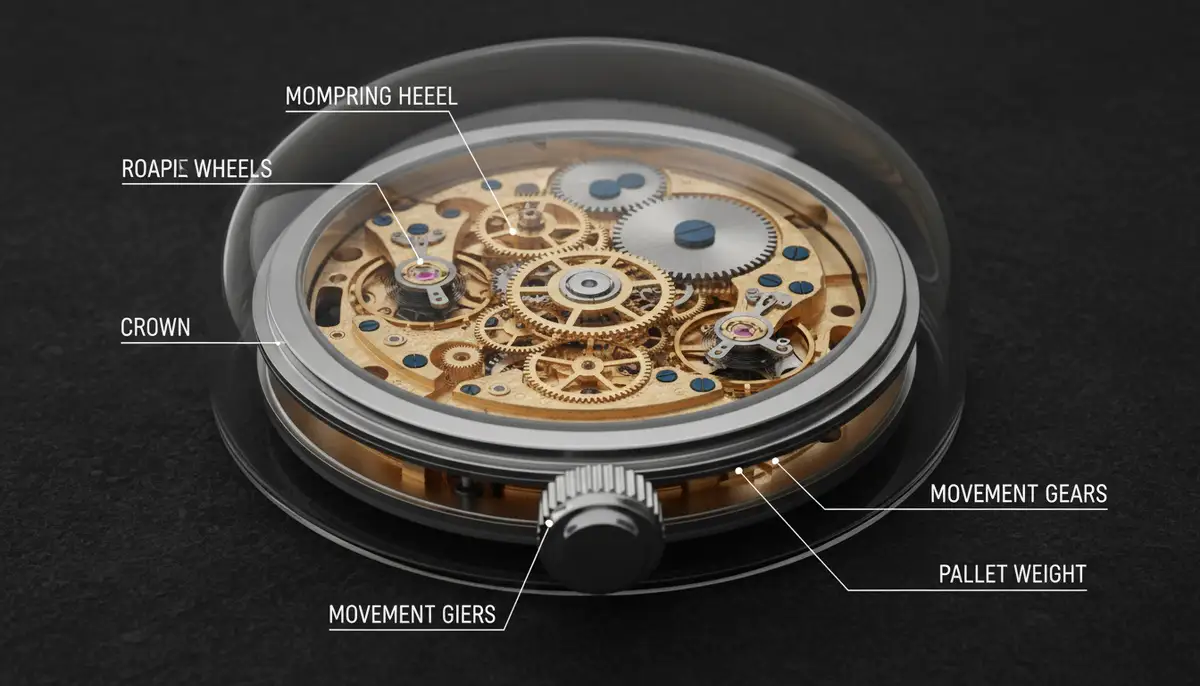
Before you learn how to set analog watch, you need to identify its main components. Familiarizing yourself with these parts will make the setting process much clearer. Every analog watch, regardless of its complexity, shares a few common elements.
- The Crown: This is the small knob on the side of the watch case. It's used to wind the watch and set the time and date.
- The Hands: These indicate the hour, minute, and sometimes seconds. Some watches also have additional hands for complications.
- The Dial: This is the face of the watch, where the numbers or markers display the time.
- The Movement: This is the engine of the watch, the internal mechanism that makes it run. It can be quartz, automatic, or manual wind.
Types of Analog Watch Movements and How They Affect Setting
The type of movement inside your watch significantly impacts how you set it. Each has its own nuances. Knowing your movement type is the first step in understanding how to set analog watch effectively.
- Quartz Watches: These watches are powered by a battery and an oscillating quartz crystal. They are highly accurate and require minimal maintenance. Setting them is usually straightforward.
- Automatic Watches: Also known as self-winding watches, these are powered by the motion of your wrist. They don't need batteries but do need to be wound if they haven't been worn for a while. Setting them involves a slightly different process.
- Manual-Wind Watches: These watches require you to manually wind them daily or every other day using the crown. They are the most traditional type of mechanical watch. Setting the time is similar to automatics, but remember to wind them regularly.
Step-by-Step Guide: How to Set Analog Watch for Basic Time
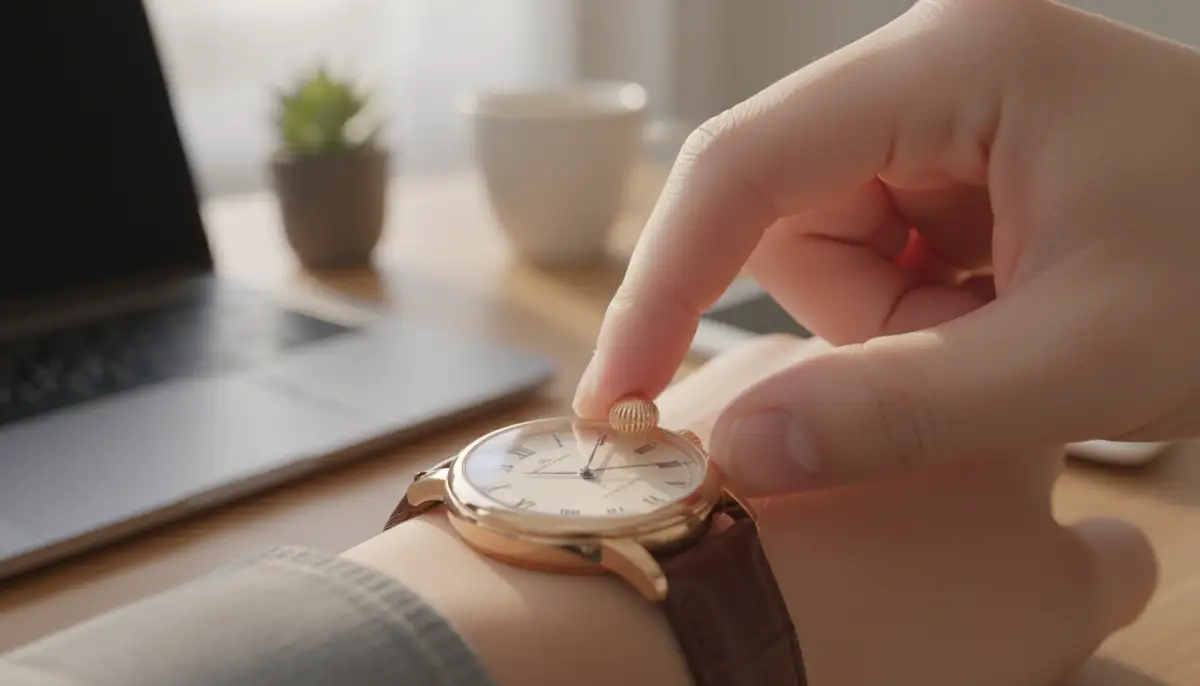
Let's start with the most common task: setting the time. This process is generally similar across most analog watches, but we will cover the specifics for different movements. Learning how to set analog watch for time is a foundational skill.
For Quartz Watches:
- Step 1: Remove the Watch: Take your watch off your wrist. This gives you a better angle and prevents accidental damage.
- Step 2: Locate the Crown: Find the small knob on the side of the watch case, usually at the 3 o'clock position.
- Step 3: Pull Out the Crown: Gently pull the crown out to its outermost position. For most quartz watches, this will be the second click. You should feel a distinct pop. The second hand will likely stop moving, which allows for precise setting.
- Step 4: Set the Time: Turn the crown clockwise or counter-clockwise to move the hour and minute hands. Adjust them to the correct time. For maximum accuracy, set the minute hand a minute or two ahead and then back it up to the exact time when a reference clock (like your phone) hits it.
- Step 5: Push the Crown Back In: Once the time is set, push the crown firmly back into its original, closed position. This restarts the movement and ensures water resistance.
For Automatic and Manual-Wind Watches:
The process for mechanical watches is very similar to quartz, but with a crucial difference. Mechanical watches do not always stop their second hand when the crown is pulled out. This is called 'hacking'. If your watch 'hacks', you can set it precisely. If it doesn't, you'll need to estimate the second hand's position. This guide on how to change time on a watch offers more insights into the general principles.
- Step 1: Remove the Watch: Always take it off your wrist.
- Step 2: Wind the Watch (Manual & Automatic if stopped): If your manual-wind watch is stopped, or your automatic watch has run out of power, gently turn the crown clockwise in its fully pushed-in position a few times (usually 20-40 turns for automatics, until resistance is felt for manuals). This builds up enough power to start the movement.
- Step 3: Pull Out the Crown: Pull the crown out to its outermost position (often the second click). If your watch has a hacking movement, the second hand will stop.
- Step 4: Set the Time: Turn the crown to adjust the hour and minute hands. If your watch hacks, synchronize the minute hand with a reliable time source. If it doesn't hack, align the minute hand to the correct minute as the second hand sweeps past the 12 o'clock marker.
- Step 5: Push the Crown Back In: Firmly push the crown back into its closed position. For some watches, especially dive watches, you might need to screw the crown back down to ensure water resistance.
Remember, the key is gentleness. Never force the crown. If it feels stuck, check your watch's manual. This will ensure you know how to set analog watch without causing any damage.
How to Set Analog Watch with a Date Function
Many analog watches come with a date display, and some even include a day of the week. Setting these complications requires a bit more care to avoid damaging the delicate date change mechanism. This is where many people make mistakes when learning how to set analog watch.
Understanding the 'Danger Zone'
This is crucial! Most mechanical watches have a 'danger zone' for setting the date. This period is typically between 9 PM and 3 AM (or 2 AM). During these hours, the watch's internal gears are actively engaged in changing the date. If you try to quick-set the date during this time, you can strip the gears or cause permanent damage. Always avoid quick-setting the date when the hour hand is between 9 PM and 3 AM.
Steps for Setting the Date:
- Step 1: Remove the Watch and Find the Crown.
- Step 2: Advance the Time Past the Danger Zone: Pull the crown out to the time-setting position (outermost click). Turn the hands clockwise past 3 AM to ensure you are outside the 'danger zone'. It's often safer to set the time to 6 AM.
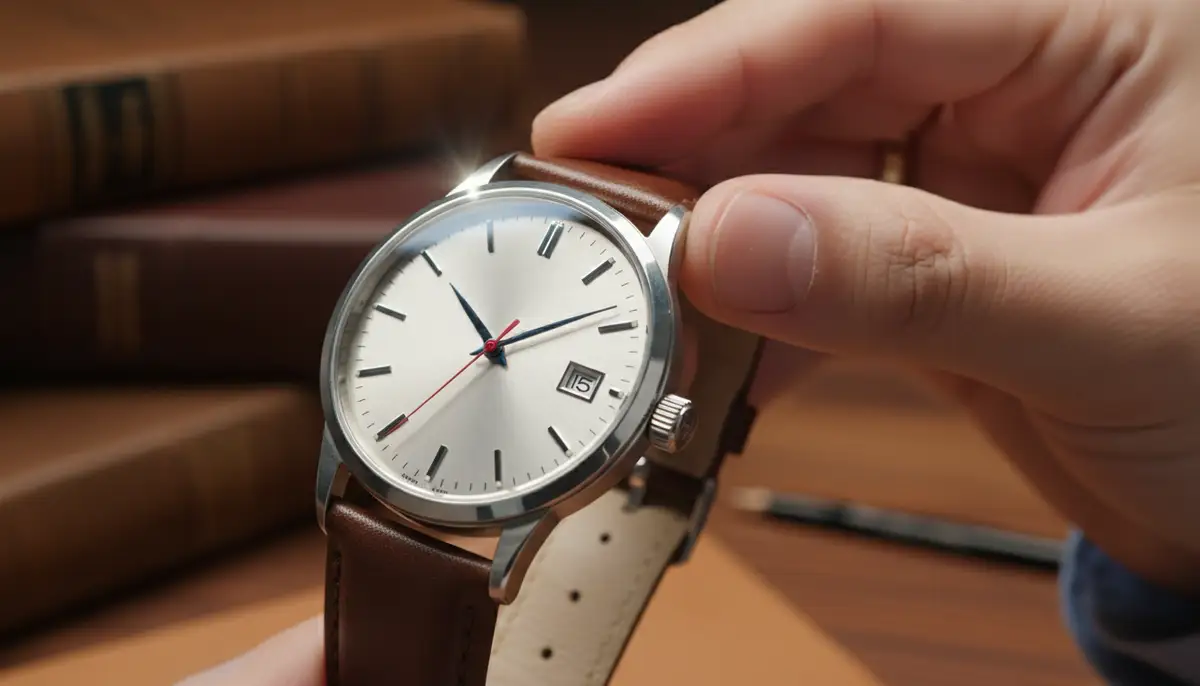
- Step 3: Set the Date to Yesterday: Push the crown in one click to the first position (the quick-set date position). Turn the crown (usually counter-clockwise, but sometimes clockwise) to advance the date to the day before the current date. For example, if today is the 15th, set it to the 14th. This detailed guide on how to accurately set the date on an analog watch further explains this method.
- Step 4: Advance the Time to Today's Date: Pull the crown out to the time-setting position again (outermost click). Turn the hands clockwise, watching for the date to 'click over' to the correct date. This ensures the watch understands whether it's AM or PM. Continue turning until you reach the current time. For example, if it's 2 PM on the 15th, turn past midnight (when the date changes to the 15th) and then continue to 2 PM.
- Step 5: Push the Crown Back In: Once both date and time are set, firmly push the crown back to its closed position.
How to Set Analog Watch with Day-Date Function
For watches with both day and date displays, the process is an extension of the date-setting method. You will typically have two quick-set positions in the crown, or one position that changes both by turning in different directions. This is a common feature you will encounter when figuring out how to set analog watch with more complications.
- Step 1: Remove Watch and Advance Past Danger Zone: As with date-only watches, set the time past 3 AM (e.g., to 6 AM) to avoid damaging the mechanism.
- Step 2: Quick-Set Day and Date to Yesterday: Pull the crown out to the first click. One direction of turning the crown will typically adjust the date, and the other direction will adjust the day. Set both to the day and date before the current one. For example, if today is Tuesday the 15th, set it to Monday the 14th.
- Step 3: Advance Time to Current Day and Time: Pull the crown out to the outermost position (time-setting). Turn the hands clockwise until the day and date advance to the correct current day and date (e.g., Tuesday the 15th). Continue turning until you reach the correct current time (AM/PM).
Setting Other Analog Watch Complications
Some analog watches feature additional complications like moon phases, chronographs, or GMT functions. These often have dedicated pushers or specific crown positions. The general rule is to consult your watch's manual for precise instructions. However, the core principles of avoiding the date's 'danger zone' and setting time are universal. Understanding how to set analog watch with these extra features might require a bit more research specific to your model.
Special Considerations for Specific Watch Brands
While the general principles of how to set analog watch apply broadly, some brands and models have unique characteristics. For example, if you own an Armitron watch, you might find specific instructions tailored to its common movements. You can find a comprehensive guide to setting Armitron watches that delves into the nuances of those models. Similarly, Tissot watches, known for their precision, often have specific guidelines for their movements. For expert insights on setting Tissot watches, dedicated resources can be invaluable. Always refer to your watch's specific manual first. If you don't have it, a quick online search for 'how to set analog watch [your watch model]' will usually yield results.
Troubleshooting Common Setting Issues
Sometimes, you might encounter issues when trying to set your analog watch. Don't worry, many problems have simple solutions. Knowing how to set analog watch also means knowing how to troubleshoot.
| Problem | Possible Cause | Solution |
|---|---|---|
| Crown doesn't pull out | Stuck due to dirt or corrosion, or a screw-down crown. | Gently try wiggling. If screw-down, unscrew first (turn counter-clockwise). If still stuck, professional cleaning might be needed. |
| Date doesn't change | Attempted to quick-set in the 'danger zone', or mechanism is damaged. | Avoid quick-setting between 9 PM and 3 AM. If damaged, seek professional repair. Ensure you are turning the crown in the correct direction for date. |
| Watch stops after setting | Automatic watch not sufficiently wound, or quartz battery is dead. | For automatics, manually wind it (20-40 turns). For quartz, consider a battery replacement. You can find more details on how to set an analog clock which often starts with checking the battery. |
| Hands feel loose or jumpy | Damage to the movement or hands. | This indicates a more serious internal issue. Seek professional watch repair immediately. |
Best Practices for Maintaining Your Analog Watch
Proper care extends beyond knowing how to set analog watch. Regular maintenance ensures your timepiece remains accurate and beautiful. These habits will protect your investment.
- Always Remove Your Watch: Before setting, always take your watch off your wrist. This prevents putting undue pressure on the crown stem.
- Avoid the Danger Zone: Reiterate the 9 PM to 3 AM rule for quick-setting the date. It's the most common mistake people make.
- Be Gentle: Watch movements are delicate. Use light, firm pressure when pulling or pushing the crown. Never force it.
- Keep the Crown Closed: After setting, always push or screw the crown back in fully. This maintains water resistance and prevents dust and moisture from entering the movement.
- Regular Servicing: Mechanical watches benefit from professional servicing every 3-5 years. This involves cleaning, lubricating, and adjusting the movement.
- Store Properly: When not wearing your watch, store it in a cool, dry place, away from strong magnetic fields.
The Future of Timekeeping: Analog Charm Meets Digital Innovation
Even as we cherish the tactile experience of knowing how to set analog watch, the world of timekeeping continues to evolve. Smartwatches and digital displays offer incredible functionality, often allowing for instant time zone changes and automatic synchronization. This blend of tradition and technology creates exciting possibilities for watch enthusiasts.
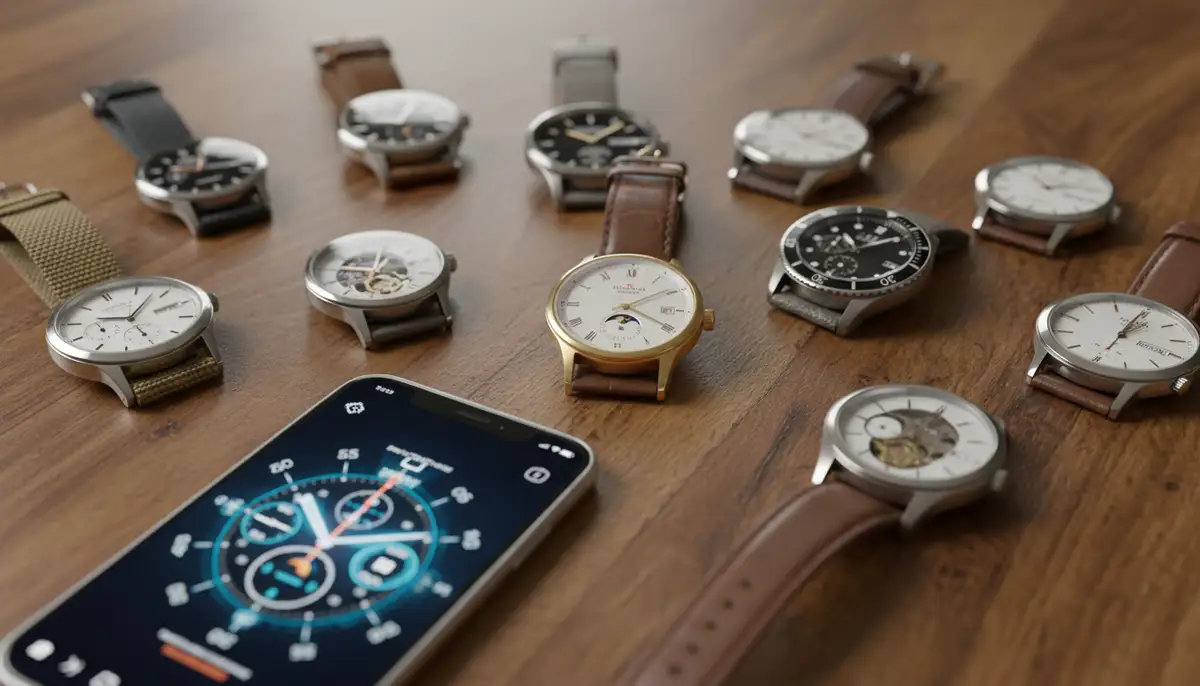
For those who appreciate the aesthetics of an analog display but desire modern convenience, digital watch faces provide a perfect solution. Platforms like WatchMaker offer thousands of customizable watch faces for Apple Watch and Wear OS devices. You can enjoy the classic look of an analog dial with the smart features of your modern device. Many users also explore options from companies like watchfacely.com, amoledwatchfaces.com, and Pujie Black for unique digital watch face designs. These alternatives bridge the gap between traditional appeal and contemporary features.
Whether you prefer the intricate mechanics of a traditional timepiece or the versatility of a smartwatch, understanding the fundamentals of timekeeping remains essential. And if you're looking to personalize your digital experience, you can always download watch faces to match your style.
Conclusion: Master the Art of How to Set Analog Watch
Mastering how to set analog watch is a valuable skill that connects you to the rich history of horology. It ensures your timepiece functions correctly and reflects your attention to detail. By following these steps, you can confidently adjust your watch's time, date, and other complications, keeping it in perfect sync with your life. Remember to be patient, gentle, and always refer to your watch's specific manual if you encounter any unique features. Enjoy the timeless elegance and precision of your perfectly set analog watch.
Related Posts

The Watch Face Mistake Almost Every New Garmin Owner Makes
There's a predictable arc to owning a new Garmin. Day one, you install a watch face that shows everything: heart rate, steps, battery, weather, two time zones,...

The Ultimate Apple Watch Strap Guide: Find Your Perfect Fit & Style in 2025
Introduction: Your Essential Apple Watch Strap Guide for 2025 Your Apple Watch is more than just a gadget. It's a personal statement, a fitness tracker, and a...