
 Pokemon Card Scanner
 Live Wallpapers Unlimited





Mastering Time: A Comprehensive Guide on How to Regulate a Watch in 2025
Introduction: Why Learning How to Regulate a Watch is Essential in 2025
In the world of horology, precision is paramount. A mechanical watch is a marvel of engineering. However, even the finest timepieces can drift from perfect accuracy over time. This guide will teach you exactly how to regulate a watch, ensuring it keeps time as accurately as possible. Understanding how to regulate a watch is a crucial skill for any watch enthusiast. It allows you to fine-tune your timepiece for optimal performance. This process involves making tiny adjustments to the watch's movement. These adjustments affect how quickly or slowly the watch runs. By the end of this article, you will have a solid understanding of the steps involved in regulating your watch.
Many factors can influence a watch's accuracy. These include temperature changes, magnetic fields, and even how you wear the watch. Regular maintenance, including regulation, helps counteract these effects. This ensures your watch remains a reliable timekeeping companion. Let's dive into the fascinating process of how to regulate a watch.
Understanding Watch Accuracy: What Does 'Regulation' Mean?
Before we delve into how to regulate a watch, let's clarify what accuracy means for a mechanical timepiece. Mechanical watches do not keep perfect time. They are designed to run within a certain tolerance. High-end watches might aim for +/- 1 to 5 seconds per day. More common mechanical watches often target +/- 10 to 30 seconds per day. Regulation is the process of adjusting the watch's rate. This brings its daily deviation closer to zero. It's about minimizing how much time it gains or loses each day.
Regulation does not fix underlying mechanical issues. If your watch is wildly inaccurate, it might need servicing. A dirty movement or worn parts require professional attention. Regulation is a fine-tuning process. It optimizes an already healthy movement. Knowing this distinction is key to successfully learning how to regulate a watch.
Tools You'll Need to Regulate a Watch
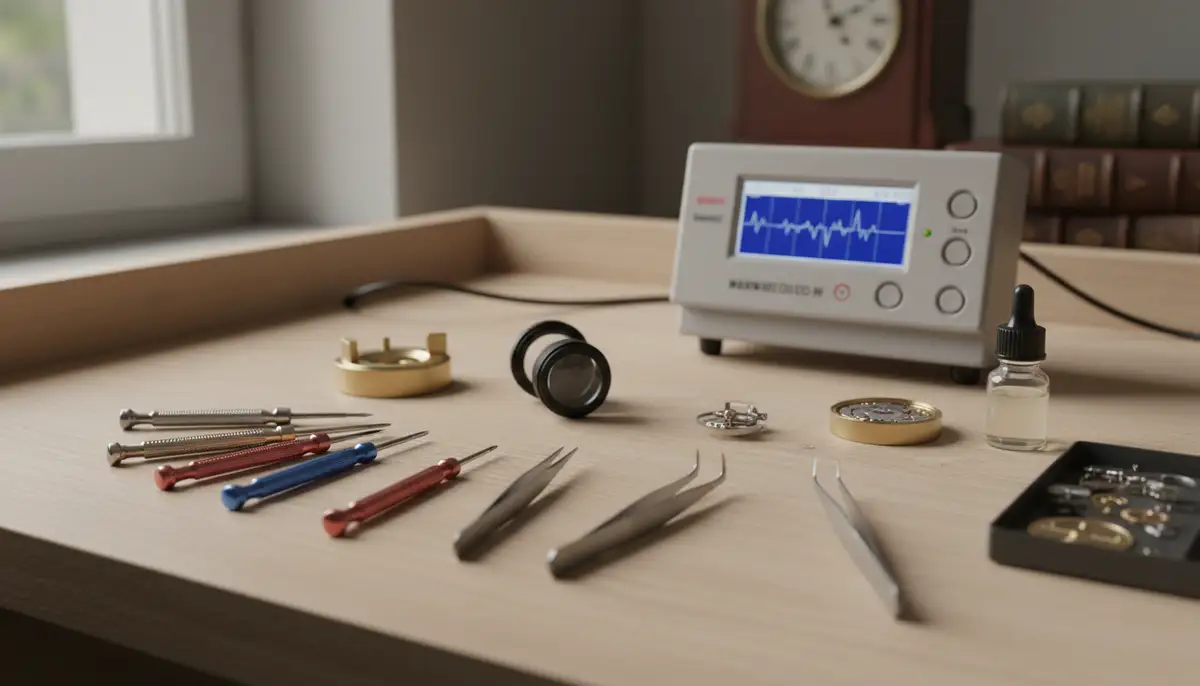
To embark on the journey of how to regulate a watch, you'll need a few specialized tools. These tools allow for precision and prevent damage to delicate components.
- Timegrapher: This is the most crucial tool. It measures your watch's rate, beat error, and amplitude in various positions. It provides real-time feedback on your adjustments. You can find excellent guides, like this one on how to regulate a watch using a timegrapher, for more details.
- Watch Case Opener: You'll need this to safely remove the case back. Different watches use different types (e.g., screw-back, snap-back, bayonet).
- Movement Holder: This secures the watch movement once it's out of the case. It prevents accidental damage during adjustments.
- Fine-tipped Screwdrivers/Tweezers: Essential for manipulating the tiny regulator arm. Precision is key here.
- Loupe (Watchmaker's Magnifier): A loupe with 5x to 10x magnification helps you see the minute details of the movement.
- Dust Blower: To remove any dust particles that might enter the movement during the process.
- Rodico (Watchmaker's Putty): Great for picking up tiny dust specks or fingerprints without leaving residue.
- Clean, Dust-Free Workspace: A dedicated area minimizes contamination risks. This is vital when learning how to regulate a watch.
Step-by-Step Guide: How to Regulate a Watch
Now, let's get into the practical steps of how to regulate a watch. Remember, patience and a steady hand are essential. Take your time with each step.
Step 1: Prepare Your Workspace and Tools
Set up your clean, well-lit workspace. Ensure all your tools are within easy reach. Clean your hands thoroughly. This prevents transferring oils or dirt to the watch components. A clean environment is crucial when you learn how to regulate a watch. Any dust or debris can severely impact accuracy.
Step 2: Open the Watch Case Back
Carefully use your watch case opener to remove the case back. Different types of case backs require different techniques. For screw-back cases, use a two- or three-pronged opener. For snap-back cases, use a case knife to gently pry it open. Always apply even pressure. Avoid scratching the case or slipping. Once open, place the case back and gasket aside in a safe, clean spot.
Step 3: Identify the Regulator Arm
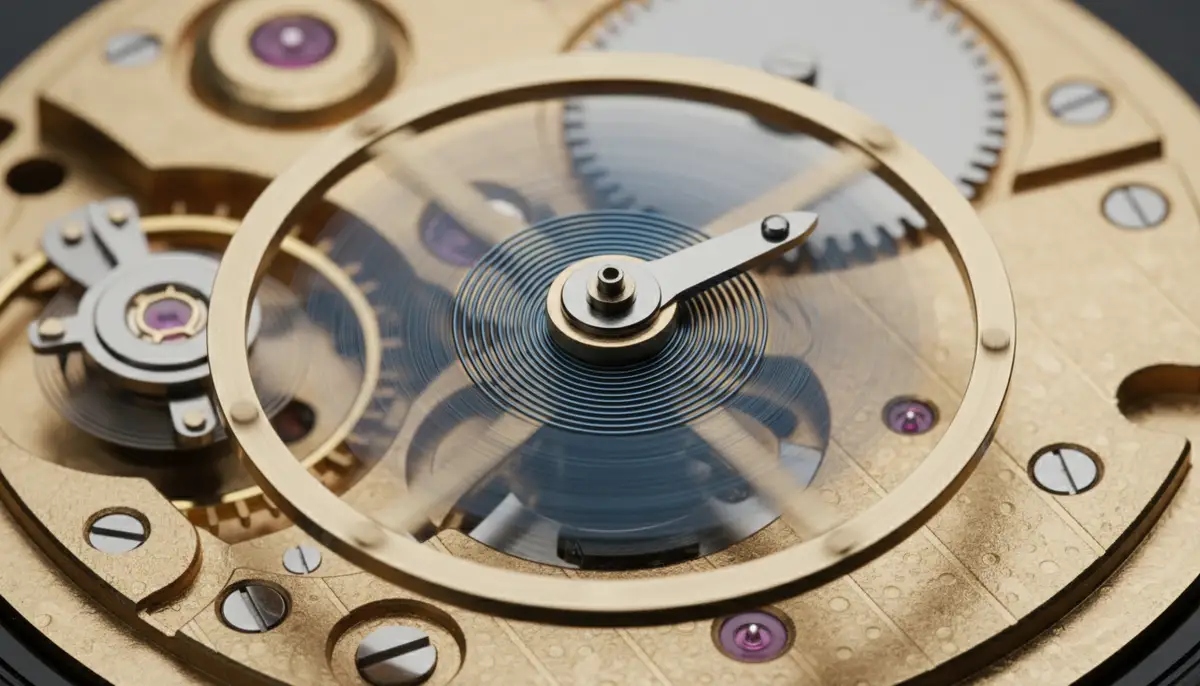
With the case back removed, you'll see the watch movement. Use your loupe to locate the balance wheel. This is the oscillating wheel that swings back and forth. Near the balance wheel, you'll find the regulator arm. This is a small lever with two pins. These pins embrace the hairspring. Moving this arm changes the effective length of the hairspring. This, in turn, changes the watch's rate. A longer hairspring makes the watch run slower. A shorter one makes it run faster. This is the core mechanism for how to regulate a watch.
Step 4: Place the Watch on the Timegrapher
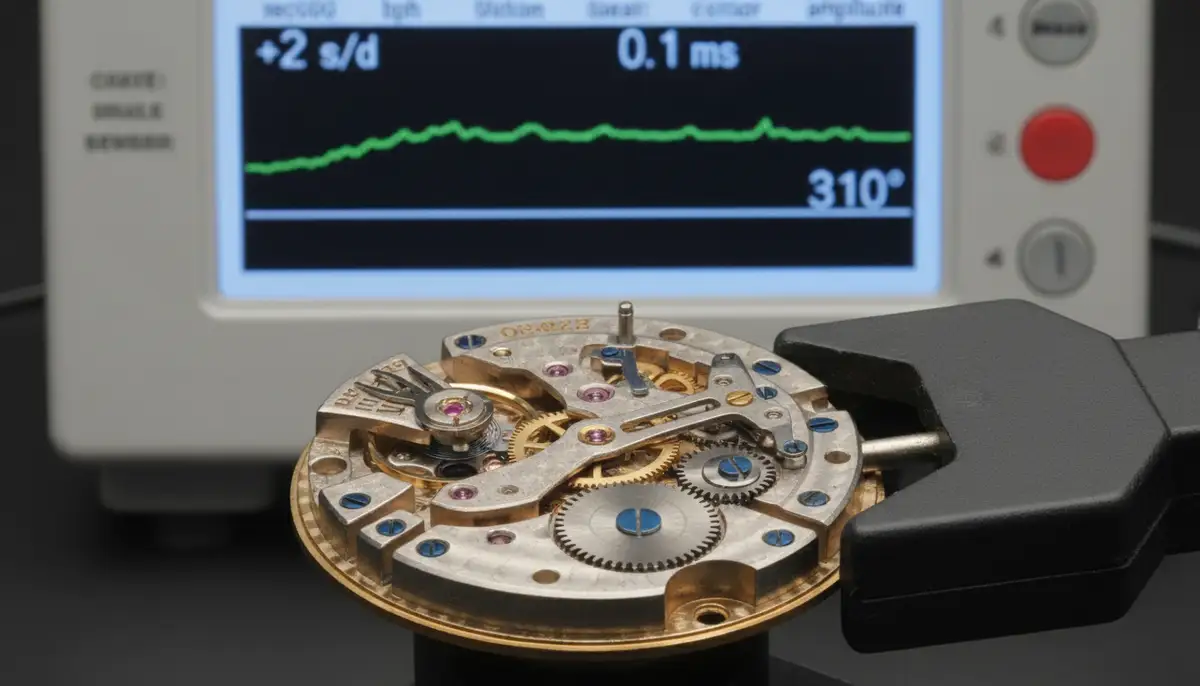
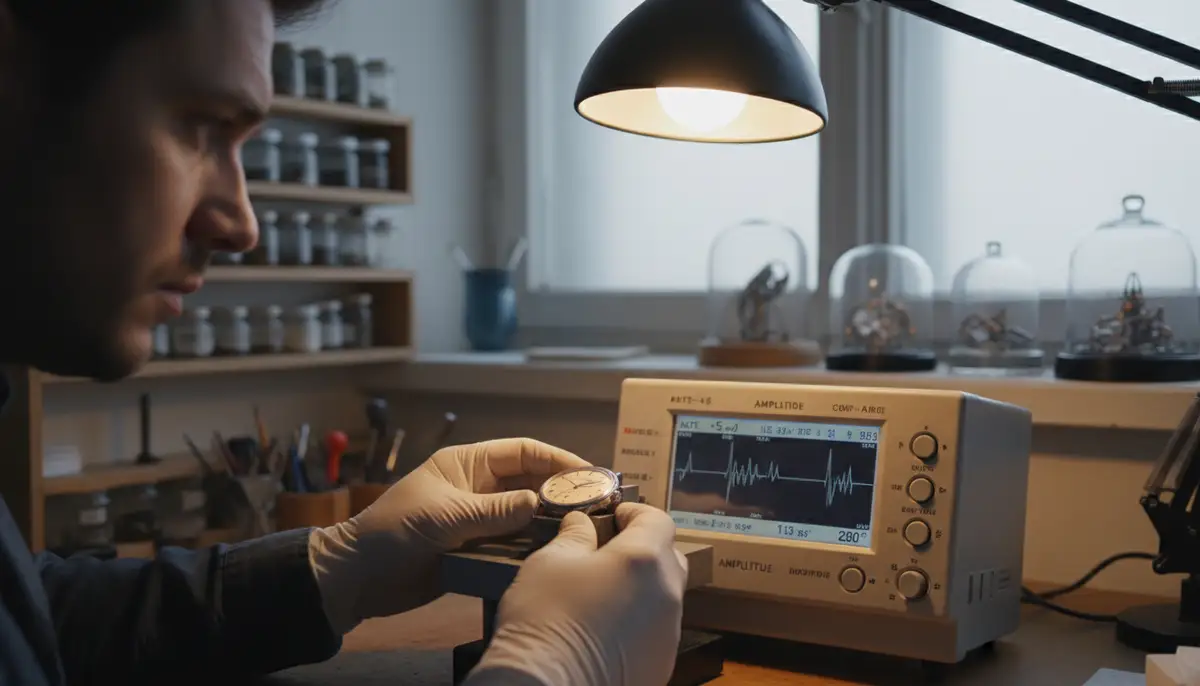
Gently place your watch on the timegrapher's microphone clamp. Make sure it's secure. The timegrapher will immediately start analyzing the watch's ticks. It will display key metrics. These include the rate (seconds per day), beat error (milliseconds), and amplitude (degrees). The rate is your primary focus for regulation. A positive rate means the watch is running fast. A negative rate means it's running slow. You can see a visual explanation of this tool by watching
.Step 5: Make Micro-Adjustments to the Regulator Arm
This is the most delicate part of how to regulate a watch. Use a very fine-tipped screwdriver or tweezers. Gently nudge the regulator arm. Move it towards the 'F' (Fast) or '+' sign to speed up the watch. Move it towards the 'S' (Slow) or '-' sign to slow it down. Make incredibly tiny adjustments. Even a microscopic movement can significantly change the rate. After each adjustment, let the watch run on the timegrapher for 30-60 seconds. Observe the new rate. Repeat this process until the rate is as close to 0 seconds per day as possible.
Remember, the regulator pins should not be touching the hairspring at any point. They should maintain proper spacing. The hairspring should be centered between the pins. For more detailed insights on this, you can refer to discussions on adjusting the regulator dos and don't. Improper spacing can cause inconsistencies and further issues. This is a critical aspect of learning how to regulate a watch correctly.
Step 6: Check Accuracy in Multiple Positions
A watch's rate can vary depending on its position. This is called positional variance. After achieving a good rate in one position (e.g., dial up), check it in others. Common positions include: dial up (DU), dial down (DD), crown up (CU), crown down (CD), crown left (CL), and crown right (CR). Rotate the watch on the timegrapher. Note the rate in each position. Ideally, the rates should be consistent across all positions. If there's a significant difference, you might need further adjustments or professional servicing. Some enthusiasts even suggest regulating in a 45-degree dial up position, as discussed on best position to regulate a watch, to simulate real-world wear.
Step 7: Reassemble the Watch
Once you're satisfied with the regulation, carefully reassemble your watch. Ensure no dust or debris has entered the movement. Use your dust blower if necessary. Replace the case back gasket. This ensures water resistance. Then, screw or snap the case back firmly into place. Double-check that it's secure. You have now completed the process of how to regulate a watch.
Understanding Beat Error and Amplitude
While regulating the rate is your primary goal, it's helpful to understand beat error and amplitude. These metrics also appear on your timegrapher. They provide a fuller picture of your watch's health. Knowing them helps you better understand how to regulate a watch effectively.
Beat Error
Beat error measures how symmetrically the balance wheel swings. Ideally, it should be 0.0 ms. A low beat error (under 0.5 ms) is excellent. Anything above 1.0 ms might indicate an issue. A high beat error often means the hairspring stud carrier is not centered. Adjusting beat error is more complex than regulating the rate. It often requires moving the hairspring stud carrier. This is a delicate operation. It's often best left to experienced watchmakers. However, understanding its role is part of understanding how to regulate a watch fully.
Amplitude
Amplitude is the degree of rotation of the balance wheel. A healthy amplitude for a fully wound watch is typically between 270° and 310°. Low amplitude (below 200°) suggests a problem. This could be a lack of lubrication, dirt in the movement, or a weak mainspring. Regulation alone won't fix low amplitude. It's a sign that your watch might need servicing. A watch with good amplitude will hold its rate better across different positions. This is why it's important to monitor it when you learn how to regulate a watch.
| Metric | Ideal Range | What it Indicates |
|---|---|---|
| Rate | +/- 0-10 s/day | How fast or slow the watch runs |
| Beat Error | 0.0-0.5 ms | Symmetry of balance wheel swing |
| Amplitude | 270-310 degrees | Health and power reserve of the movement |
Common Challenges and Troubleshooting When You Regulate a Watch
Even with a clear guide on how to regulate a watch, you might encounter challenges. Here are some common issues and how to address them.
The Rate Won't Stabilize
If the rate jumps around wildly, it could indicate a deeper problem. This might be a damaged hairspring or a dirty escapement. Regulation won't fix these issues. Consider taking your watch to a professional watchmaker. Sometimes, simply winding the watch fully can help stabilize the rate. Ensure it has enough power reserve.
Magnetic Fields
Modern life is full of magnetic fields. Smartphones, laptops, and speakers can magnetize a watch. A magnetized watch will run very fast. If your watch suddenly gains minutes per day, demagnetization is likely needed. You can buy a simple demagnetizer tool. Or, visit a watchmaker for this quick service. This is an important step to consider before trying to regulate a watch.
Positional Variance Remains High
If your watch keeps good time in one position but is off in others, it's a sign of positional errors. This often points to issues with the balance staff, pivots, or roller jewel. These are internal movement problems. They require professional servicing. While you can try to find a compromise during regulation, true repair is needed. This is beyond the scope of simply learning how to regulate a watch.
Over-Adjusting
It's easy to over-adjust the regulator arm. Remember, tiny nudges are key. If you move it too much, you might dislodge the hairspring. This can cause significant damage. If you feel unsure, stop and seek professional help. It's better to be safe than sorry with delicate watch movements. Patience is truly a virtue when you regulate a watch.
Beyond Regulation: Maintaining Your Watch's Accuracy
Learning how to regulate a watch is a fantastic step. However, ongoing maintenance is crucial for long-term accuracy. Here are some tips to keep your timepiece running smoothly.
Regular Servicing
Mechanical watches need professional servicing every 3-5 years. This involves cleaning, lubricating, and replacing worn parts. Think of it like a car's oil change. Regular servicing prevents major issues. It ensures the movement remains healthy. This also makes future regulation much easier. It's a key part of owning a mechanical watch.
Avoid Shocks and Impacts
Mechanical movements are delicate. Strong shocks can damage pivots, bend axles, or even dislodge components. Wear your watch carefully. Avoid activities that expose it to harsh impacts. Even small drops can throw off regulation or cause more serious damage.
Protect from Magnetism
Keep your watch away from strong magnetic fields. As mentioned, these can significantly affect accuracy. If you work in an environment with strong magnets, consider a watch with anti-magnetic properties. Some watches feature silicon hairsprings. These are naturally resistant to magnetism. Knowing this helps you prevent the need to frequently regulate a watch.
Proper Winding
For manual wind watches, wind them fully each day. For automatics, ensure you wear them regularly. Or, use a watch winder. A watch running on low power reserve can be less accurate. Consistent power delivery helps maintain a stable rate. This is especially true for watches you've just learned how to regulate.
If you're also interested in other aspects of watch care, you might find our guide on mastering your chronograph helpful. It covers how to set different types of watches and their functions. Understanding the nuances of your timepiece enhances your overall enjoyment.
The Digital Age and Mechanical Watches
In 2025, digital timekeeping is everywhere. Smartwatches offer instant accuracy and connectivity. Yet, the appeal of a mechanical watch endures. It’s about craftsmanship, history, and a connection to traditional engineering. Learning how to regulate a watch deepens this appreciation. It allows you to become a more engaged owner. While smartwatches like Apple Watch and Wear OS devices provide ultimate convenience, the satisfaction of a precisely regulated mechanical watch is unique. For those who love customizing their smart devices, WatchMaker offers a vast repository of thousands of unique download watch faces for both Apple Watch and Wear OS. This allows you to personalize your digital timepiece just as you appreciate the intricate mechanics of a traditional one. You can explore options from companies like watchfacely.com, Pujie Black, and amoledwatchfaces.com for digital customization, showing the breadth of the watch enthusiast market.
The debate between analog vs mechanical watch continues. However, for those who choose mechanical, knowing how to regulate a watch is a rewarding skill. It bridges the gap between simply owning a watch and truly understanding it. This hands-on approach offers a unique satisfaction. It's about maintaining a piece of living history on your wrist.
Conclusion: The Rewarding Journey of How to Regulate a Watch
Learning how to regulate a watch is a journey into the heart of horology. It requires patience, precision, and the right tools. By following these steps, you can significantly improve your watch's accuracy. You'll gain a deeper appreciation for the intricate mechanics involved. Remember to start with small adjustments. Always prioritize the health of your movement. If you encounter complex issues, don't hesitate to consult a professional watchmaker.
The satisfaction of seeing your watch run perfectly is immense. You've taken an active role in its performance. This skill empowers you to keep your cherished timepieces in top condition. So, gather your tools, set up your workspace, and confidently embark on the rewarding task of how to regulate a watch. Your wrist will thank you for the precise timekeeping.
Related Posts

The Watch Face Mistake Almost Every New Garmin Owner Makes
There's a predictable arc to owning a new Garmin. Day one, you install a watch face that shows everything: heart rate, steps, battery, weather, two time zones,...

The Ultimate Apple Watch Strap Guide: Find Your Perfect Fit & Style in 2025
Introduction: Your Essential Apple Watch Strap Guide for 2025 Your Apple Watch is more than just a gadget. It's a personal statement, a fitness tracker, and a...