
 Pokemon Card Scanner
 Live Wallpapers Unlimited




Mastering the Art: How to Identify Seiko Watch Models and Authenticity
Introduction: The Quest to Identify Your Seiko Watch
Seiko watches hold a special place in the world of horology. They are known for their innovation, reliability, and incredible value. Whether you own a modern Prospex or a vintage gem, knowing how to identify Seiko watch models accurately is a valuable skill. This guide will walk you through every step. You will learn to discern genuine features from potential fakes. We will cover everything from case backs to movements.
Understanding your Seiko helps you appreciate its heritage. It also protects your investment. In today's market, replicas are increasingly sophisticated. Therefore, it's more important than ever to know how to identify Seiko watch authenticity. Let's dive into the details. You will become an expert in no time.
Why Learning How to Identify Seiko Watch Authenticity Matters
The watch market is vast and complex. Many enthusiasts and collectors seek specific Seiko models. However, the rise of counterfeit watches poses a significant challenge. Fakes can look very convincing at first glance. They often mimic popular designs. This makes it difficult for an untrained eye to spot the difference. Knowing how to identify Seiko watch genuineness protects you from scams. It ensures you get what you pay for. It also helps preserve the integrity of the brand.
Beyond avoiding fakes, accurate identification helps you understand your watch's history. You can learn its production date, movement type, and original market. This knowledge enhances your appreciation for the craftsmanship. It also adds to the story behind your timepiece. So, let's explore how to identify Seiko watch features.
The Case Back: Your First Clue to How to Identify Seiko Watch Details
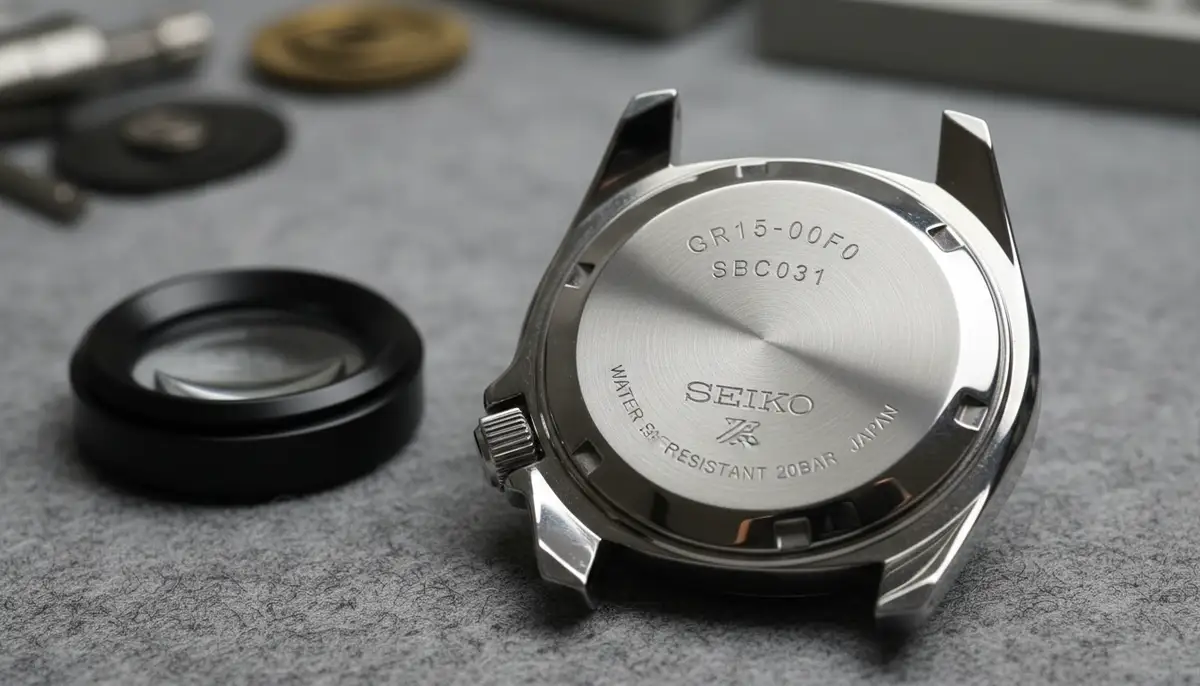
The case back of a Seiko watch is a treasure trove of information. It holds crucial details for identification. You will find several engravings here. These include the serial number, movement caliber, and case code. Understanding these codes is key to knowing how to identify Seiko watch specifics.
Decoding the Serial Number
Every genuine Seiko watch has a unique 6-digit serial number. This number tells you the watch's production date. The first digit represents the year. The second digit indicates the month. For example, '5' could mean 2005, 2015, or 1995. The second digit, '1' through '9', or 'O', 'N', 'D' for October, November, December, specifies the month. The remaining four digits are the watch's unique production number for that month. So, '5N1234' means November of a year ending in '5'.
To determine the exact year, you need to know the approximate era of the watch. For instance, if it's a vintage diver, '5' likely refers to 1965 or 1975. If it's a modern watch, it's more likely 2005 or 2015. This method is fundamental to how to identify Seiko watch age. For more insights on detecting fake Seiko watches, particularly regarding serial numbers, you can check out this guide on how to detect fake Seiko watches.
Understanding the Movement Caliber and Case Code
Below the serial number, you'll find another set of numbers. This is typically in the format 'XXXX-YYYY'. The 'XXXX' part is the movement caliber. This tells you which specific movement powers your watch. The 'YYYY' part is the case code. This indicates the specific case design. For example, '7S26-0020' means it uses a 7S26 movement and has a 0020 case. This combination is unique to certain models. It is a critical piece of information when you learn how to identify Seiko watch variations.
You can use these codes to cross-reference with online databases. Many enthusiast websites and forums compile lists of Seiko models. They match specific caliber and case codes. This helps you confirm the model and its authenticity. It is a powerful step in how to identify Seiko watch details.
The Dial: A Window into Your Seiko's Identity
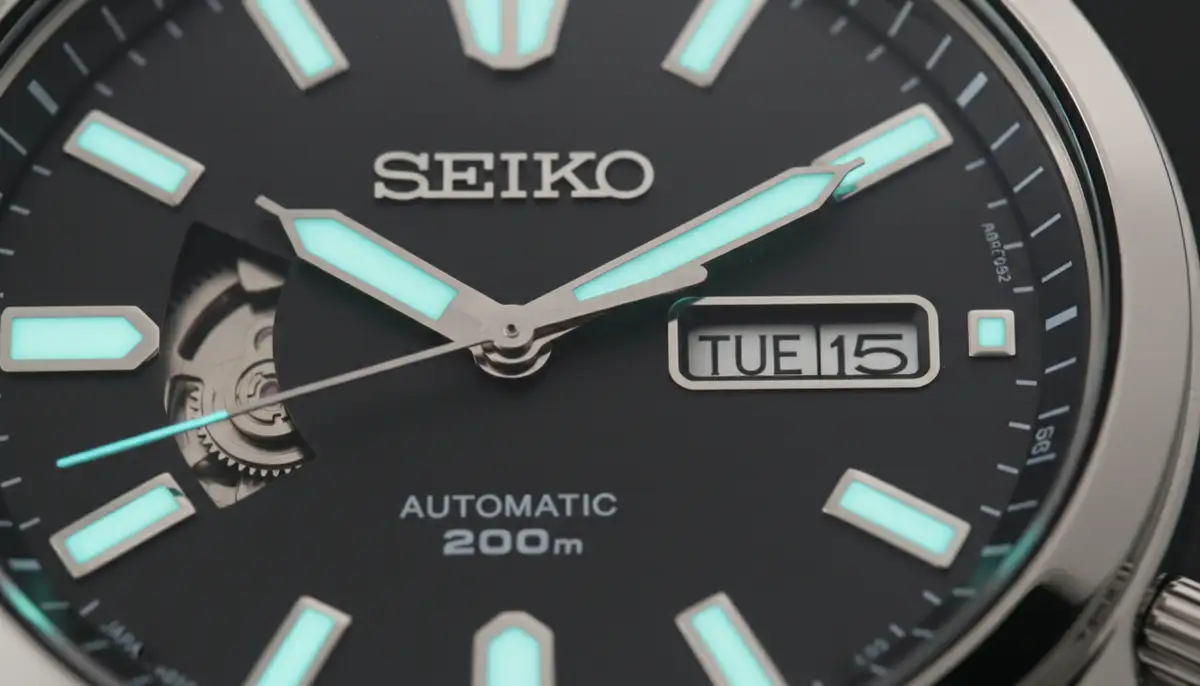
The dial of a Seiko watch is where much of its character lies. It also offers many clues for identification. Pay close attention to the logo, text, indices, and hands. Small imperfections can reveal a fake. A genuine Seiko dial shows remarkable precision. This is true even under magnification.
Examining the Seiko Logo and Text
The 'Seiko' logo is often applied, not just printed. It should be crisp, well-aligned, and evenly spaced. Look for any smudging, unevenness, or misspellings in the text. This includes the model name, movement type, and water resistance rating. On many genuine Seiko dials, you'll also find the movement caliber and case code printed in tiny text at the very bottom. This should match the engravings on the case back. This consistency is vital when learning how to identify Seiko watch authenticity.
Indices, Hands, and Lume
The hour markers (indices) should be perfectly aligned with the minute track. They should also be applied cleanly. The hands should be well-finished. They should have no rough edges or imperfections. Seiko is famous for its Lumibrite lume. This material glows brightly and lasts a long time. Test the lume by exposing the watch to light. Then take it into a dark room. A weak or uneven glow can be a red flag. These details are crucial for how to identify Seiko watch quality.
The Movement: The Heart of Your Seiko Watch
For mechanical watches, the movement is the engine. It's often the most complex part to fake convincingly. While many Seiko watches have solid case backs, some display their movements. Even without an open case back, you can infer much about the movement. This knowledge is essential for how to identify Seiko watch models.
Understanding Seiko Calibers
Seiko produces a wide range of movements. These include automatic, quartz, and Kinetic. Each caliber has specific characteristics. For instance, the popular 7S26, 4R36, and 6R15 are common automatic movements. They have distinct beat rates and features. The 4R36 movement, for example, allows for both hand-winding and hacking. Hacking means the second hand stops when you pull out the crown. The 7S26 does not have these features. Knowing these differences helps you verify the movement type against the watch's expected specifications. This is a critical step in how to identify Seiko watch models.
If you are looking for advanced customizations, you might also be interested in digital watch faces. Companies like WatchMaker offer thousands of options for Apple Watch and Wear OS devices. This allows you to personalize your smartwatch experience. While different from mechanical movements, the desire for precision and unique aesthetics remains. You can even download watch faces to explore various styles.
Rotor and Finishing
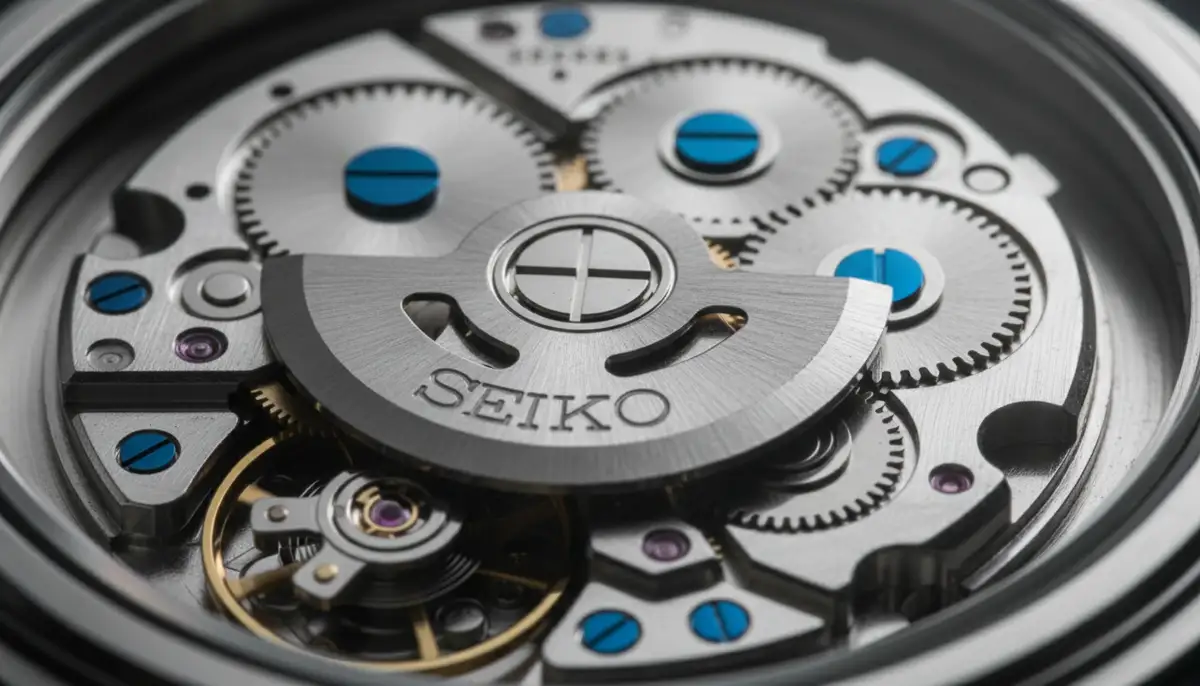
If your watch has a display case back, examine the rotor. This is the oscillating weight that winds the mainspring. It should be engraved with the Seiko logo and caliber number. The finishing on genuine Seiko movements, even entry-level ones, is usually clean. It shows a certain level of industrial precision. Fakes often have poorly finished movements. They might have rough edges or incorrect engravings. This is a clear indicator when you are trying to identify a Seiko watch.
The Crown, Bezel, and Bracelet: Peripheral Clues
Don't overlook the smaller details. The crown, bezel, and bracelet also offer valuable clues. These components should feel solid and operate smoothly. They contribute significantly to the overall quality feel of the watch. Knowing what to look for here is part of how to identify Seiko watch authenticity.
The Crown
Many Seiko models feature a signed crown. This means it has the 'S' logo or another specific emblem. The logo should be sharp and perfectly centered. The crown should screw down smoothly on diver's watches. It should operate with satisfying clicks when setting the time or date. A wobbly or poorly finished crown is a major red flag when you want to identify a Seiko watch.
The Bezel
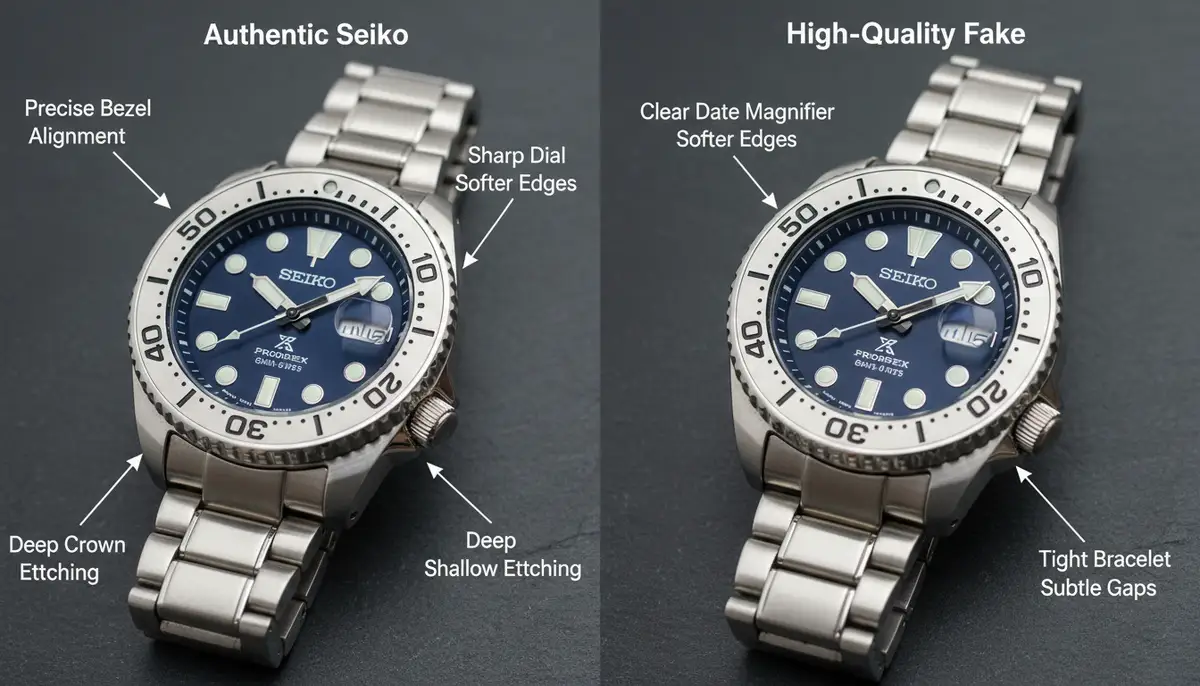
For watches with a rotating bezel, check its action. It should click crisply and precisely. There should be no excessive play or looseness. The alignment of the bezel markers with the dial indices is also important. Misalignment is a common complaint even on genuine watches sometimes. However, extreme misalignment can indicate a fake. This is especially true if other signs also point to a counterfeit. Pay attention to these details as you learn how to identify Seiko watch features.
The Bracelet or Strap
Seiko bracelets are known for their solid construction. They often feature solid end links that fit snugly against the case. The clasp should operate securely and smoothly. Look for crisp engravings on the clasp. Fake bracelets often feel flimsy. They may have hollow end links or poorly finished clasps. The spring bars should also be robust. Authentic Seiko watches have unnoticeable lugs that smoothly attach the band. Fake watches often have drilled lugs on the sides that stand out. For more details on checking lugs and other physical attributes, refer to this guide on identifying genuine Seiko watches.
Box and Papers: The Supporting Evidence
While not foolproof, original packaging and documentation add credibility. A genuine Seiko box is typically well-made. It features quality materials and branding. The warranty card or instruction manual should also be present. These documents often have serial numbers that match the watch. However, remember that boxes and papers can be faked too. So, always prioritize the watch itself. Use the physical attributes as your primary guide for how to identify Seiko watch authenticity.
Spotting the Fakes: Red Flags and Common Tells
Now that you know what to look for in a genuine Seiko, let's discuss fakes. Counterfeiters often get small details wrong. These mistakes are your best defense. Knowing how to identify Seiko watch fakes requires a keen eye. It also requires attention to consistency. Here are some common red flags:
- Poor quality finishing: Rough edges, uneven polishing, misaligned parts.
- Incorrect or misspelled text: Check the dial, case back, and even the box for errors.
- Weak or non-existent lume: Genuine Seiko Lumibrite is very effective.
- Incorrect movement: A watch advertised with an automatic movement might have a cheap quartz one.
- Wobbly crown or bezel: These components should feel solid and precise.
- Price too good to be true: If the deal seems incredibly cheap, it probably is.
- Lack of documentation: While not definitive, missing papers can be suspicious.
It's important to educate yourself. Watch this helpful video for visual examples of fake Seikos and what to look for:
. This video offers practical tips to help you identify a Seiko watch that might not be genuine.Advanced Techniques for How to Identify Seiko Watch Models
Beyond the basic checks, there are more advanced methods. These can help you with how to identify Seiko watch models. They are especially useful for rare or vintage pieces. These techniques often involve deeper research and specialized tools.
Utilizing Online Databases and Forums
The internet is a powerful resource for Seiko collectors. Websites like Seiko's official watch finder can help you explore current models and their specifications. You can use the Seiko Watch Finder to compare features. Enthusiast forums and dedicated Seiko collector sites are invaluable. They host vast archives of information. You can often find detailed guides, original catalogs, and discussions about specific models. Posting clear photos of your watch can also get expert opinions. This community knowledge is a great asset for how to identify Seiko watch variations.
Understanding Model Naming Conventions
Seiko uses various naming conventions. These include reference numbers (e.g., SKX007, SARB033) and series names (Prospex, Presage, 5 Sports). Understanding these helps you categorize your watch. It guides your research. For example, 'SKX' often refers to a specific line of diver's watches. 'SARB' typically denotes dress watches. Learning these patterns is key to how to identify Seiko watch families.
The Importance of Originality in Vintage Seikos
For vintage Seikos, originality is paramount. Many older watches have had parts replaced over time. This is often done during servicing. While a serviced watch is good, non-original parts can affect value. Look for original dials, hands, and bezels. These are often called 'matching' components. Collectors highly prize watches with all original parts. This makes identifying original components a crucial part of how to identify Seiko watch value.
Tools for Identification
A few simple tools can greatly assist you. A good magnifying loupe (10x magnification is ideal) helps you see fine details on the dial and case back. A case back opener allows you to inspect the movement. However, only open the watch if you are comfortable doing so. Improper opening can damage the watch or compromise its water resistance. These tools make it easier to identify a Seiko watch.
Common Seiko Watch Series and Their Hallmarks
Seiko has many popular lines. Each has its own distinct characteristics. Knowing these can help you quickly identify a Seiko watch. Here are some examples:
| Series | Key Characteristics | Typical Movement |
|---|---|---|
| Prospex | Professional specifications, diver's, pilot's, field watches, robust build, high water resistance | Automatic (e.g., 6R35, 4R35), Solar, Kinetic |
| Presage | Elegant dress watches, intricate dials (e.g., enamel, Urushi), refined finishing | Automatic (e.g., 6R series, 4R series) |
| 5 Sports | Affordable mechanical watches, often sporty, robust, '5' features (Diashock, automatic, day/date, water resistance, durable case) | Automatic (e.g., 4R36) |
| Grand Seiko | High-end luxury watches, exceptional accuracy, Zaratsu polishing, unique Spring Drive movements | Automatic, Spring Drive, High-Beat Automatic, Quartz |
This table gives you a quick overview. It helps you understand the general category of your Seiko. This is useful when you want to identify a Seiko watch within its family. For example, a watch with 'X' on the dial likely belongs to the Prospex line.
Maintaining Your Seiko and Other Timepieces
Once you've learned how to identify Seiko watch authenticity, proper care is next. Regular servicing ensures your watch runs accurately for years. For mechanical watches, this typically means a service every 5-7 years. Quartz watches require battery changes. Understanding how to maintain your watch is just as important as knowing how to identify a Seiko watch.
You might also own other brands. Learning how to set other popular watches, like understanding the nuances of how to set Armitron watch, can be very helpful. Similarly, a guide on how to set Tissot watch can expand your watch knowledge. This broadens your horological expertise.
When to Seek Professional Help
Sometimes, even after following all these steps, you might remain unsure. This is especially true for highly valuable vintage pieces. In such cases, seeking professional help is wise. A reputable watchmaker or authenticator has the tools and expertise. They can provide a definitive answer. They can also tell you how to identify Seiko watch specific models and their condition. This ensures peace of mind. It also protects your investment.
You can find certified Seiko service centers. There are also independent watchmakers specializing in Japanese brands. Always choose someone with a strong reputation. Check reviews and ask for references. This ensures you get an accurate assessment. This step is critical when you want to truly identify a Seiko watch.
Beyond the Physical: The Digital Watch Landscape
While we've focused on traditional watches, the world of timekeeping evolves. Smartwatches are incredibly popular. They offer vast customization options. For those who enjoy personalizing their digital timepieces, platforms like WatchMaker provide thousands of unique watch faces. These cater to Apple Watch and Wear OS users. It's a different kind of identification, but still about making your watch uniquely yours.
Many users explore different watch face platforms. They look for unique designs and functionalities. While WatchMaker offers a vast repository, other platforms also cater to this need. For example, companies like watchfacely.com, amoledwatchfaces.com, and buddywatch.app also provide a range of digital watch faces. These platforms offer alternatives for personalizing your smartwatch experience. This shows the diverse ways people engage with timekeeping technology today.
Conclusion: Your Journey to Identify Seiko Watch Authenticity
Learning how to identify Seiko watch models and authenticity is a rewarding endeavor. It equips you with the knowledge to make informed decisions. It deepens your appreciation for these remarkable timepieces. By paying attention to the case back, dial, movement, and other details, you can confidently assess any Seiko watch. Remember, consistency is key. Genuine Seikos exhibit a high level of craftsmanship across all components. Always look for that cohesive quality.
Whether you are a seasoned collector or a new enthusiast, this guide gives you the tools. You now know how to identify Seiko watch features with greater accuracy. Enjoy the process of discovery. Wear your Seiko with pride, knowing its true identity and heritage. Keep exploring the world of watches. There's always more to learn and appreciate.
Related Posts

The Watch Face Mistake Almost Every New Garmin Owner Makes
There's a predictable arc to owning a new Garmin. Day one, you install a watch face that shows everything: heart rate, steps, battery, weather, two time zones,...

The Ultimate Apple Watch Strap Guide: Find Your Perfect Fit & Style in 2025
Introduction: Your Essential Apple Watch Strap Guide for 2025 Your Apple Watch is more than just a gadget. It's a personal statement, a fitness tracker, and a...