
 Pokemon Card Scanner
 Live Wallpapers Unlimited




Apple Watch vs Mechanical Watch: The Ultimate 2025 Showdown
Apple Watch vs Mechanical Watch: The Ultimate Guide for 2025
Choosing a timepiece for your wrist goes beyond simply telling time. In 2025, the debate between an Apple Watch vs mechanical watch is more relevant than ever. This decision impacts your daily life, your style, and even your connection to technology. Do you prefer the cutting-edge features of a smartwatch, or the timeless elegance and craftsmanship of a traditional mechanical watch? We will explore both options in depth, helping you make an informed choice for your lifestyle.
For many, a watch is a statement. It reflects who you are and what you value. The choice between an Apple Watch vs mechanical watch is a significant one. Let's dive into the world of smart technology and classic horology to see which one truly fits you.
The Modern Marvel: Understanding the Apple Watch in 2025
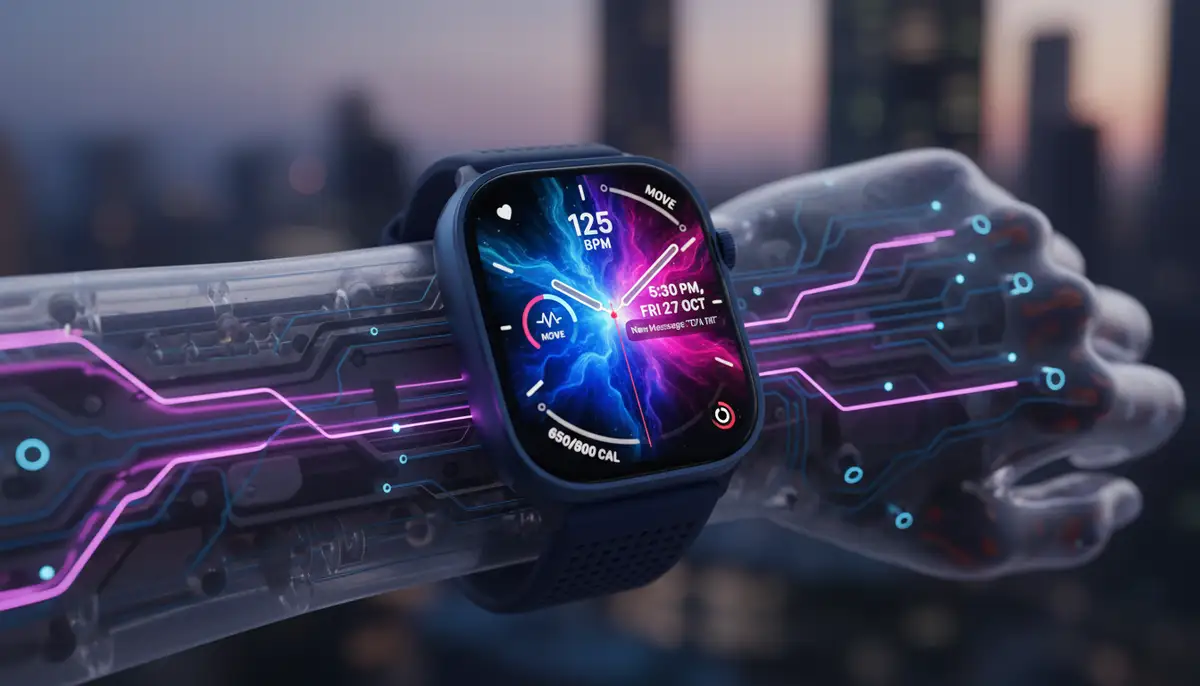
The Apple Watch has redefined what a wrist-worn device can do. It's more than just a watch; it's a powerful mini-computer on your wrist. In 2025, the latest Apple Watch models offer unparalleled integration with your digital life. They provide a seamless extension of your iPhone experience.
Key Features and Benefits of the Apple Watch
- Advanced Health Monitoring: Track heart rate, ECG, blood oxygen, sleep patterns, and even detect falls or car crashes.
- Fitness Tracking: Comprehensive workout tracking for almost any activity, with detailed metrics and personalized coaching.
- Smart Notifications: Receive calls, texts, emails, and app alerts directly on your wrist, keeping you connected without constantly checking your phone.
- Convenience and Productivity: Make payments with Apple Pay, control smart home devices, use Siri, and access a vast ecosystem of apps.
- Customization: Change watch faces, straps, and complications to match your style or daily needs. For those looking for the best faces for Apple Watch, there are countless options available.
- Safety Features: Emergency SOS, international roaming for calls, and advanced crash detection provide peace of mind.
The Apple Watch excels in utility and convenience. It streamlines many daily tasks. You can leave your phone in your pocket more often. This focus on objective metrics where mechanical watches fall short is something many users appreciate, as highlighted in discussions about modern versus traditional timekeeping on marco.org.
Who is the Apple Watch For?
The Apple Watch is ideal for tech enthusiasts, fitness buffs, and anyone deeply integrated into the Apple ecosystem. If you value convenience, data, and staying connected, an Apple Watch is a strong contender. It's a tool that actively enhances your digital lifestyle. This device is designed to be a constant companion, offering proactive health insights and immediate access to information.
The Timeless Art: Understanding the Mechanical Watch in 2025
In stark contrast to the Apple Watch, a mechanical watch is a testament to traditional craftsmanship. It operates without batteries or digital components. Instead, it relies on intricate gears, springs, and levers. These components work together in perfect harmony. It’s a piece of kinetic art on your wrist.
Key Characteristics and Appeal of Mechanical Watches
- Craftsmanship and Heritage: Each mechanical watch is a product of skilled artistry, often with a rich history and tradition behind its movement.
- Durability and Longevity: Built to last generations, many mechanical watches become heirlooms. They can be serviced and repaired indefinitely.
- No Charging Required: Powered by the motion of your wrist (automatic) or by manual winding, they never need a charger.
- Aesthetic Appeal: The intricate movements, often visible through a sapphire case back, and the classic designs are admired for their beauty and elegance.
- Exclusivity and Investment: High-end mechanical watches can appreciate in value. They are often produced in limited quantities.
- Simplicity and Focus: They offer a distraction-free experience. They simply tell time, encouraging a mindful approach to your day.
A mechanical watch offers a different kind of value. It's about appreciation for engineering and design. Many find joy in the smooth sweep of the second hand. This is a stark contrast to the digital readouts of a smartwatch. For those who enjoy the hands-on aspect of traditional timepieces, learning how to set an Armitron watch or a comprehensive guide on how to set Tissot watch can be a rewarding experience.
Who is the Mechanical Watch For?
Mechanical watches appeal to connoisseurs, collectors, and those who appreciate timeless design and traditional craftsmanship. If you seek a statement piece, a connection to history, or a break from digital overload, a mechanical watch might be your perfect match. It's a choice for individuals who value artistry and tangible quality. Some users even choose to switch from smartwatches, seeking a more focused lifestyle, as explored in a personal journey of switching from an Apple Watch to a mechanical timepiece on molodtsov.me.
Apple Watch vs Mechanical Watch: A Direct Comparison
Let's put them head-to-head. The differences between an Apple Watch vs mechanical watch are vast. They serve different purposes and appeal to different sensibilities. Understanding these distinctions is key to making your choice. We will break down several critical areas.
Functionality and Purpose
The Apple Watch is a multi-functional device. It tracks health, sends notifications, and provides quick access to information. Its primary purpose is to enhance your digital life and well-being. A mechanical watch, however, has a singular purpose: to tell time. Its value lies in its execution of this task. It also serves as a piece of jewelry or an engineering marvel.
Accuracy
Smartwatches are incredibly accurate. They synchronize with atomic clocks. Mechanical watches, by their nature, are less precise. Even a high-end mechanical watch might gain or lose a few seconds per day. This difference is a trade-off between technological perfection and mechanical artistry.
Durability and Longevity
A good mechanical watch can last for centuries with proper care. Its components are replaceable. Smartwatches, on the other hand, have a finite lifespan. Their batteries degrade, and their technology becomes obsolete. You will likely replace an Apple Watch every few years.
Maintenance and Power

Mechanical watches require periodic servicing, usually every 5-10 years. This ensures their intricate movements continue to function. They are powered by kinetic energy or manual winding. Apple Watches need daily or bi-daily charging. They also receive regular software updates. This keeps them current and secure.
Cost of Ownership
The initial cost of an Apple Watch can range from a few hundred to over a thousand dollars. However, you also factor in potential replacement costs every few years. Mechanical watches vary widely in price. They can be inexpensive or incredibly costly. Servicing costs are also a consideration for long-term ownership.
| Feature | Apple Watch | Mechanical Watch |
|---|---|---|
| Primary Purpose | Digital companion, health tracking | Timekeeping, aesthetic, craftsmanship |
| Power Source | Rechargeable battery (daily/bi-daily charge) | Kinetic energy (automatic) or manual winding |
| Accuracy | Extremely high (atomic clock sync) | Good (may gain/lose seconds per day) |
| Lifespan | Limited (tech obsolescence, battery degradation) | Centuries with proper service |
| Maintenance | Software updates, battery replacement | Periodic servicing (5-10 years) |
| Customization | Digital watch faces, straps | Straps, physical design variants |
| Notifications | Yes | No |
| Health Tracking | Extensive | None |
| Investment Value | Depreciates rapidly | Can appreciate (high-end models) |
Lifestyle and Philosophy: Beyond the Features
The choice between an Apple Watch vs mechanical watch often comes down to personal philosophy. It's about what you want your watch to represent. Do you want constant connectivity or a quiet moment of reflection? This is a core part of the decision.
The Digital Lifestyle: Always On, Always Connected
An Apple Watch supports a fast-paced, connected lifestyle. It keeps you informed and proactive. You can manage your day, monitor your health, and communicate effortlessly. It's a tool for efficiency and modern living. It encourages you to stay on top of everything. This constant connectivity can be a huge benefit for many professionals and active individuals.
The Analog Experience: A Return to Simplicity
A mechanical watch offers a retreat from the digital noise. It's a piece of history on your wrist. It connects you to the art of horology. Many find a sense of calm in its simple, elegant function. It reminds you to appreciate craftsmanship and the passage of time. This can be a refreshing change for those feeling overwhelmed by technology. You might even find value in watching
to understand this perspective better.The Emotional Connection
People often develop a strong emotional bond with their mechanical watches. They are passed down through generations. They mark significant life events. An Apple Watch, while incredibly useful, typically doesn't inspire the same sentimental attachment. It's a tool, not an heirloom. However, some still find deep personal value in the data and memories it records.
The Hybrid Approach: Having Both?
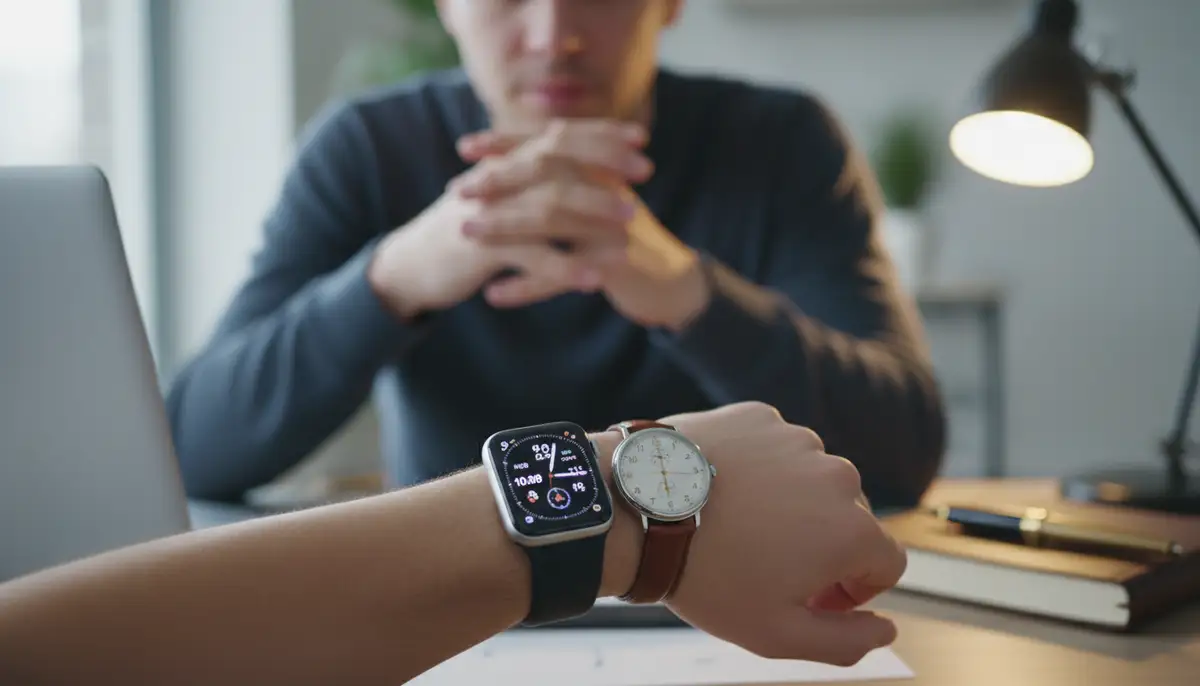
Do you really have to choose? Many people don't. They embrace a hybrid approach. They wear an Apple Watch for workouts and daily tasks. Then, they switch to a mechanical watch for special occasions or when they want to disconnect. This offers the best of both worlds. It allows you to enjoy both the utility of tech and the elegance of tradition. This approach avoids the direct conflict of an Apple Watch vs mechanical watch.
Consider your daily routine. An Apple Watch is perfect for the gym or a busy workday. A mechanical watch might be ideal for a relaxed weekend or a formal event. This flexibility allows you to optimize your wristwear for any situation. It acknowledges that different moments call for different tools.
Making Your Choice: Factors to Consider
When weighing an Apple Watch vs mechanical watch, ask yourself these questions. Your answers will guide you toward the right decision. Consider your priorities and daily habits.
- What is your primary need? (Connectivity, health tracking, style, heritage?)
- What is your budget? (Initial cost vs. long-term ownership)
- How important is accuracy to you?
- Do you mind daily charging or prefer a 'set it and forget it' approach?
- What kind of statement do you want your watch to make?
- Are you comfortable with technology evolving rapidly, or do you prefer enduring designs?
- Do you already own an iPhone and use other Apple services?
Your lifestyle dictates much of this choice. An active, tech-forward individual might lean towards the Apple Watch. Someone who appreciates history and craftsmanship might prefer a mechanical watch. There's no single right answer in the Apple Watch vs mechanical watch debate. It’s all about personal preference.
Customization and Personal Expression
Both types of watches offer ways to express your personality. With an Apple Watch, you have endless digital watch faces. You can also swap out straps easily. Companies like WatchMaker provide thousands of unique watch faces for Apple Watch and Wear OS devices. Other platforms like watchfacely.com, buddywatch.app, and amoledwatchfaces.com also offer a wide array of digital customization options. This allows for unparalleled personalization. You can change your watch's look daily.
Mechanical watches offer customization through strap changes and different case materials. However, their core aesthetic is usually fixed. The beauty lies in the unchanging design. The choice here reflects whether you prefer dynamic digital expression or enduring physical design. This is another facet of the Apple Watch vs mechanical watch discussion.
The Future of Timekeeping: Where Do We Go From Here?
The evolution of the Apple Watch continues at a rapid pace. We can expect more advanced health sensors and longer battery life. Integration with augmented reality and other emerging technologies is also on the horizon. The mechanical watch, however, remains largely unchanged in its fundamental operation. Its future lies in preserving its heritage. It focuses on refined craftsmanship and innovative materials. This contrast highlights the ongoing tension in the apple watch vs mechanical watch discussion.
Some predict a convergence, with smart features subtly integrated into traditional watch designs. Others believe the two will continue to serve distinct markets. The beauty is that consumers will have more choices than ever before. This diversity allows everyone to find their perfect timepiece. Community discussions on returning to traditional watches, such as those found on forums.macrumors.com, show a strong interest in both paths.
Conclusion: Your Wrist, Your Choice in the Apple Watch vs Mechanical Watch Debate
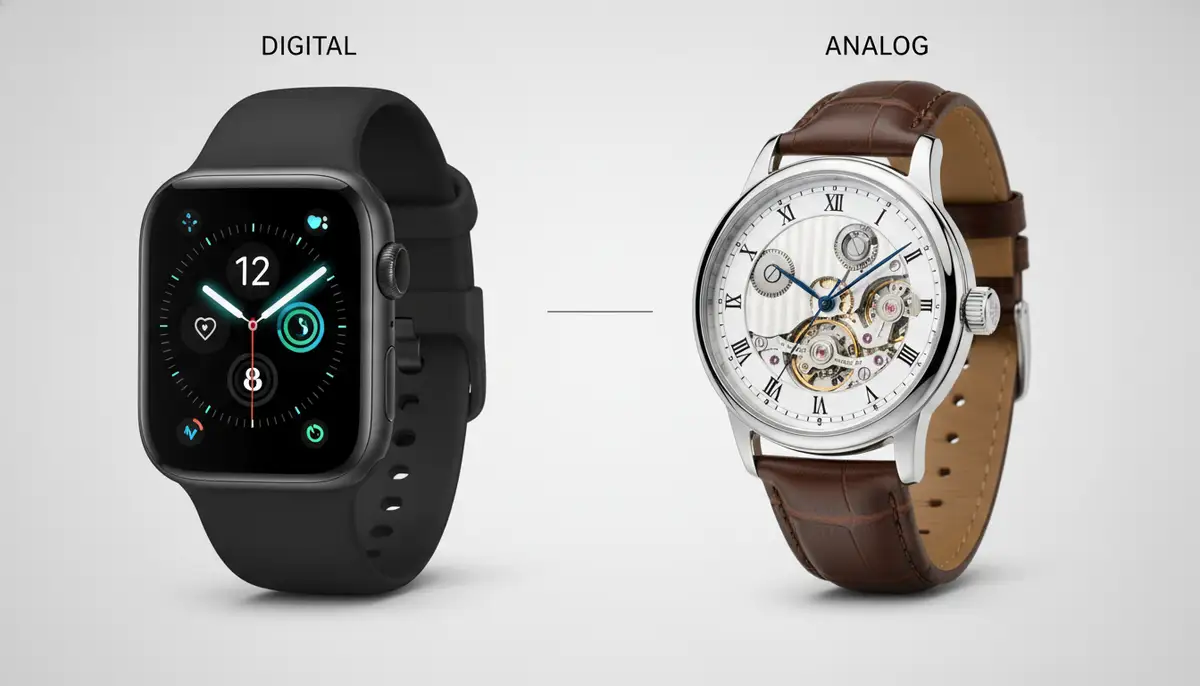
The debate between an Apple Watch vs mechanical watch isn't about one being inherently 'better.' It's about what suits your individual needs, values, and lifestyle. The Apple Watch offers unparalleled utility, connectivity, and health insights. It's a powerful tool for the modern world. The mechanical watch provides timeless elegance, a connection to craftsmanship, and a break from digital demands. It's a statement of appreciation for tradition.
Whether you choose the digital prowess of an Apple Watch or the enduring charm of a mechanical watch, your wristwear is a reflection of you. Consider what truly matters for your daily life in 2025. Perhaps, like many, you'll find joy in owning both. This allows you to select the perfect timepiece for every moment. The ultimate decision in the Apple Watch vs mechanical watch comparison rests solely with you. Choose wisely, and enjoy your chosen companion.
Related Posts

The Watch Face Mistake Almost Every New Garmin Owner Makes
There's a predictable arc to owning a new Garmin. Day one, you install a watch face that shows everything: heart rate, steps, battery, weather, two time zones,...

The Ultimate Apple Watch Strap Guide: Find Your Perfect Fit & Style in 2025
Introduction: Your Essential Apple Watch Strap Guide for 2025 Your Apple Watch is more than just a gadget. It's a personal statement, a fitness tracker, and a...